

India Gate
Last updated on October 19, 2026Why visit India Gate
India Gate works at two scales at once. From Kartavya Path it closes a long state axis with a 42-metre arch; beneath it, thousands of inscribed names turn that geometry into a record of military loss. Its changed relationship with Amar Jawan Jyoti and the nearby National War Memorial also shows how public commemoration has evolved since independence.
Visit if you:
- want to read New Delhi’s ceremonial plan at full urban scale
- are interested in how colonial and post-independence memorial traditions meet
- want to continue on foot to the separate National War Memorial
Skip it if you:
- expect a monument interior or exhibition—the experience is entirely outdoors
- want a secluded memorial setting rather than a heavily used public precinct
Quick facts
- Type: Monument, Historic Place
- Visitor access: Open to visitors
- Admission: Free
- Reservation: Not required — tickets on the door
- Built: 1921–1931
- Built for: Indian Army dead of the First World War and Third Anglo-Afghan War
- Designed by: Sir Edwin Lutyens
- Architectural style: Monumental triumphal arch
- Height: 42 m
- Inscribed names: 13,516
- Amar Jawan Jyoti: Flame transferred in 2022
Visit responsibly
Read the inscriptions without touching or marking the stone. Keep ceremonial approaches clear and follow temporary barriers without trying to cross closed lawns or roads.
Use bins and avoid picnic waste around the memorial. The lawns carry high public use and are part of the designed vista.
Keep photography restrained during wreath-laying or active commemoration. The space is a working memorial, not only an urban backdrop.
Where it is
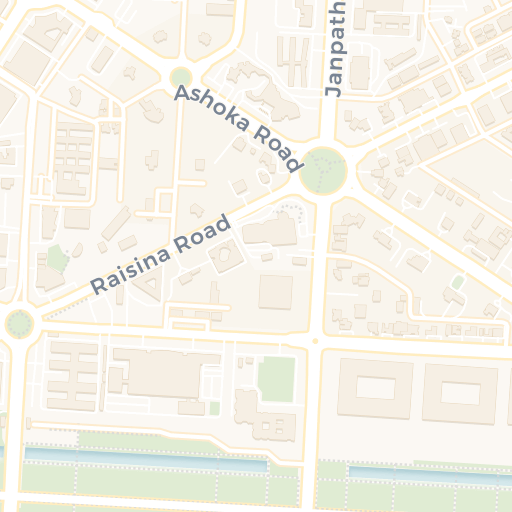
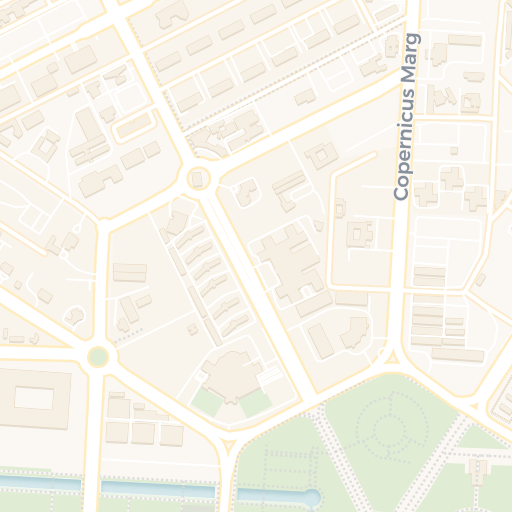
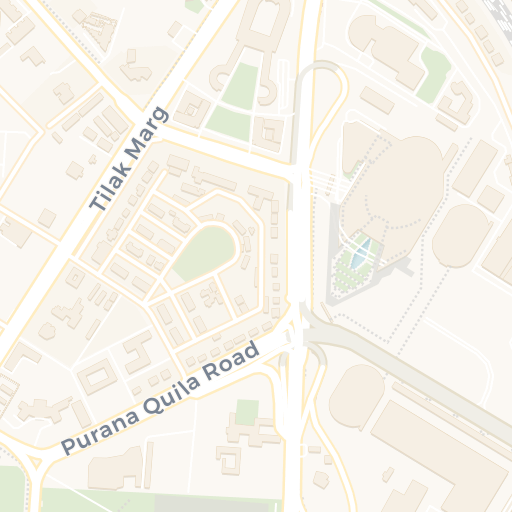
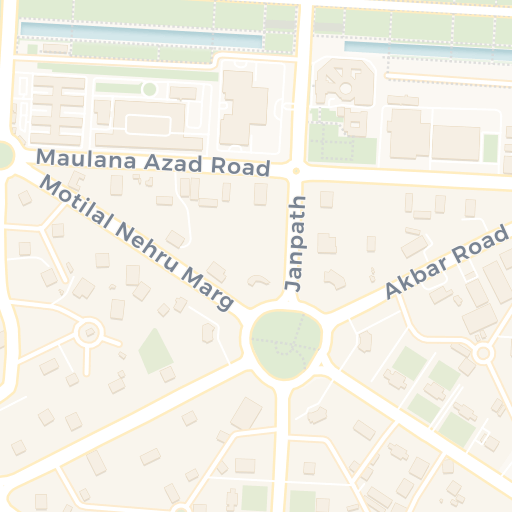
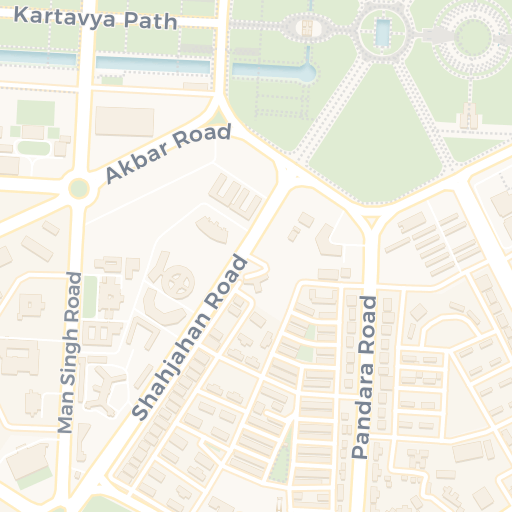
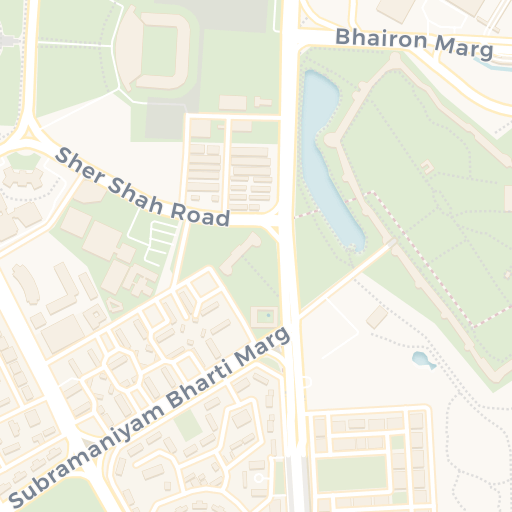
Get directions Open in Apple Maps
© OpenStreetMap contributors · © CARTO · 28.61293, 77.22949
Plan your visit
Admission: Free
Public exterior
India Gate is an open-air public memorial with no admission to view the exterior. There is no visitor interior inside the arch.
Access around the roads and lawns changes during rehearsals, Republic Day arrangements, state visits and other security operations. Check official Delhi traffic and event information if timing is important.
The National War Memorial is nearby but has its own entrances and rules. Treat it as a separate visit rather than assuming every approach to India Gate leads directly through it.
Verified against Delhi Tourism, October 2026.
When to visit
October through March is the easiest season for an outdoor visit. Delhi's long-term Safdarjung normals place the coolest conditions in winter. April through June becomes progressively hotter, while July through September brings most of the annual rain.
India Gate is fully outdoors in an open ceremonial landscape. In hot weather, start near opening and carry water where site rules allow it. Winter mornings can be cool or hazy; check current air-quality guidance if visibility or respiratory health will shape the visit.