

Papal Palace of Castel Gandolfo
Last updated on October 8, 2026Why visit Papal Palace of Castel Gandolfo
Castel Gandolfo is fifty-four hectares of papal property above Lake Albano, held by the Holy See rather than by Italy, where Italian police may not enter without permission. Two popes died in the house. Benedict XVI flew here the evening his papacy ended. The gardens sit on the site of a residence of the emperor Domitian, there is a working farm of 30.4 hectares, and the palace has just changed back from a museum into a summer residence -- which is why the Vatican Museums publish a calendar of closures as well as openings.
Visit if you:
- want the one papal residence outside Vatican City that can be walked through
- are interested in a 54.6-hectare extraterritorial enclave, taxes, expropriation and policing included
- like a building whose use is still being argued over -- museum since 2016, residence again from July 2026
- would take the train the popes used: a public service has run from Vatican City since 2015
Skip it if you:
- cannot check a calendar first. The palace closes when it is being used as a residence, and the dates are published
- expect to see the whole 54.6 hectares: the farm and much of the estate are not on a visitor route
- want to buy a ticket anywhere convenient. There is one official seller, and the Museums warn about look-alike domains charging more
Quick facts
- Type: Palace, Garden, Historic Place
- Local name: Palazzo Apostolico di Castel Gandolfo (vedi la pagina italiana)
- Visitor access: Partial access
- Architectural style: Baroque
- Size: 54.6 ha complex, 30.4 ha farmland
Visit responsibly
Castel Gandolfo is a residence that is sometimes a museum, not a museum that is sometimes closed. The palace was handed back to papal use from 5 July 2026 after a decade of public opening, and the Vatican Museums publish the closure dates because of it. Turning up on a residency date and expecting to be let in asks a household and a security operation to absorb the consequences of not having checked.
Buy from the right place. The Museums name tickets.museivaticani.va as the only official seller and warn that sites using similar domains may charge considerably more -- money that does not reach the institution and buys no guarantee of entry.
Respect what the boundary is. The estate is Italian soil owned by the Holy See with extraterritoriality comparable to a diplomatic mission's: exempt from Italian taxes and expropriation, and closed to Italian authorities without the Holy See's consent. During the Second World War that status was what let an unknown number of Jewish refugees shelter here under the protection of the Holy See, and what drew hundreds of people seeking refuge from the Allied raids of 1944 -- more than 500 of whom died in a single attack. The protection the line offered was real and it was not absolute.
Most of the 54.6 hectares is not a visitor attraction. The 30.4 hectares of farmland are a working farm whose produce goes on sale, and the observatory is a research facility. The parts sold as a visit -- the Palazzo Papale, the Giardino Segreto and the escorted tours of the Barberini Gardens -- are the parts to be in.
Where it is
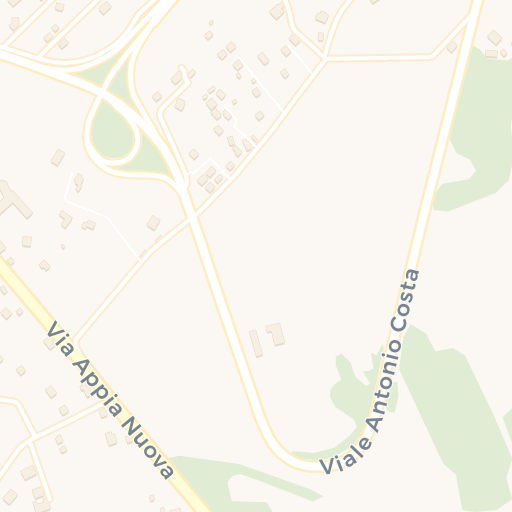
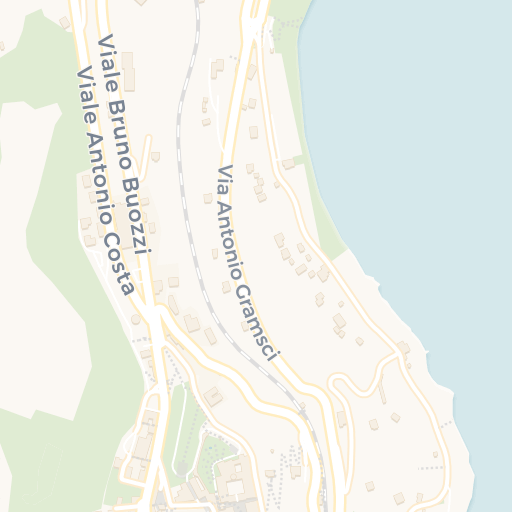

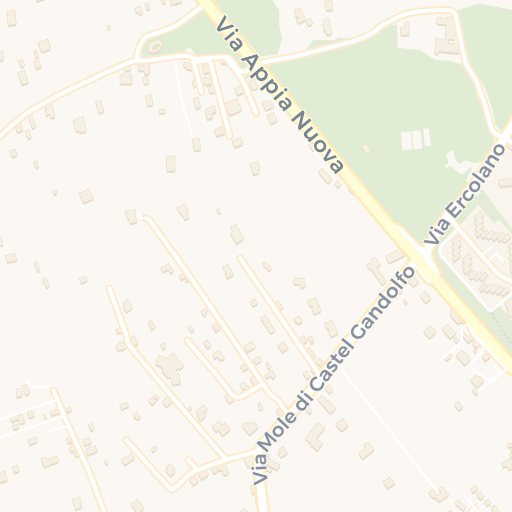
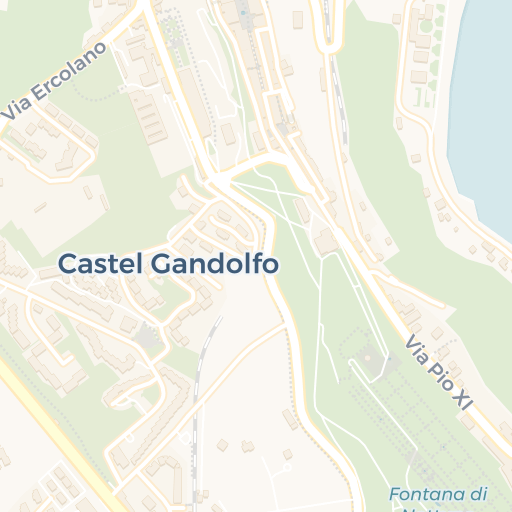
Get directions Open in Apple Maps
© OpenStreetMap contributors · © CARTO · 41.7471, 12.6503
Plan your visit
The Vatican Museums run this as the Polo Museale di Castel Gandolfo and sell it as a single visit: Palazzo Papale e Giardino Segreto di Castel Gandolfo, full admission 12 euros, with reductions published for different categories of visitor. The only official place to buy is tickets.museivaticani.va -- the Museums warn specifically about sites on look-alike domains that may charge considerably more. General information is on +39 06 69883145 or info.musei@scv.va.
Check the calendar first, and check it for closures rather than openings. The Vatican Museums publish a dedicated openings-and-closures calendar for the Palazzo Papale di Castel Gandolfo covering 2026-2027, and the reason it exists is that the palace is a working papal residence again. It served as a museum from 21 October 2016; from 5 July 2026 Leo XIV took up residence in the main building itself after minor renovations begun that May. So it is a residence for part of the year and a museum visit for the rest, and the calendar is where that line falls.
The Barberini Gardens, on the adjoining villa, have been open to paid visitors on escorted tours since March 2014, in the mornings every day but Sunday. Since 11 September 2015 the public has been able to reach Castel Gandolfo from Vatican City on a train formerly reserved for the pope. Farm produce from the estate, once available only to Vatican employees, has been on public sale since the end of 2015.
Two limits worth knowing. Most of the 54.6-hectare estate is not open -- 30.4 hectares are working farmland, and there is an observatory. And the gate is a legal boundary: this is Italian territory owned by the Holy See, exempt from Italian taxes and expropriation, which Italian authorities may not enter without the Holy See's consent.
Verified against Musei Vaticani, October 2026.
When to visit
At Castel Gandolfo, summer is the one season to think twice about, which inverts the usual advice. The palace is the pope's summer residence again: Leo XIV stayed from 5 July 2026, and the communiqué restoring the building's residential status in June 2025 had named 6 to 20 July and 15 to 17 August as his dates the previous year. When the pope is in, the museum is not. The Vatican Museums publish a 2026-2027 openings-and-closures calendar for exactly this reason, and it is the thing to consult rather than a general rule.
Outside those weeks, the site works in any season and the lake view is best in clear weather. The Barberini Gardens are toured in the mornings every day except Sunday, which fixes the hour if the gardens are the reason for coming. Spring and autumn are the comfortable months in the Colli Albani; the gardens are the point, and they are at their best when something is in flower rather than when the hill is at its hottest.