

Sanctuary of Fortuna Primigenia
Last updated on October 8, 2026Why visit Sanctuary of Fortuna Primigenia
Six terraces climbing a hillside on masonry substructures, linked by monumental staircases, with a theatre set into them and a round temple on top. The sanctuary of Fortuna Primigenia at Palestrina was probably by far the largest Roman sanctuary, and it was visible from much of Latium, from Rome, and from the sea -- which was the point. People came to consult an oracle worked by drawing lots, described by Cicero, and the goddess here was shown suckling two infants said to be Jupiter and Juno. The oracle ran until Emperor Constantine banned it, and Theodosius shut the temple.
Visit if you:
- want to see what Roman concrete made possible -- this is the technique being used to reshape a hill
- are interested in the point where Hellenistic architecture became Roman
- like oracles, and the physical apparatus of one
- care about how a building can be designed to be read from thirty kilometres away
Skip it if you:
- cannot manage a steep ascent: the whole structure is a stack of terraces joined by grand staircases, and there is no other way through it
- expect the temple itself -- the small round temple at the top was absorbed into the Palazzo Colonna Barberini, which is now the museum
- want certainty about opening hours: no operator page could be read when this was written
Quick facts
- Type: Roman, Ruins, Temple
- Local name: Santuario della Fortuna Primigenia (vedi la pagina italiana)
- Visitor access: Open to visitors
- Architectural style: Roman Republican, Hellenistic-influenced
Visit responsibly
What survives of the sanctuary of Fortuna Primigenia is substructure and surface: the mosaic floor of the cryptoporticus is only partially preserved, and it is scutulatum, irregular tesserae set among chips of coloured stone, which comes apart underfoot rather than wearing smoothly. The traces of the piping that fed the waterfall niches are exactly that -- traces.
The terraces are load-bearing archaeology. Six levels of masonry substructure have been holding a hillside up for two thousand years and were converted, patched and bricked up repeatedly along the way; the fifteenth-century cistern conversion of the cryptoporticus is still structural. Climbing on walls here is climbing on the building.
This was an oracle site for the best part of six centuries, closed by imperial decree rather than abandoned. The well in front of the eastern exedra may be the one Cicero describes, where the sortes were found.
Palestrina is a working town that happens to be built over and into the largest Roman sanctuary in Italy, and most visitors come up, climb and leave. The lower terraces run right down to the town, so the two are not separable in any case.
Where it is
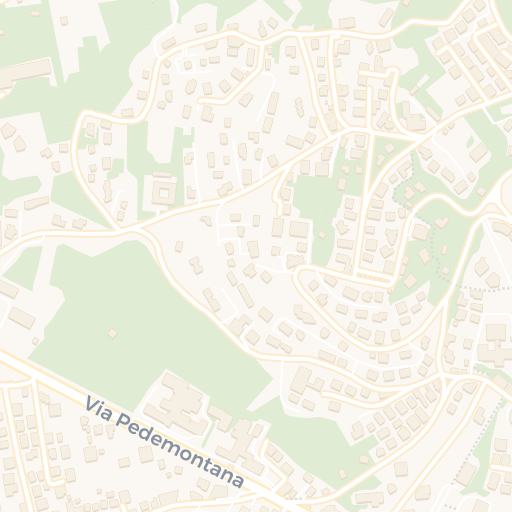
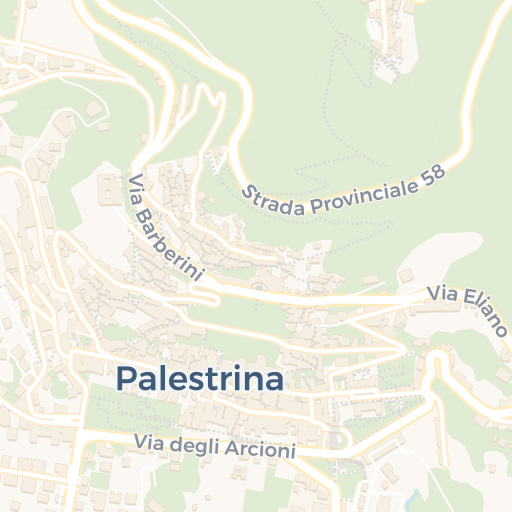
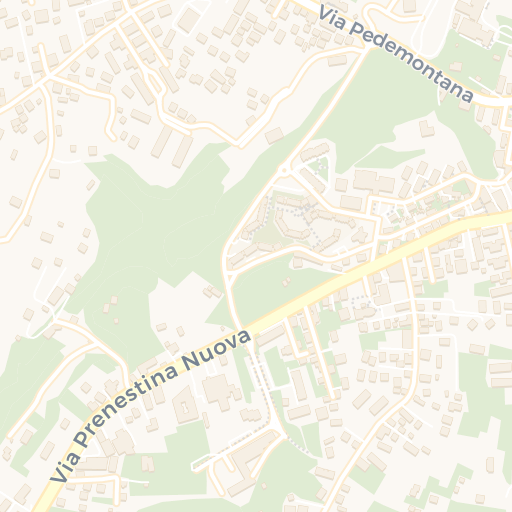
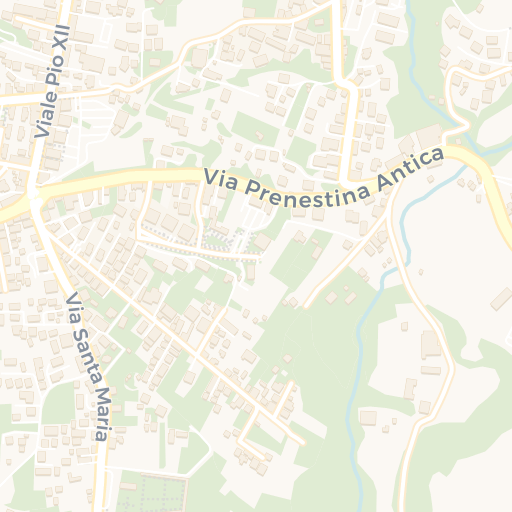
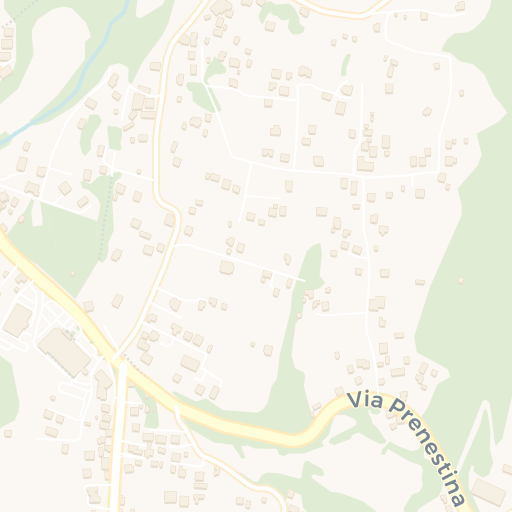
Get directions Open in Apple Maps
© OpenStreetMap contributors · © CARTO · 41.8404, 12.8925
Plan your visit
The sanctuary occupies six terraces climbing the hillside of Palestrina, 35 km east of Rome, and the round temple that crowned it is inside the Palazzo Colonna Barberini at the top, which houses the Museo Archeologico Nazionale. Sanctuary and museum are therefore one ascent, not two destinations: start at the two lowest terraces just south of the via del Borgo, where the town's forum area met the complex, and climb.
Budget for the climb rather than for a queue. Six terraces are joined by grand staircases with the theatre's cavea built into the sequence, there is no level circuit anywhere in the complex, and the south-facing stone terraces carry almost no shade. Wear shoes for stone steps.
Phone before you go. The Comune di Palestrina's own register of the "Museo archeologico nazionale di Palestrina e Santuario della Fortuna Primigenia" advises contacting the institution directly for opening hours and for any information about access for visitors with particular needs, and points to the Ministry of Culture's page for the public timetable, which it describes as a calendar under constant revision. The published contacts are +39 06 9538100 and drm-laz@beniculturali.it -- the Direzione Regionale Musei Lazio, which runs the site. The comune last updated that entry on 18 February 2025.
Inside the museum the collection runs over three floors. A 1:50 reconstructive model of the sanctuary stands at the entrance, which is the single most useful thing to look at before walking the terraces. The first floor holds works connected with the cult of Fortuna, among them the colossal Iside-Fortuna statue, Hellenistic sculpture and Roman copies of Greek originals, and the Grimani relief of the Augustan age -- possibly by the sculptors who worked on the Ara Pacis. The route finishes on the ground floor in the cryptoporticus, the vaulted gallery running beneath the steps of the sanctuary's cavea, built in opus incertum and originally stuccoed, now holding sculpture and inscriptions from the city and its territory. The Nile Mosaic, an Alexandrian work of the late second century BC showing the Egyptian landscape during a flood, is here too.
Verified against Comune di Palestrina, October 2026.
When to visit
April to June and September to October are the months for Palestrina. The sanctuary of Fortuna Primigenia is a south-facing hillside of stone terraces with almost no shade, and the visit is a sustained climb, which makes July and August genuinely punishing in the middle of the day. Early morning and late afternoon are also what the architecture wants: raking light picks out the substructures, the Ionic half-columns on the arcade and the projecting niches, all of which flatten under overhead sun. Winter is clear and quiet, and the long views the sanctuary was designed for -- across Latium towards Rome and the sea -- are at their best when the summer haze has gone. Palestrina is 35 km from Rome and sees few enough visitors that crowding is not a factor in any season.