

Museum of the Ara Pacis
Last updated on September 29, 2026Why visit Museum of the Ara Pacis
The draw
The Ara Pacis Augustae is an altar commissioned by the Roman Senate in 13 BC and consecrated in 9 BC, carved with a state procession in which Augustus, Agrippa, Livia, Tiberius and Julia can still be picked out — the best-preserved piece of Augustan state sculpture anywhere. It stands inside Richard Meier's 2006 glass and steel pavilion, built on the footprint of the Fascist-era shelter it replaced and one of the most argued-about buildings in Italy: a New York Times critic called it absurdly over-scale, and a mayor of Rome once promised to demolish it.
The problem when visiting
It is one object in one room, and it rewards reading rather than looking. The friezes are a political argument in marble and a visitor who does not know who is in them sees a queue of draped figures. The other half of the problem is what you are actually looking at: a great deal of the monument is a 1938 reconstruction, with the missing portions designed by an artist to a deadline. And the ticketing is fiddly — the museum is €14.00, but whatever exhibition is running is sold separately and in combination, so it is easy to buy the wrong thing at the desk.
The tactic
Decide before the desk whether you want the altar, the exhibition, or both — the museum ticket alone is €14.00 and admits you to the Ara Pacis, while an exhibition-only ticket does not. Give it an hour, start with the south wall where Meier's glazing puts daylight across the frieze, and read the friezes knowing the monument was set down turned 90 degrees from its original bearing. Pair it with Piazza del Popolo five minutes north rather than with anything across the river.
Skip it if you:
- Have one day in Rome. This is a single monument in a museum, and the Forum, the Pantheon and the Colosseum all come first.
- Dislike reading in museums. Without the identifications the friezes are handsome and mute.
- Came for the building rather than the altar. Meier's pavilion reads almost entirely from the outside, and the outside is free.
- Are here on 1 May or 25 December. Closed both days.
Quick Facts
- Type: Museum, Monument, Historic Place
- Local name: Museo dell’Ara Pacis (vedi la pagina italiana)
- Admission: €13–€23
- Reservation: Not required — tickets on the door
- Typical visit: About 1 hour
- Built: Commissioned <span class="timeline-date">4 July 13 B.C.</span>, consecrated 30 January 9 B.C.
- Built by: The Roman Senate, for Augustus
- Built for: An altar to the Pax Romana
- Designed by: Richard Meier (the 2006 museum building)
- Architectural style: Augustan Roman; modern pavilion
- Two exact dates: Commissioned by the Senate on 4 July 13 B.C., consecrated on 30 January 9 B.C. — both days are recorded.
- It is turned 90 degrees: Reassembled here in 1938 rotated counterclockwise, so the original western side now faces south.
Visit Responsibly
The building is a shelter before it is a museum. The Ara Pacis spent centuries buried and then decades under a purpose-built cover, and Meier's pavilion is the second structure raised over it for the same reason. Do not touch the monument, and do not lean on the barriers — the distances are set for the stone rather than for the sightline.
No flash. Light is a cumulative dose on carved surfaces that have already lost a great deal of their original finish.
Buy the right ticket rather than the biggest one. The museum alone is €14.00 and is all you need for the altar; the combined museum-and-exhibition ticket was €23.00 during the 2026 show, and the desk will sell you whichever you ask for. Deciding in advance is the whole of the advice.
If you live in Rome, use the free entry. This is a municipal museum and the exemption exists so that it is a local one — though note it covers the museum and not the exhibition space. It also spreads visits away from the exhibition peaks the building handles least well.
Where it is
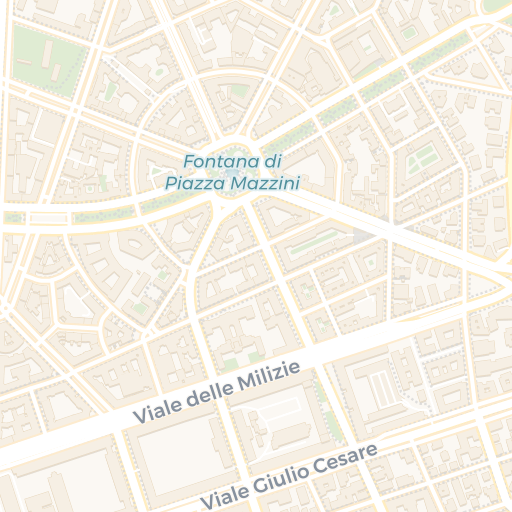
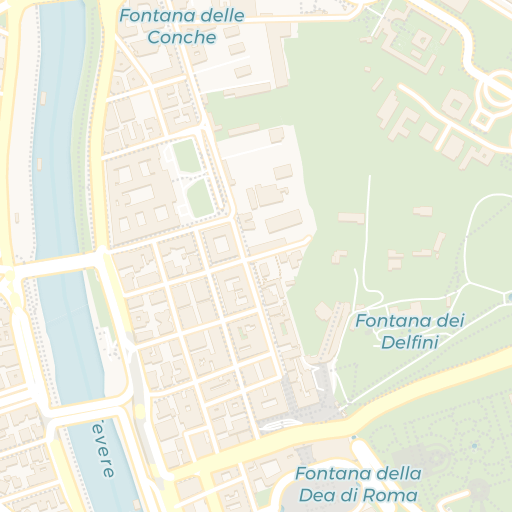
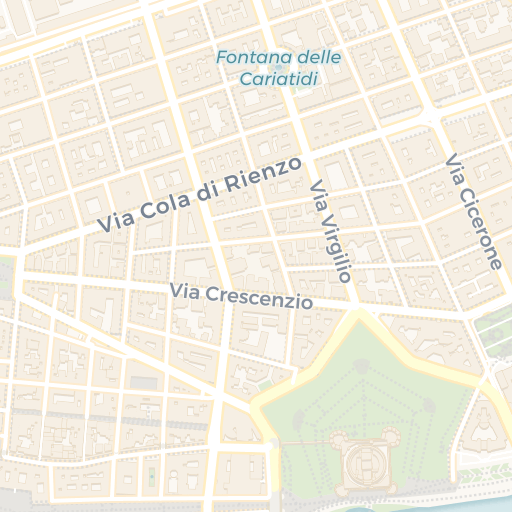
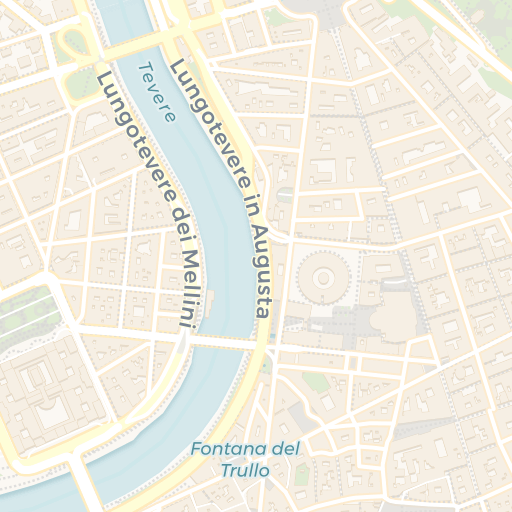
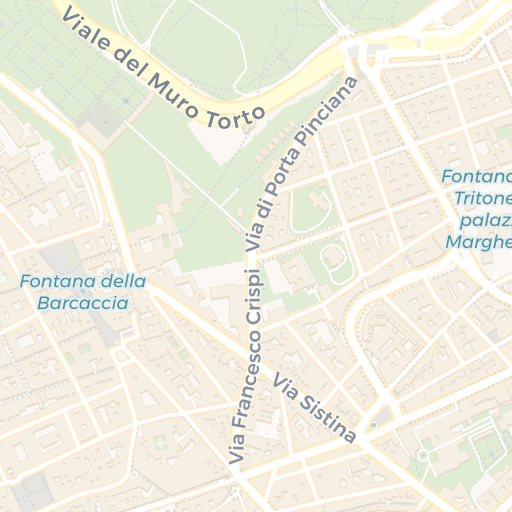
Get directions Open in Apple Maps
© OpenStreetMap contributors · © CARTO · 41.90639, 12.47556
Plan Your Visit
Admission: €13–€23 · The exhibition and the museum are priced separately and as a combination: during the Mapplethorpe exhibition (29 May–10 Oct 2026) the exhibition alone was €15 full and €13 reduced, and the combined museum-plus-exhibition ticket €23 full and €17 reduced. A €1 advance-purchase fee applies to anything bought ahead; same-day at the ticket office has none. Free for residents of Rome and the metropolitan city and for MIC cardholders.
Prices verified September 2026
Best viewpoint: The south wall from inside the pavilion, where Meier's glazing puts daylight across the processional frieze.
Hours and address
The museum is on Lungotevere in Augusta and is open every day, 9.30 to 19.30, with last admission one hour before closing. It closes early on 24 and 31 December (9.30 to 14.00) and opens 11.00 to 20.00 on 1 January. It is closed on 1 May and 25 December. The municipal call centre is +39 060608, daily 9.00 to 19.00.
The museum ticket, and then the exhibition question
To see the altar you need the museum ticket, and that is €14.00 full or €8.50 reduced. Same-day at the ticket office, cash or card, there is no booking fee. That is the figure to plan on, and it is the one most write-ups omit.
The complication is that this museum also runs temporary exhibitions in a separate exhibition space, sold separately from and in combination with the museum — so there are three prices on the board, not one, and it is easy to buy the wrong thing. While the Robert Mapplethorpe exhibition was running (29 May to 10 October 2026) the exhibition alone was €15.00 full and €13.00 reduced, and museum plus exhibition was €23.00 full and €17.00 reduced. Those rates expire with that show; the €14.00 museum ticket does not. An exhibition-only ticket does not admit you to the Ara Pacis, which is the single most expensive mistake available at this desk.
Buying ahead costs €1 more. Online pre-sale, the 060608 call centre and counter purchase for a later day all carry a €1.00 advance-purchase fee, and those advance tickets are neither refundable nor changeable. Same-day at the ticket office has no fee.
Ticket & Pass Decision Matrix
| Option | Cost | What it gets you | Queue and booking | Verdict |
|---|---|---|---|---|
| Museum only | €14.00 full / €8.50 reduced | The altar and the permanent museum | Same day at the desk, no fee; ahead, +€1 | The default, and what you want if the Ara Pacis is why you came. |
| Museum + exhibition | €23.00 full / €17.00 reduced during the 2026 Mapplethorpe show | The altar and the temporary show | Same rules | Worth it only if the exhibition interests you in its own right. Rates change with each show. |
| Exhibition only | €15.00 full / €13.00 reduced during the same show | The temporary show, not the altar | Same rules | Read the label. This ticket does not include the Ara Pacis. |
| Rome residents and MIC cardholders | Free — but not for the exhibition space | Museum admission only | Bring proof of residence; the difference is payable at the desk if the requirement is not met | The reason this is a museum Romans actually use. The exhibition still costs. |
| Families and schools (exhibition) | €22 two adults + under-18s; €11 one adult + under-18s; €4 per pupil | Exhibition entry | Bookable only via 060608 and at the Ara Pacis Exhibition Space ticket office, Via Ripetta 1800; one teacher free per 10 pupils | A genuinely good family rate, and invisible unless you ask. |
| Groups | Standard tariff; guided tour €90.00 on top | Identical access, with a guide | 11 to 25 people plus the guide, free booking on 060608, at least 5 tickets bought in advance | The cap is firm. The hall is one room and it fills. |
| The free view | €0 | Meier's pavilion from outside, and the Mausoleum of Augustus beside it | None; open street | If the building is what drew you, it reads fully from the Lungotevere. |
Two turnstile rules. First, tickets entitling the holder to reduced or free admission must be shown at the entrance, and if the requirements are not met the difference is payable at the ticket office. Second, the residents' and MIC exemptions stop at the exhibition space — free entry to the museum is not free entry to the show.
Guides
A video guide to the permanent museum is €6.00 and an audioguide €4.00, both in Italian, English, French, German and Spanish, bought at the ticket office. There is a museum app for iOS and Android. For a group, a kit of 25 radio guides with a transmitter is €18.00 — it cannot be reserved, and availability is only knowable on site on the day.
What is free
The building reads from the street. Meier's pavilion is visible in full from the Lungotevere and from Piazza Augusto Imperatore, and the Mausoleum of Augustus stands beside it in the open. If the architecture is what brought you, none of it needs a ticket.
Inside, admission is free for residents of Rome and the metropolitan city and for MIC cardholders, on production of proof — the museum, not the exhibition space.
On the ground
One level, step-free, and small. An hour is enough, and the building is air-conditioned — which makes it one of the better uses of a hot afternoon in the centre.
Verified against Museo dell’Ara Pacis, September 2026.
When to Visit
Late morning, for the light. Meier's glazing is the point of the building, and the south wall reads best when daylight is full rather than raking.
It is a good hot-afternoon option. Indoors, air-conditioned, small and step-free, five minutes from Piazza del Popolo — one of the few central sites that improves in August rather than suffering.
Check what exhibition is running before fixing a date. It sets the price, and here it also changes what you are actually buying.
Closed 1 May and 25 December, with short days on 24 and 31 December.