

Arch of Constantine
Last updated on October 5, 2026Why visit Arch of Constantine
The draw
It is the largest triumphal arch still standing in Rome, and it is free, outdoors and permanently visible — the one major Roman monument here that asks nothing of you at all.
And it is a museum of earlier sculpture disguised as a single building. The reliefs come from monuments of Trajan, Hadrian and Marcus Aurelius; Turismo Roma calls the result a precious synthesis of more than two centuries of official Roman art. You are looking at the second century and the fourth at the same time, on one facade.
The single best fact about it is visible once you know it. Every emperor's face in the reused reliefs was recarved to resemble Constantine, with a nimbus added for imperial majesty.
The friction
- You cannot go under it or inside it. It is enclosed by railings and has no interior.
- Everything that matters is above head height. The roundels and the attic panels are the point, and they are a long way up.
- It sits in one of the most crowded spots in Rome. The ground between the Colosseum and the Palatine is rarely quiet.
The tactic
Bring something to see with. Binoculars or a zoom lens change this monument completely — the roundels, the recut heads and the German-war panels are unreadable from the pavement with the naked eye.
Come in the afternoon and stand on the Colosseum side. Raking light separates the eight Dacians from the inscription behind them and gives the spandrel river gods their shadow.
Do it on the way to or from the Colosseum, not as a trip. Twenty minutes is honest, and it is thirty seconds' walk from a ticket queue you are probably joining anyway.
Find the Meta Sudans before you leave. The low circular footprint in the open ground beside the arch is a Flavian-age monumental fountain, and knowing what it is makes the whole clearing legible.
Skip it if you:
- Expect to go inside something. There is nothing to enter.
- Cannot see detail at height. Without optics most of the carving simply will not resolve.
- Are collecting ticketed sights. This one is free and will not feel like an event.
Quick facts
- Type: Monument, Ruins, Historic Place, Roman
- Local name: Arco di Costantino (vedi la pagina italiana)
- Built: Erected <time datetime="0315">315</time>, for a victory won <time datetime="0312-10-28">28 October 312</time>
- Built by: Commissioned by the Roman Senate
- Built for: Constantine's victory over Maxentius at the Milvian Bridge
- Architectural style: Late Roman, assembled largely from reused imperial sculpture
- Every emperor on it wears Constantine's face: The reliefs were taken from monuments of Trajan, Hadrian and Marcus Aurelius, and the earlier emperors were recarved to resemble him.
- The two authorities disagree on its height: Turismo Roma says about 25 metres. Wikipedia gives 21 metres high and 25.9 wide. We report both rather than pick.
Visit responsibly
It is railed off for a reason. The monument is enclosed and viewed from outside; the barrier is what keeps a free, unstaffed, permanently open Roman structure intact in the middle of a crowd.
Much of the surface is older than the arch and has been moved once already. The reliefs were taken from monuments of Trajan, Hadrian and Marcus Aurelius; the Dacians came from the Forum of Trajan. These are twice-relocated objects in open air.
Some of what looks Roman is eighteenth-century. The 1733 restoration made extensive integrations of the missing parts, so the monument is also a record of how earlier centuries chose to repair it — worth respecting rather than mentally subtracting.
The open ground beside it is an archaeological surface, not a verge. The Meta Sudans survives only as a footprint there, and it survived the 1930s demolition only as that.
Stand clear of the Colosseum flow. The pavement here carries one of the densest pedestrian streams in Rome; the arch is best looked at from the edges of it rather than the middle.
Where it is
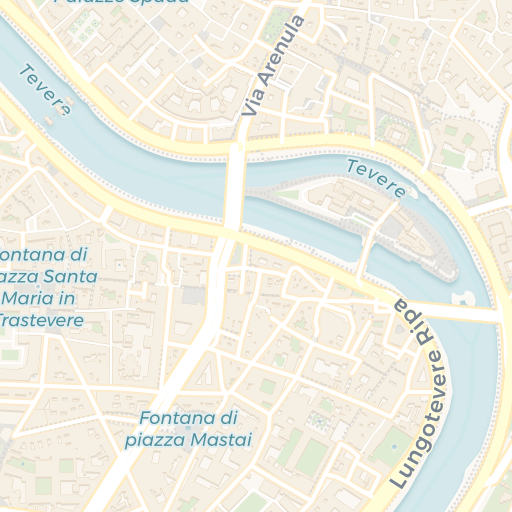
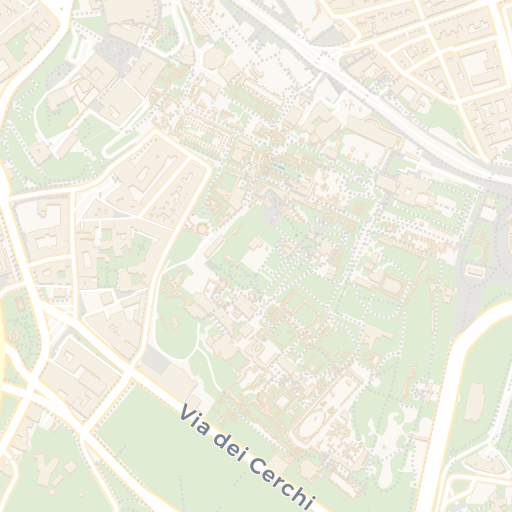
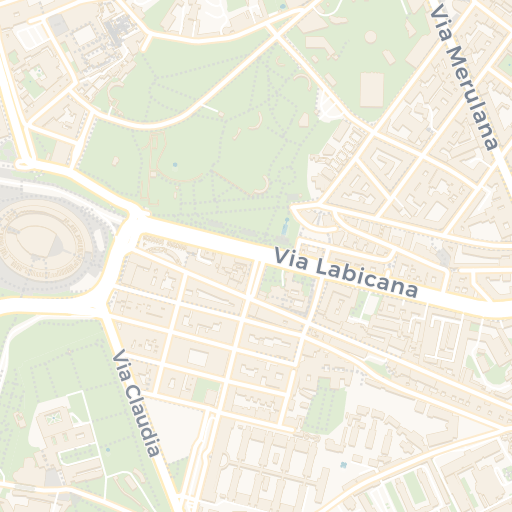
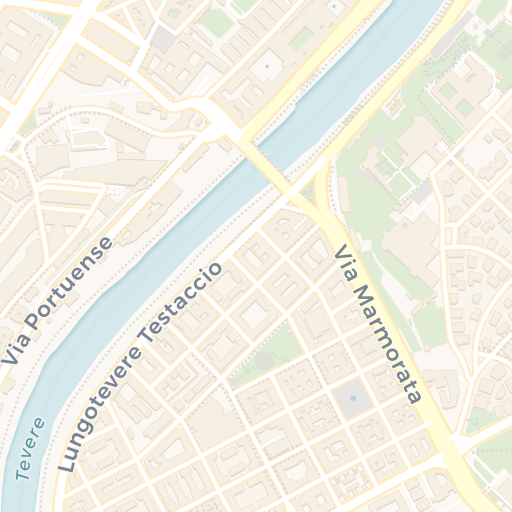
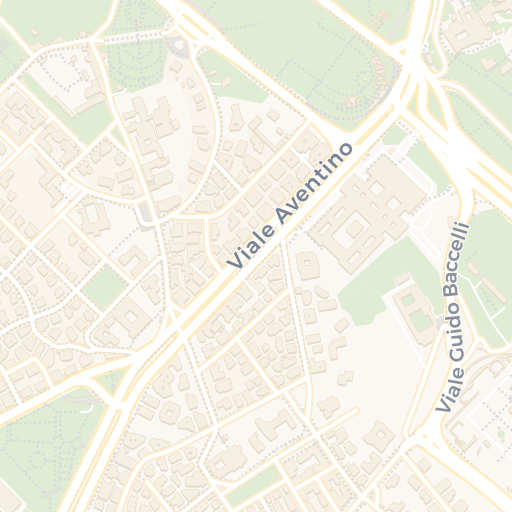
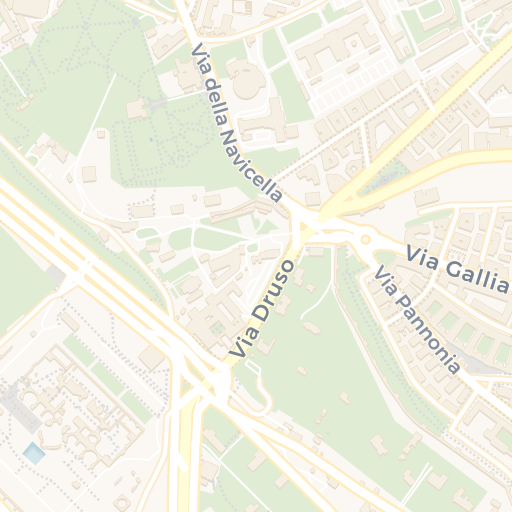
Get directions Open in Apple Maps
© OpenStreetMap contributors · © CARTO · 41.8898, 12.4906
Plan your visit
It is free, and there is nothing to book
The arch stands in the open between the Colosseum and the Palatine. There is no ticket, no interior and no reservation: you look at it from the surrounding pavement, at any hour, in any season.
What that means in practice
- It is enclosed by railings, so it is seen from a few metres away rather than walked under.
- Everything worth seeing is high up. The roundels and attic panels need optics to read properly.
- Allow about twenty minutes, and treat it as part of a Colosseum visit rather than a separate trip.
Ticket & Pass Decision Matrix
| Option | Cost | What it gets you | Booking | Verdict |
|---|---|---|---|---|
| Walking up to it | Free | All four faces of the arch, from the pavement | None | This is the visit. Nothing is gated. |
| Bringing binoculars or a zoom | Free | The roundels, the recut heads, the German-war panels | None | The single biggest improvement available here, and it costs nothing. |
| Combining with the Colosseum | Colosseum ticket | The arch sits thirty seconds from the entrance | Colosseum booking applies | The sensible way to see it. It is on the way regardless. |
| A guided tour that includes it | Varies | Interpretation of the spolia and the recarving | Operator's own | Worth it only if the recarving interests you — it is the one thing a guide genuinely adds here. |
What this page does not state
A single height. Turismo Roma gives about 25 metres; Wikipedia gives 21 metres high and 25.9 wide. The likeliest reading is that the city has quoted the width, but that is inference, so both figures are attributed and neither is presented as the fact.
Verified against Turismo Roma, October 2026.
When to visit
Any hour of any day. It is outdoors, unticketed and permanently visible, which makes it one of the few things in Rome with no timetable to plan around at all.
Afternoon, for the carving. Raking light across the attic separates the eight Dacians from the inscription and gives the spandrel river gods their shadow. Flat midday light collapses the relief.
Early morning, for the ground. The arch shares its space with the Colosseum's queues; before they build, the clearing around it — and the Meta Sudans footprint — is actually walkable.
Winter is better than it sounds. Low sun all day is exactly what this monument wants, and the crowds between the Colosseum and the Palatine are at their thinnest.
It is unaffected by the closures that govern everything else nearby. No Monday, no last Sunday, no seasonal timetable — when the Forum and the Palatine are shut, this is still there.