

Baths of Diocletian (Museo Nazionale Romano)
Last updated on October 5, 2026Why visit Baths of Diocletian (Museo Nazionale Romano)
The draw
This is the biggest building the Roman empire put up for ordinary bathing, and it is still standing in the street. The largest baths in Rome, 13 hectares, room for 3,000 people, inaugurated between 305 and 306 AD — and in antiquity the complex ran across the whole block between today's via Torino, via Volturno, piazza dei Cinquecento and via XX Settembre.
The bath halls did not disappear, they were converted. The main axis of calidarium, tepidarium and frigidarium is recognisable today in the Basilica of Santa Maria degli Angeli; one of the two circular halls beside the great exedra became the church of San Bernardo alle Terme; the octagonal hall at the western corner, on via Parigi, now houses the Museo dell'Arte Salvata.
And the collection is a specialist pleasure. This is the Roman antiquities section of the Museo Nazionale Romano, which Turismo Roma calls the most important archaeological collection in the world; here it is above all epigraphy — the birth and spread of Latin writing, told through funerary stelae of the late republic and early empire and altars of the first two centuries of the empire.
The friction
- Closed on Mondays, with last entry at 18.00.
- No opening time is published. Turismo Roma gives the last entry and the closing day, and tells visitors to check the official site.
- No price is published either.
- The ticket does not cover the whole complex. Santa Maria degli Angeli, San Bernardo alle Terme and the Museo dell'Arte Salvata are separate places with separate doors.
- It is inscriptions, not statues. Anyone expecting Palazzo Massimo's sculpture gallery is in the wrong branch.
The tactic
Walk the baths before you buy anything. Stand in piazza della Repubblica, go into Santa Maria degli Angeli — that is the frigidarium axis — then look at San Bernardo alle Terme and the octagonal hall on via Parigi. The ancient plan reads from the street for nothing.
Then come in for the writing. The epigraphic section is the reason this branch exists, and the garden towards piazza dei Cinquecento, the entrance since the museum's origins, is where the funerary stelae, altars, sarcophagi and funerary statues are.
Read the display by topography. The finds, mostly from chance discoveries across the urban area and the suburbs, are laid out on the conventional topographic criterion — inside the Servian walls, the consular roads, the Tiber — so the arrangement is a map of the city, not a chronology.
Pair it with Palazzo Massimo, two minutes away. Same museum, same ticketing portal, opposite experience: sculpture and painting there, inscriptions and architecture here.
Skip it if you:
- Have one afternoon and have not seen Palazzo Massimo. Go there first.
- Came for mosaics and statues. This branch is epigraphic.
- Are travelling on a Monday. It is closed.
Quick facts
- Type: Ruins, Museum, Roman, Historic Place
- Local name: Terme di Diocleziano (Museo Nazionale Romano) (vedi la pagina italiana)
- Built: Inaugurated between <time datetime="0305">305</time> and <span class="timeline-date">306 AD</span>; museum since <time datetime="1889">1889</time>
- Built by: Willed by the emperor Maximian
- Built for: The largest baths in Rome, dedicated to Diocletian, with whom Maximian shared command of the empire
- Architectural style: Imperial Roman thermae — calidarium, tepidarium and frigidarium on a central axis, with exedrae, circular halls and an octagonal hall
- Thirteen hectares, three thousand bathers: The largest baths in Rome covered a full 13 hectares and could hold up to 3,000 people.
- A war turned off the water: The baths worked until the middle of the 6th century, when the Gothic War damaged the city and cut the water supply.
Visit responsibly
Almost everything on display was somebody's grave marker. The garden and the galleries hold epigraphic material, mostly of funerary character, with funerary stelae, altars, sarcophagi and funerary statues. These are not architectural fragments; they are inscriptions people paid for to be remembered by.
Much of it came out of the ground by accident. The finds are mostly from chance discoveries in various places across the urban area and the suburbs — which is to say, from building sites. What is in the museum is what someone chose to save.
The bath walls are load-bearing ruins in a working city. Brick and mortar two thousand years old carries vegetation and weathering; it is not scaffolding to climb or lean on.
Respect the two churches as churches. Santa Maria degli Angeli and San Bernardo alle Terme are places of worship that happen to be Roman bath halls, not annexes of the museum.
Use the official channels for anything uncertain. The city itself points visitors to museonazionaleromano.beniculturali.it for updates and visiting arrangements, and publishes a phone number and email rather than hours — follow that, instead of trusting a second-hand timetable.
Where it is
Get directions Open in Apple Maps
© OpenStreetMap contributors · © CARTO · 41.9031, 12.5002
Plan your visit
Closed Mondays, last entry 18.00 — and no opening time is published
Turismo Roma gives exactly two operating facts for this branch: last entry at 18.00 and closed on Monday. It publishes no opening time, and tells visitors to consult the official site for updates and visiting arrangements: museonazionaleromano.beniculturali.it/it/163/terme-di-diocleziano.
No price appears either
The city page carries a ticketing link on portale.museiitaliani.it and no amount, so no figure is quoted here. Phone 06 684851; email mn-rm@cultura.gov.it.
The ticket is not the complex
Much of the bath building is outside the museum, behind other doors and free: the main bathing axis is the Basilica of Santa Maria degli Angeli, one circular hall is the church of San Bernardo alle Terme, and the octagonal hall on via Parigi is the Museo dell'Arte Salvata. Budget time for the walk, not just the gallery.
What you get inside
The Roman antiquities section of the Museo Nazionale Romano, which Turismo Roma describes as the most important archaeological collection in the world across its four sites. Here that means epigraphy and architecture: finds from chance discoveries across the urban area and the suburbs, arranged on the conventional topographic criterion — inside the Servian walls, the consular roads, the Tiber.
Where it is
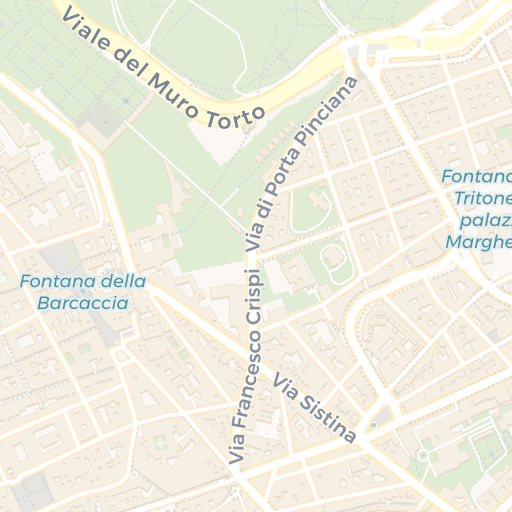
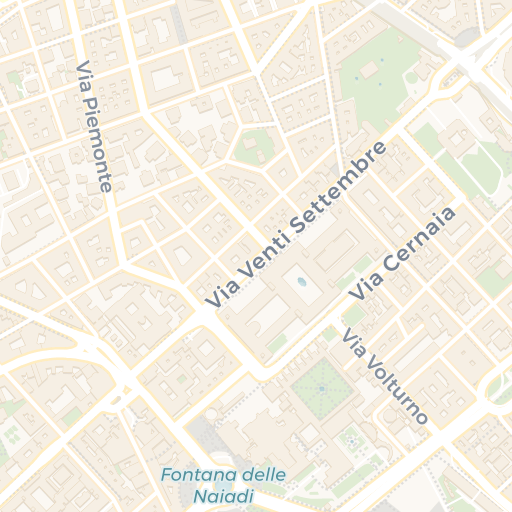
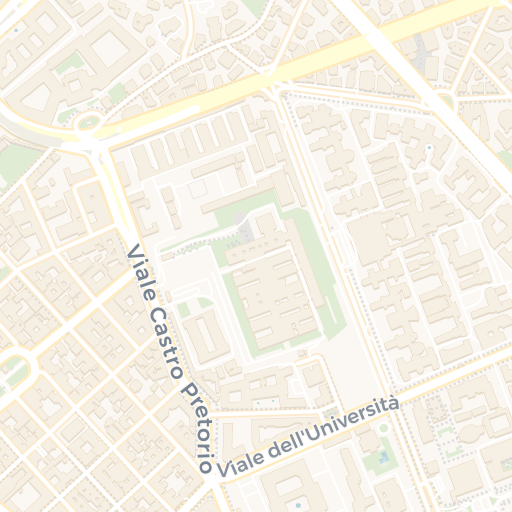
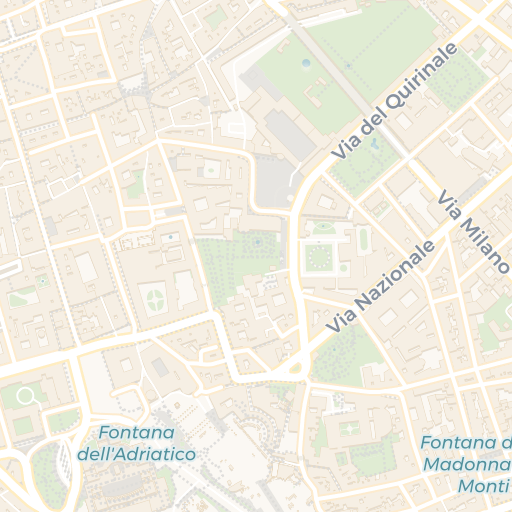
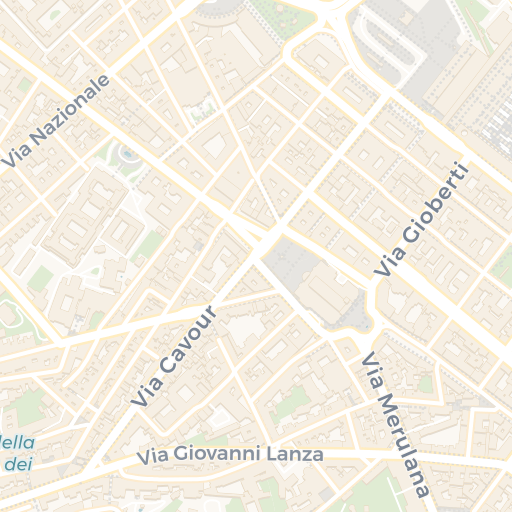
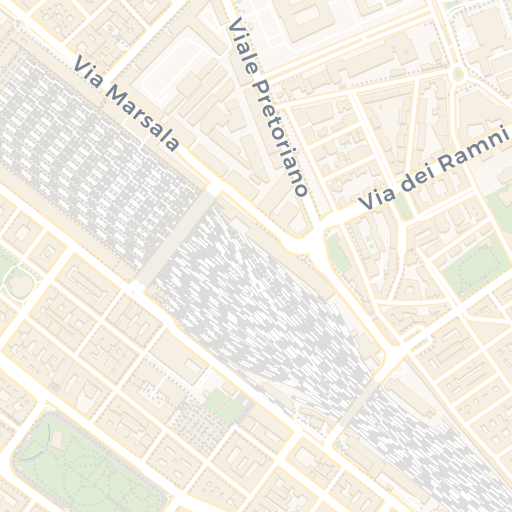
Viale Enrico De Nicola 79, between Termini station, piazza della Repubblica and via Nazionale.
Ticket & Pass Decision Matrix
| Option | Cost | What it gets you | Booking | Verdict |
|---|---|---|---|---|
| The museum, Tuesday to Sunday | Not published by the city | The epigraphic collection, the garden, the ambulatories, the bath structures inside the site | Ticketing via portale.museiitaliani.it | The main visit, and the specialist one. Come for the writing. |
| Santa Maria degli Angeli | Free, separate door | The calidarium–tepidarium–frigidarium axis at full height | None | Do this whatever else you do. It is the largest surviving room of the baths. |
| San Bernardo alle Terme | Free, separate door | One of the two circular halls beside the great exedra | None | Two minutes' walk, and it completes the plan. |
| Museo dell'Arte Salvata | Separate | The octagonal hall at the western corner, on via Parigi | Check that museum | A different institution in a bath room — worth knowing it is there. |
| Palazzo Massimo alle Terme | Separate, same museum | Sculpture, painting, mosaic, coins | Same ticketing portal | The stronger single visit if you only have one. Two minutes away. |
| Monday | — | Nothing. It is closed. | — | The churches are not. Walk the complex from the street instead. |
Verified against Turismo Roma, October 2026.
When to visit
Any day but Monday, and well before 18.00. Turismo Roma gives last entry at 18.00 and closed on Monday, and publishes no opening time — so check the official site before fixing the morning.
Allow for the outdoor half. The garden towards piazza dei Cinquecento is both the entrance and a large part of the display, which makes a dry day worth more here than at an indoor museum.
Spring and autumn suit it. The epigraphic garden and the bath structures are open to the sky; high summer by Termini is unrewarding, and the brick holds the heat.
Combine it with Santa Maria degli Angeli in the same hour. The basilica is the bathing axis itself and sits on piazza della Repubblica, a short walk away — seeing both in one go is what makes the scale land.
It is reliably quiet. This is the specialist branch of the Museo Nazionale Romano, and the crowds that fill the city centre are not here.