

Capitoline Museums
Last updated on September 29, 2026Why visit Capitoline Museums
The draw
This is the oldest public museum in the world, and it does not feel like a survey. The Capitoline Wolf, the bronze Marcus Aurelius that stood in the square outside for four centuries, the Dying Gaul, the Spinario, the shattered Colossus of Constantine, and a Caravaggio — held in two palaces facing each other across a square Michelangelo designed, joined underneath by a Roman records office whose arcade frames the Forum.
The problem when visiting
The price is a moving target. The civic museums are ticketed together with whatever exhibition is running, so the figure you find quoted online is usually the tariff for some window that has closed. It is also a long museum — two buildings and an underground level — and its best view, the Tabularium arcade over the Forum, is easy to walk past without realising it was the point.
The tactic
Buy same-day at the desk, where there is no presale fee, unless an exhibition you actually want is selling out. Check the exemptions before you pay anything: MIC cardholders and residents of Rome and the metropolitan city enter free, and the Roma Pass gets you free or reduced entry. Go late afternoon, finish in the Tabularium, and step out onto the terrace for the Forum.
Skip it if you:
- Have one day in Rome and have not seen the Forum or the Colosseum. Those are outside and next door; this is indoors and can wait for a second trip.
- Do not want a museum of statues. The holdings are overwhelmingly classical sculpture. The painting gallery is good but small, and it is not why anyone comes.
- Are here for the Marcus Aurelius in the square. That one is a copy, installed in 1996. The original is inside, which is a reason to buy a ticket rather than not to — but worth knowing before you stand in the piazza feeling underwhelmed.
- Are visiting on 1 May or 25 December. Closed on both.
Quick Facts
- Type: Museum, Palace, Historic Place
- Local name: Musei Capitolini (vedi la pagina italiana)
- Admission: €11–€16.5
- Reservation: Not required — tickets on the door
- Typical visit: About 2 hours 30 minutes
- Built: 1471 (collection); opened to the public <time datetime="1734">1734</time>
- Built by: Pope Sixtus IV (founding gift); Pope Clement XII (public opening)
- Built for: A civic collection of antiquities given to the people of Rome
- Designed by: Michelangelo Buonarroti (Piazza del Campidoglio)
- Architectural style: Renaissance, to Michelangelo's design for the square
- The oldest public museum: The collection was given to the people of Rome in 1471 and opened to the public in 1734.
- Free for Rome residents: Residents of Rome and the metropolitan city, and MIC cardholders, enter free on production of proof.
Visit Responsibly
The bronzes are the reason the rules are strict. The original Marcus Aurelius was brought indoors in 1996 because the open square was corroding it, and the Capitoline Wolf has been the subject of a long argument about its own date partly because of what earlier centuries of exposure and restoration did to it. Do not touch, and do not lean on cases — these are metal objects that have already been damaged once by their environment.
Buy at the desk, on the day. Third-party resale is heavy around Piazza Venezia and the Campidoglio, sold as queue-skipping for a museum that does not have a timed queue to skip. Same-day purchase at the ticket office carries no presale fee at all, so the resale markup buys nothing.
If you live in Rome, use the exemption. Residents and MIC cardholders enter free, and a municipal museum that its own citizens use is the thing this collection was given to the city for in 1471. It also spreads visits across the year instead of concentrating them in the tourist season.
Treat the square as a working seat of government, not a forecourt. The Palazzo Senatorio is Rome's city hall. Ceremonies, weddings and civic business happen in and around the piazza, and parts of it close at short notice for that reason rather than for yours.
Where it is
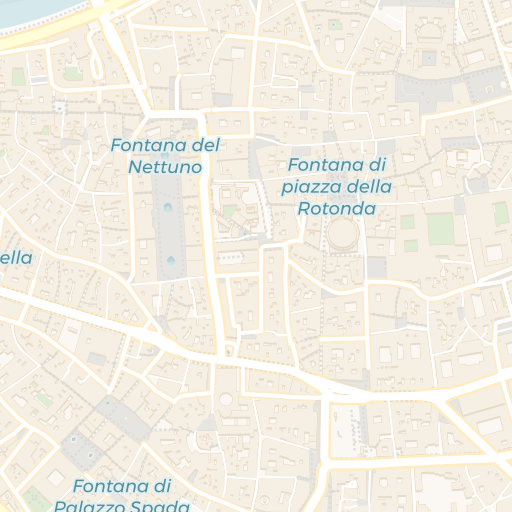
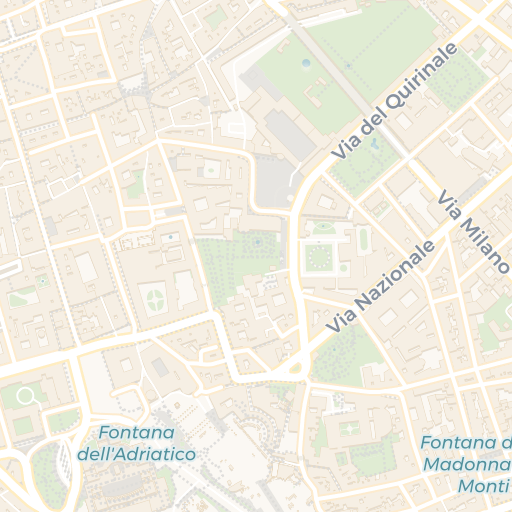
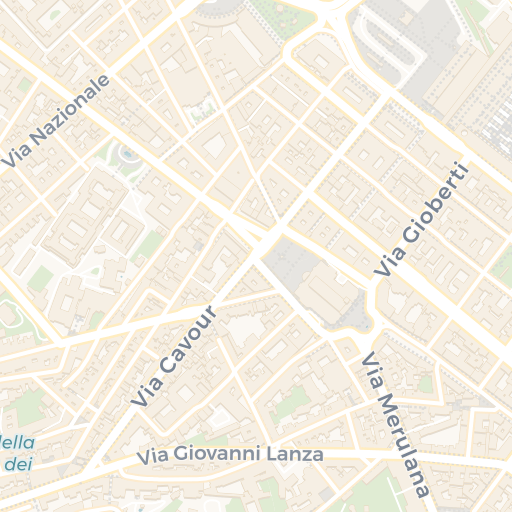
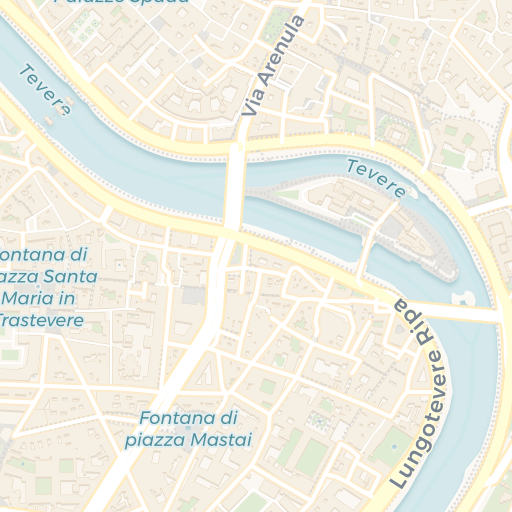
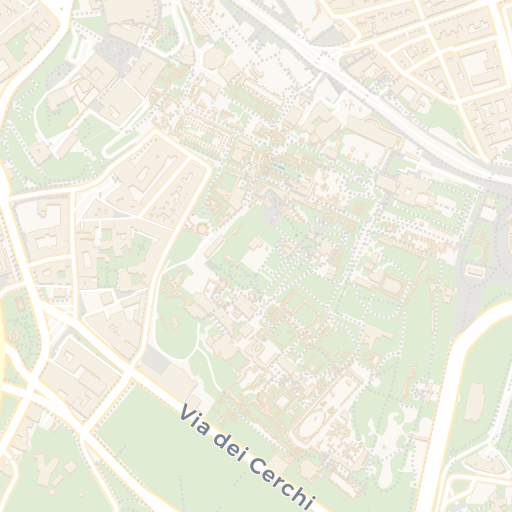
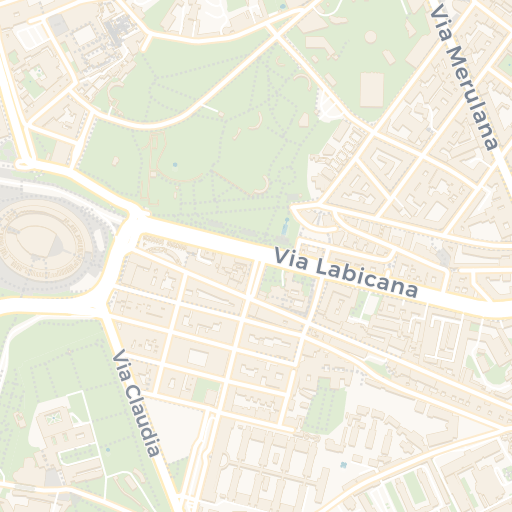
Get directions Open in Apple Maps
© OpenStreetMap contributors · © CARTO · 41.8931, 12.4828
Plan Your Visit
Admission: €11–€16.5 · Non-resident full €16.50 and reduced €11.00 for the exhibition period of 7 September to 1 November 2026 — the civic museums are priced together with whatever exhibition is running, so the standing tariff differs. Free for MIC cardholders and for residents of Rome and the metropolitan city; free or reduced with the Roma Pass.
Prices verified September 2026
Best viewpoint: The Tabularium arcade, which frames the Roman Forum through Roman arches from inside the museum.
Hours, and the two days it is shut
The museums are open every day, 9.30 to 19.30, with last admission one hour before closing. On 24 and 31 December they close early, 9.30 to 14.00, and on 1 January 2026 they open late, 11.00 to 20.00. They are closed on 1 May and 25 December.
The address is piazza del Campidoglio 1. The municipal call centre is +39 060608, daily from 9.00 to 19.00.
The price is not a fixed number, and that matters
The civic museums are ticketed together with whatever exhibition is running, so there is no single standing admission price to quote and any figure you find online is tied to a window that may have closed. For the exhibition period of 7 September to 1 November 2026, the operator published a non-resident full price of €16.50 and a reduced price of €11.00. Check the current tariff before you travel rather than budgeting from a number in a guide.
Buy same-day at the ticket office and you pay no presale fee — cash or credit card. Pre-purchasing online, through the 060608 call centre, or at the counter for a later date (credit card only) adds a presale fee. Advance tickets bought through any of those channels are neither refundable nor changeable.
Ticket & Pass Decision Matrix
| Option | Cost | What it gets you | Queue and booking | Verdict |
|---|---|---|---|---|
| Same-day at the desk | €16.50 full / €11.00 reduced during the 7 Sep–1 Nov 2026 exhibition | Both palaces, the Tabularium, the picture gallery and the exhibition | No booking needed; no presale fee | The default for most visitors. General admission is not timed, so there is nothing to gain by booking ahead. |
| Advance purchase | The same tariff plus a presale fee | Identical access | Online, via 060608, or at the counter for a later date (card only) | Worth it only for an exhibition you are unwilling to miss. Non-refundable and non-changeable. |
| Rome residents and MIC cardholders | Free | Full access | Bring a document proving residence; without it the non-resident price applies | The single biggest saving here, and the reason Romans actually use this museum. |
| Roma Pass | Not published | Free or reduced entry here, plus more than 100 Rome sites and public transport over 48 or 72 hours | No separate reservation for general admission | A good fit: unlike the timed-entry museums, this one takes the pass without a booking dance. The pass fee itself is not published anywhere citable. |
| Capitolini Card | Published with the current tariffs | The permanent collections | Bought with the ordinary tickets | Read the exclusions. It does not admit you to the temporary exhibitions, which must be paid for separately. |
Two turnstile rules. First, a residence or MIC exemption is checked at the door — if the requirement is not met, the difference is payable at the ticket office, so carry the document rather than the intention. Second, an advance ticket cannot be moved to another day, and general admission is not timed anyway, so for most visitors there is nothing to book and nothing to lose.
What is free
Piazza del Campidoglio costs nothing, and a good deal of what people come to the Capitoline for is in it: Michelangelo's square and its star paving, the Cordonata ramp up to it, the twin Dioscuri at the top, and the equestrian Marcus Aurelius in the centre — the copy, not the original. Walk round the right-hand side of the Palazzo Senatorio and the terrace gives you the Roman Forum from above, also free, and one of the best views in the city.
Inside, free admission is a matter of who you are rather than when you come: residents of Rome and the metropolitan city and MIC cardholders enter free on production of proof, as do the categories in the current pricing policy, and Roma Pass holders enter free or reduced. The museum does not run a general free day of its own.
Groups
Groups of 5 to 25 people plus a guide enter by making a free reservation on 060608 and buying at least five tickets in advance; the remainder can be paid on site at the time of the visit.
Allow longer than you think
Two palaces, a picture gallery and an underground passage through the Tabularium make this a long museum — half a day if you read the labels. The route between the two halves runs below the square, so you do not cross it at street level, and it is easy to reach the second palace with less energy than it deserves.
Verified against Musei Capitolini, September 2026.
When to Visit
Late afternoon is the best time, and it is not close. The museum is open until 19.30 with last admission at 18.30, the morning coach groups have gone by about four, and the Tabularium arcade looks west over the Forum — so finishing there puts the low sun across the ruins.
Any month works, because almost all of it is indoors. That makes it one of the right answers to a wet January morning or a July afternoon when the Forum next door is unbearable. The square outside is the exception and is best in spring and autumn.
Avoid 1 May and 25 December, when it is closed, and expect a short day on 24 and 31 December.
Check what exhibition is running before you fix the date. It changes the price, and it occasionally changes which rooms are available. That is a planning fact here rather than a detail.