

Circus Maximus
Last updated on October 2, 2026Why visit Circus Maximus
The draw
It held over 150,000 people — the largest entertainment building of antiquity, and one of the largest of all time. The Circus Maximus was the first and largest stadium in ancient Rome, and in its fully developed form it became the model for circuses throughout the Empire. It filled the Valle Murcia, the wide valley between the Palatine and Aventine, with the ludi that took up 57 days of the Roman year: chariot races run by stables distinguished by colour — green, blue, red and white — with the crowd split across the terraces by whose colour they backed, cheering them on with chants and mottoes composed for the occasion.
The problem when visiting
Most of it reads as a field, and the part that doesn't needs a ticket. Arrive without the numbers and you see a long grass hollow. The real archaeological area — a good part of the hemicycle and the remains of the Arch of Titus, uncovered in the 1930s — is a separate zone with capped entry, and the Sovrintendenza strongly recommends booking ahead. Turn up unprepared and you may get the lawn and miss the building.
The tactic
Book the archaeological area, then walk the whole valley. Buy the ticket in advance, online or on 060608; the park itself stays free and always open, so you can pair a timed entry with as much wandering as you like. Walk the full length — about four minutes — because doing it is what converts the hollow into a stadium, and remember that most of the structures you can see belong to Trajan's rebuilding. Go in the late afternoon: there is no shade, and low light across the valley shows its shape far better than midday.
Skip it if you:
- Want to walk into the ruins on spec. The archaeological area has capped entry and the Sovrintendenza strongly recommends booking ahead. Without a ticket you get the lawn.
- Need a standing building to make a ruin legible. Most of the Circus is the shape of the ground. The Colosseum is twenty minutes away and is the building to see for that.
- Want a price before you commit. Neither the Sovrintendenza nor Turismo Roma publishes one for the archaeological area, and none is published for the AR experience either.
- Are visiting in the heat of a summer afternoon. There is no shade anywhere across 600-odd metres of open valley.
Quick Facts
- Type: Site Complex, Ruins, Historic Place
- Local name: Circo Massimo (vedi la pagina italiana)
- Visitor access: Open to visitors
- Admission: Free + paid options
- Reservation: Not required — tickets on the door
- Typical visit: About 1 hour
- Built: Masonry circus under <span class="timeline-date">Julius Caesar</span>; most visible structures from <span class="timeline-date">Trajan</span>
- Built for: Chariot racing and the public games
- Architectural style: Roman — a racing circuit some 600 m long, now a public park
- Over 150,000 spectators: The largest entertainment building of antiquity — roughly three times what the Colosseum held.
- Free park, ticketed ruins: The grass is always open and free; the archaeological area has capped entry — book on 060608.
Visit Responsibly
Treat the park as an archaeological site that happens to be a lawn. Most of the stone went after racing ended in the early 6th century, and the valley spent the centuries afterwards as farmland and then as the site of the Gazometro plant, warehouses and workshops. What is left is the shape of the ground and the 1930s excavations.
Pay for the excavated end. The archaeological area is capped-entry and ticketed, and that ticket is what maintains the one part of the site that is actual Roman fabric — a good part of the hemicycle and the remains of the Arch of Titus. Book it on 060608 rather than photographing it over a fence.
The ruins are weathered, not curated. In the immediate post-war years the site returned to being a green space in which the ancient structures were substantially abandoned. Look, don't climb.
Keep to the paths where they exist. The park ground is uneven and the edges erode under footfall.
Take your litter out. The park has no gate, no admission and no staff presence at most hours, which means it is maintained on trust.
Pair it rather than rushing it. The Palatine above, and the Forum Boarium with Santa Maria in Cosmedin at the western end, are both short walks, and both spread visitors across a quarter of the city that can absorb them.
Remember it is still a public venue. Concerts, meetings and celebrations are held here, as triumphs, processions and public gatherings were for a thousand years before them. If the field is fenced for an event, that is the valley doing its original job.
Where it is
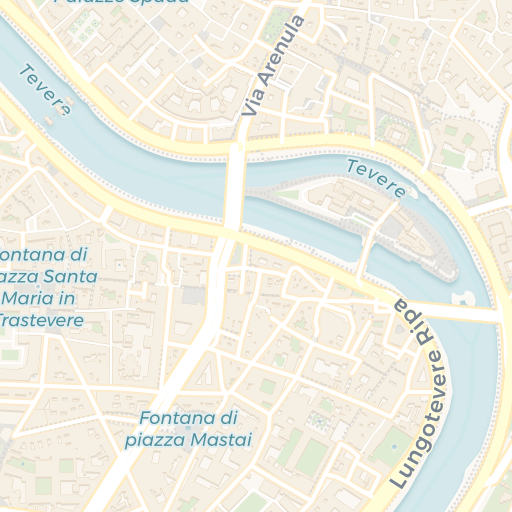
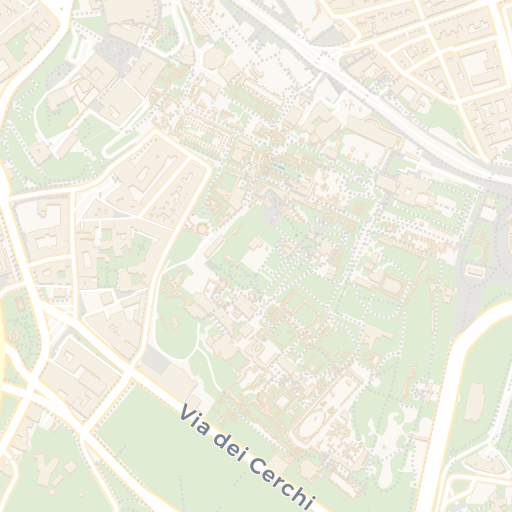
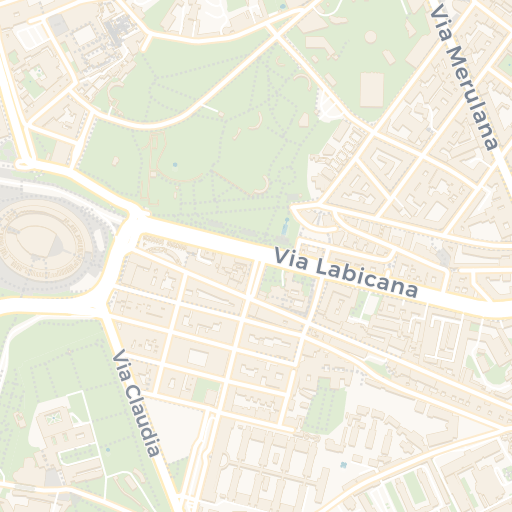
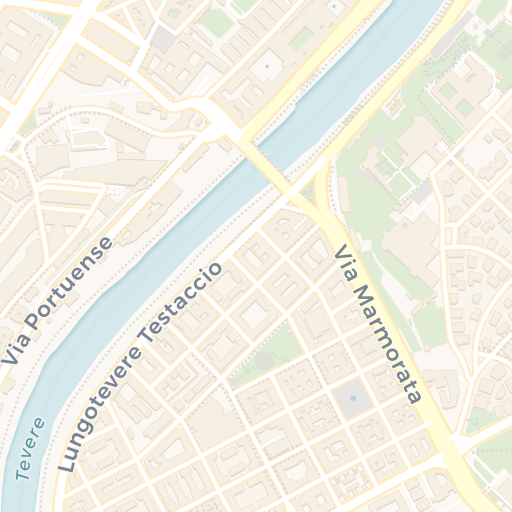
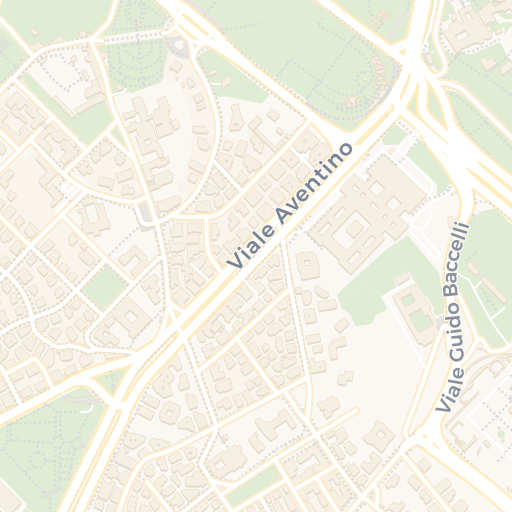
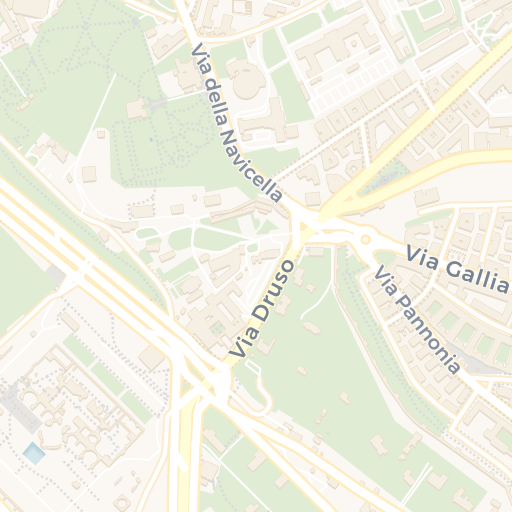
Get directions Open in Apple Maps
© OpenStreetMap contributors · © CARTO · 41.8859, 12.4857
Plan Your Visit
Admission: Free + paid options · TWO ZONES, AND THEY ARE PRICED DIFFERENTLY. The PARK — the great grass hollow of the track — is free, and Turismo Roma lists the Circus Maximus as always open. The ARCHAEOLOGICAL AREA inside it is not: the Sovrintendenza Capitolina states that it is open to the public with capped entry (ingresso contingentato) and that buying the ticket in advance, online or on 060608, is strongly recommended. NEITHER THE SOVRINTENDENZA NOR TURISMO ROMA PUBLISHES A PRICE for the archaeological area, and no price is published for the CIRCO MAXIMO EXPERIENCE either — the augmented- and virtual-reality project Turismo Roma lists as running from 1 January 2026 to 31 December 2026; circomassimoexperience.it did not resolve when checked on 1 October 2026. So: walk the park for nothing, and treat the archaeological area as a ticket to book rather than a figure to budget.
Prices verified October 2026
Best viewpoint: The raised path along the Aventine edge, looking the full length of the track towards the curved hemicycle end — the only vantage from which the whole circuit reads as one object.
Two zones, priced differently
The park is free. Turismo Roma lists the Circus Maximus as always open: no gate, no ticket, no closing time, no booking for the great grass hollow of the track.
The archaeological area is not. The Sovrintendenza Capitolina states that it is open to the public with capped entry (ingresso contingentato), and strongly recommends buying the ticket in advance — online, or on 060608. Capped entry means turning up on the day is a gamble, not a plan.
What is not published
No price. Neither the Sovrintendenza nor Turismo Roma publishes an admission figure for the archaeological area, and none is published for the Circo Maximo Experience — the augmented- and virtual-reality project Turismo Roma lists as running from 1 January 2026 to 31 December 2026. circomassimoexperience.it did not resolve when checked on 1 October 2026. This page therefore names no figure: get it when you book on 060608.
Ticket & Pass Decision Matrix
| Option | Cost | What it gets you | Verdict |
|---|---|---|---|
| Walk the park | Free | The whole valley, at any hour, always open | Genuinely worthwhile on its own if you know the numbers before you arrive — but it is the lawn, not the building. |
| Archaeological area | Not published | The excavated hemicycle and the remains of the Arch of Titus | Book it. Capped entry, advance purchase strongly recommended. This is where the Circus stops being a field. |
| Circo Maximo Experience | Not published | An AR and VR reconstruction on the site | Worth asking about when you book — it addresses exactly this site's problem, which is that the building has to be imagined. |
| Combine with the Palatine | Ticketed separately | The hill immediately above the track | The natural pairing. Seeing the valley from above completes the view you get from inside it. |
How to spend the time
Book the archaeological area first, then build the rest of the visit around your entry slot — the park needs no planning at all, so it absorbs whatever time is left over.
Walk the full length. About four minutes end to end. Nothing else converts an open field into a stadium so quickly.
Go in the late afternoon. There is no shade, the park ground is open grass and gravel, and low light across the valley shows its shape far better than midday.
Getting there
Via del Circo Massimo, between the Aventine and Palatine. Tickets and information for the archaeological area: 060608.
Accessibility
The park has no gate and no admission, so access there is about ground rather than entry: a long shallow bowl of grass and gravel, walkable but uneven. Turismo Roma points to its general "Roma accessibile" section and publishes nothing specific for this site. The paths along the edge are the firmer footing. For the archaeological area, ask on 060608 when booking — capped entry means staff can tell you what the route involves.
On the ground
Allow an hour to walk the valley and visit the archaeological area. The Forum Boarium, Santa Maria in Cosmedin and the Bocca della Verità are a short walk at the western end.
Verified against Sovrintendenza Capitolina ai Beni Culturali, October 2026.
When to Visit
Late afternoon is best. The valley is wide and open with effectively no shade; low light rakes across it and shows the shape, and the heat has gone.
The park is always open, so there is no timetable to work around — unusual in Rome and genuinely useful when the rest of the day has over-run.
But the archaeological area is capped, and the Sovrintendenza strongly recommends booking ahead, online or on 060608. If you want the excavated end rather than just the lawn, that booking decides your timing rather than the light does.
Avoid the middle of a summer day. No shade, no cover, and 600-odd metres of open ground.
Spring and autumn are best overall. The park is grass, which is pleasant in May and October and a mudbath after winter rain.
Check for events. The site functions as a large park area, open to the public and often used for concerts, meetings and celebrations — historically appropriate, given that the valley always served the city's public life, and practically a reason the field may be fenced and occupied.