

Crypta Balbi
Last updated on October 6, 2026Why visit Crypta Balbi
The draw
It is the only museum in Rome whose subject is Rome's own stratigraphy. An extraordinary example of a museum of urban archaeology, a unique journey into the past of the city unfolding across over 2,000 years of history — one block, read vertically, from a Roman portico to a convent dormitory.
The whole thing started with plunder. The small and refined theatre built by Lucius Cornelius Balbus in 13 BC was paid for with the booty of his victories over the Libyan peoples, and the Crypta was its portico: a place of recreation and refreshment for the public during the intervals of the performances.
It answers the question other Roman sites skip. Not how the ancient city was built, but what happened to it: the late-antique lime kiln that burnt marble for mortar, the fortified complexes and medieval houses of the merchants, the seventeenth-century dormitory of the Monastery of Santa Caterina in which the museum rooms have been made.
And it holds the free grain distributions. The underground levels take in the nearby Porticus Minucia Frumentaria, a great quadriportico intended for the free distributions of grain to the citizens of Rome.
The friction
- It is closed, and has been since 9 January 2023, for the URBS project. This is the headline.
- No hours and no price are published, because there is nothing open.
- It was never an easy museum even when open — stratigraphy rewards patience and punishes a rushed walk-through.
- It is interior and partly underground, across three levels.
The tactic
Check the official site before counting on it. Turismo Roma gives museonazionaleromano.beniculturali.it/it/169/crypta-balbi and says to consult it for updates.
Go to the other three seats instead. Palazzo Massimo, Palazzo Altemps and the Terme di Diocleziano are the same Museo Nazionale Romano and all open — Palazzo Massimo for the painting, Palazzo Altemps for the sculpture, the Terme for the epigraphy.
When it reopens, do the floors in order and not in reverse. Ground floor for the complex of Balbus and the nearby Porticus, first floor for the buildings built against the Crypta after the fire of 80 AD and definitively abandoned in the 7th century AD, second floor for the transformations from late antiquity to the Middle Ages. The chronology is the exhibit; taking it backwards destroys it.
Allow ninety minutes, not forty. The objects returned by the investigations or coming from other sites in the city are small, and the labels do the work.
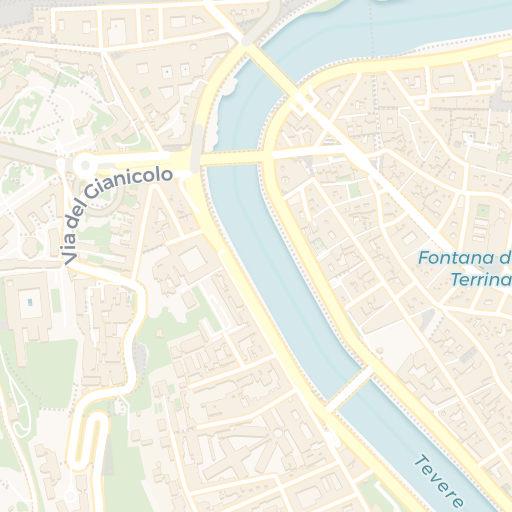
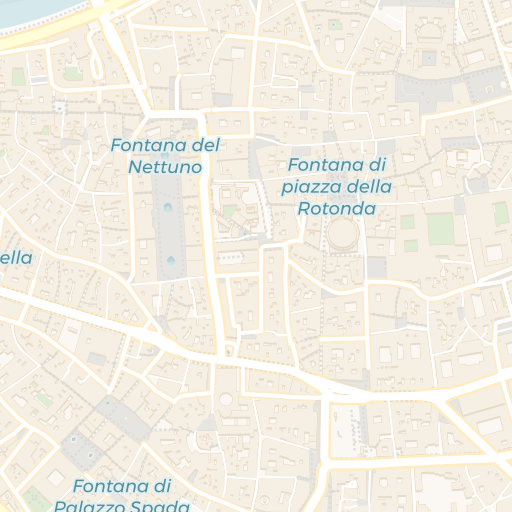
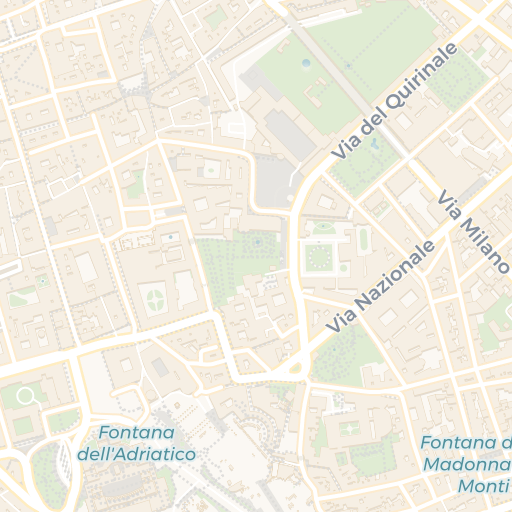
Walk the block above. The address — Via delle Botteghe Oscure 31, between Piazza Venezia and Largo di Torre Argentina — is itself the subject: the medieval merchants' quarter sitting on Balbus's theatre.
Skip it if you:
- Are planning to get in this year. It is closed for the URBS works with no published reopening date.
- Want monumental Rome. This is fragments, kilns and foundations, explained.
- Have one day in the city. Even open, it is a second-visit museum.
Quick facts
- Type: Museum, Ruins, Roman, Historic Place
- Local name: Crypta Balbi (vedi la pagina italiana)
- Built: Portico of <span class="timeline-date">13 BC</span>; museum rooms in a <span class="timeline-date">17th-century</span> dormitory
- Built by: Lucius Cornelius Balbus, with the booty of his victories over the Libyan peoples
- Built for: A portico attached to Balbus's theatre, for the public to rest and refresh during the intervals
- Architectural style: Roman masonry overlaid by medieval and seventeenth-century building, read as stratigraphy
- Over 2,000 years in one city block: An extraordinary example of a museum of urban archaeology — a single site read vertically.
- Paid for with war booty: Balbus built the theatre in 13 BC with the spoils of his victories over the Libyan peoples.
Visit responsibly
It is closed because it is being rebuilt as a museum. The works connected with the great URBS project, "dalla città alla campagna romana" are the reason the doors shut on 9 January 2023; the only thing asked of a visitor now is to consult the official site rather than look for a way in.
The subject of the museum is the destruction of the ancient city. The late-antique lime kiln burnt worked stone for mortar, and the fortified complexes and medieval houses of the merchants were built out of and into what stood. Rome was quarried by the people living in it — the Crypta Balbi is the clearest place in the city to see that, and it is not a story of vandals but of ordinary reuse.
Its founding money was plunder. Balbus built the theatre with the booty of his victories over the Libyan peoples. The museum does not hide it, and neither should a visit.
The Roman state fed the city from the block next door. The Porticus Minucia Frumentaria was intended for the free distributions of grain to the citizens of Rome — a reminder that the monumental centre was also an administrative one.
And the objects are humble on purpose. The social and cultural changes and the living conditions of the city and its inhabitants are narrated through the objects returned by the investigations. Museums that keep the unremarkable finds are doing harder and better work than those that keep only the beautiful ones.
Where it is
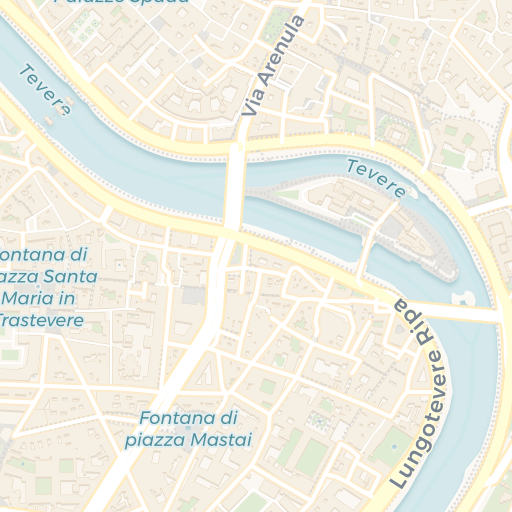
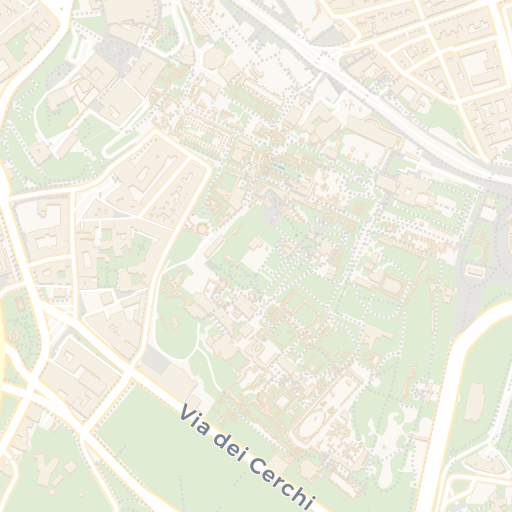
Get directions Open in Apple Maps
© OpenStreetMap contributors · © CARTO · 41.8944, 12.4786
Plan your visit
The seat is closed to the public
Turismo Roma states it plainly: from 9 January 2023 the Crypta Balbi seat is closed to the public for the works connected with the great URBS project, "dalla città alla campagna romana", and visitors should consult the official site for updates. There are no opening hours and no admission price published, because there is nothing currently open. Official site: museonazionaleromano.beniculturali.it/it/169/crypta-balbi.
Where it is, for when it returns
Via delle Botteghe Oscure 31, between Piazza Venezia and Largo di Torre Argentina. The visit is entirely interior, on three levels, and part of it is underground.
The three seats that are open
The Crypta Balbi is a seat of the Museo Nazionale Romano together with Palazzo Massimo, Palazzo Altemps and the Terme di Diocleziano — and those three are open. If the reason for coming was the Museo Nazionale Romano rather than this building specifically, they are the answer, and the combined ticket normally covers all four.
Ticket & Pass Decision Matrix
| Option | Cost | What it gets you | Booking | Verdict |
|---|---|---|---|---|
| Crypta Balbi, now | Not on sale | Nothing. Closed to the public since 9 January 2023 for the URBS works. | — | Check the official site before planning around it. |
| Palazzo Massimo, Palazzo Altemps or the Terme di Diocleziano | Not published by Turismo Roma | The other three seats of the same Museo Nazionale Romano, all open | At the door or online | The substitute that actually works, and normally one ticket covers all four seats. |
| Walking the block above | Free | Via delle Botteghe Oscure, between Piazza Venezia and Largo di Torre Argentina — the medieval merchants' quarter over Balbus's theatre | None | A thin consolation, but the stratigraphy is genuinely under your feet. |
Verified against Turismo Roma, October 2026.
When to visit
Check the official site before fixing anything. The seat has been closed to the public since 9 January 2023 for the URBS project, and no reopening date is published — only the instruction to consult the official site.
When it returns, go on a weekday morning. Even in its open years the Crypta Balbi was the quietest of the four Museo Nazionale Romano seats, and quiet is what a stratigraphy museum needs.
Allow ninety minutes. Three levels, and the objects returned by the investigations are small and heavily labelled.
Weather does not matter. The visit is entirely interior and partly underground — one of the better wet-afternoon museums in Rome, when it is open.
Pair it with the other seats, not with the Forum. Palazzo Massimo, Palazzo Altemps and the Terme di Diocleziano belong to the same museum and the same ticket.