

Great Synagogue of Rome and the Jewish Museum
Last updated on October 5, 2026Why visit Great Synagogue of Rome and the Jewish Museum
The draw
The building is an argument, and the argument is where it stands. After emancipation, the Community chose to put the most imposing synagogue of the city in the very quarter where Jews had been shut in for centuries — on the ground of the former ghetto, demolished under the master plan of 1888. Nothing else in Rome says what this says simply by its address.
Its dome is the only one of its kind on the skyline. Square-based and clad in aluminium, raised over the Temple inaugurated in 1904 to the competition design of Osvaldo Armanni and Vincenzo Costa, with an interior richly decorated in art nouveau.
Two rites under one roof. The Spanish Temple, for the rite officiated in Rome since the arrival of the Jews expelled from Spain in 1492, was placed in the same building in 1932 and in 1948 fitted with the marble furnishings of the Cinque Scole, recreating the atmosphere of the ghetto's ancient synagogues.
And the museum holds 2,200 years in seven rooms. 700 square metres, re-displayed in 2005, with liturgical furnishings, manuscripts, incunabula, historical documents, registers and works in marble, coming entirely from the palace of the Cinque Scole.
The friction
- Closed on Saturday. The sabbath — and the day most visitors have free.
- Closed during Jewish festivals, whose dates move each year. A closure calendar is published.
- You cannot visit the synagogue alone. Entry to the Tempio Maggiore is with a guided visit, on the combined ticket.
- Friday is short. In winter the museum runs 9:00-14:00 on Fridays, with last entry at 13:15.
- Tickets are not refundable.
The tactic
Check the closure calendar before you book anything. It is published on the museum's own site, and the festival dates are the part no visitor can work out unaided.
Come Sunday to Thursday if you can. Those are the full days: 10:00-18:00 in summer, and 16:00, 16:30 or 17:00 closings across the winter bands.
Take the free audioguide. It comes with the ticket, by QR code on your own phone, in Italian, English, Hebrew, Spanish, German, Russian and French.
Treat the guided synagogue visit as the main event, not an add-on. It is the only way into the Tempio Maggiore, and it is already paid for.
Book five days ahead for a guide. Guided visits for individuals and groups need compulsory online booking at least 5 days in advance; for less notice, phone 06.68400661.
Consider the quarter walk. The museum runs guided visits of the Roman Jewish Quarter, the former ghetto — the ground the Temple was deliberately built on.
Skip it if you:
- Can only come on a Saturday. It is closed.
- Want to see the synagogue without a guide. That is not offered.
- Are working to the hour. Last entry runs from 13:15 to 17:15 depending on the day and season.
Quick facts
- Type: Synagogue, Museum, Building, Historic Place
- Local name: Tempio Maggiore e Museo Ebraico di Roma (vedi la pagina italiana)
- Built: Inaugurated <time datetime="1904">1904</time>; the museum re-displayed <time datetime="2005">2005</time>
- Built by: Osvaldo Armanni and Vincenzo Costa, winners of the competition
- Built for: The most imposing synagogue of the city, built in the area of the former ghetto
- Architectural style: Monumental eclecticism with a square-based aluminium-clad dome; interior richly decorated in art nouveau
- Built where the ghetto had been: The Community chose to raise the city's most imposing synagogue in the very quarter where Jews had been shut in for centuries.
- 2,200 years without a break: The Jewish Community has lived in Rome continuously for 2,200 years, among the most ancient outside the Land of Israel.
Visit responsibly
This is an active synagogue and a community's own museum. It is closed on Saturday and during Jewish festivals because it belongs to a congregation, not because of staffing. Access to the Tempio Maggiore is with a guided visit for the same reason.
The building stands where the confinement was. It was raised in the very quarter in which for centuries the Jews had been shut in, on the ground of the ghetto demolished under the master plan of 1888. Walking in without knowing that is walking past the point of it.
The collection is not a general antiquities museum. The works come entirely from the palace of the Cinque Scole and date mainly to the period of the Ghetto, 1555-1870 — liturgical objects from the synagogues of a confined community.
The marble furnishings were moved, not copied. The Spanish Temple was embellished in 1948 with the marble furnishings of the Cinque Scole, recreating the atmosphere of the ghetto's ancient synagogues. Those are the originals.
Follow the museum's own channels. Guided visits need booking at least 5 days ahead, free tickets for disabled visitors are issued on presentation of a certificate rather than online, and the published telephone line is 06.68400661.
Where it is
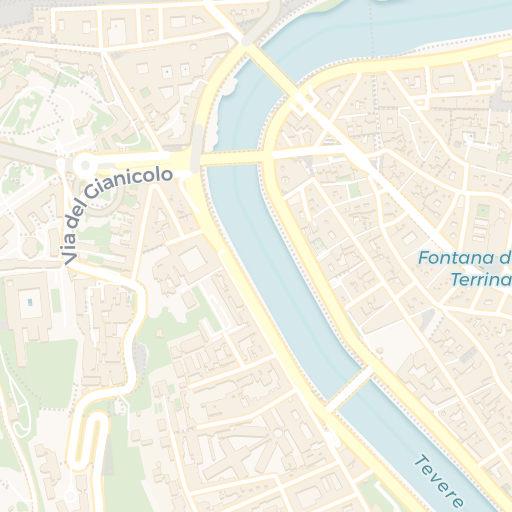
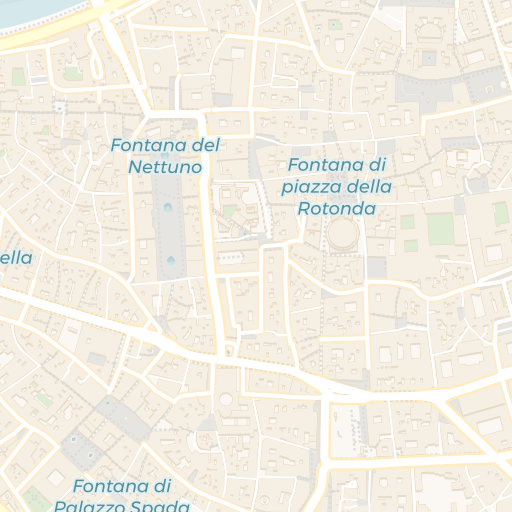
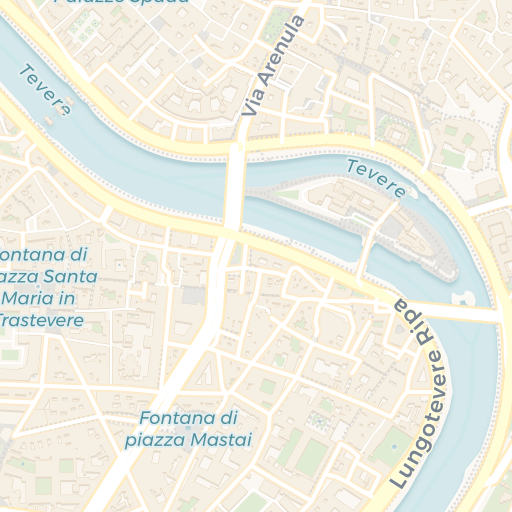
Get directions Open in Apple Maps
© OpenStreetMap contributors · © CARTO · 41.892, 12.478
Plan your visit
Closed on Saturday, and on Jewish festivals
The Jewish Museum of Rome is closed on Saturday and during Jewish festivals. The festival dates move from year to year, so the museum publishes a calendar of the year's closures — check it before travelling. This is the single most common way a visit to this site fails.
Hours, by season
Summer, 1 April to 30 September: Sunday to Thursday 10:00-18:00 (last entry 17:15); Friday 10:00-16:00 (last entry 15:15).
Winter runs in bands, Sunday to Thursday: 10:00-17:00 from 1 to 24 October and 6 February to 31 March (last entry 16:15); 10:00-16:30 from 25 to 31 October and 15 January to 5 February (last entry 15:45); 10:00-16:00 from 1 November to 14 January (last entry 15:15). Friday throughout winter: 9:00-14:00 (last entry 13:15).
One ticket, both buildings
The entrance ticket for museum and synagogue includes the visit of the Museum with a free QR-code audioguide on your own device, in Italian, English, Hebrew, Spanish, German, Russian and French, and entry to the Tempio Maggiore with a guided visit. There is no synagogue-only ticket.
Full 12,00 EUR. Students 6,00 EUR — not over 25, with a document from the school or university proving enrolment for the current year. On agreement 10,00 EUR. A service commission of 1,00 EUR applies to every online transaction, and the ticket is not refundable.
Free entry
- Children under 10 — though for guided visits of school groups the student rate of 6,00 EUR applies to them too.
- Visitors with a disability certificate above 74%, extended to one companion where not self-sufficient. These are not bookable online and are issued on presentation of the certificate.
- ICOM and ICOMOS card holders.
- Members of the police and armed services listed by the museum.
- Journalists with a valid Order card, on accreditation requested by their newsroom.
Guided visits
Compulsory online booking at least 5 days ahead. For shorter notice or particular requirements, telephone 06.68400661, answered Sunday to Thursday 9.30-16.00 and Friday 9:30-14:00.
Ticket & Pass Decision Matrix
| Option | Cost | What it gets you | Booking | Verdict |
|---|---|---|---|---|
| Full ticket | 12,00 EUR (+1,00 online) | The museum with the seven-language audioguide, and the Tempio Maggiore with a guided visit | Not required | The visit. There is no cheaper way to see the synagogue. |
| Student ticket | 6,00 EUR | The same | Not required | Bring the enrolment document — not over 25, and it is checked. |
| Agreement ticket | 10,00 EUR | The same | Not required | Only if your body is on the museum's list. |
| Guided visit, museum + both synagogues | 100,00 EUR + entry (families and adult groups to 25); 50,00 EUR + student entry (schools and universities to 25) | A led visit with radio guides, including the Spanish Synagogue | Online, 5 days ahead | The only way to add the Spanish Temple. Worth it for a group. |
| Roman Jewish Quarter walk | 100,00 EUR (1-4), 150,00 EUR (5-15), 10,00 EUR a head (16-35) | The former ghetto, on foot, with the museum's own guides | Online, 5 days ahead | The context the Temple was built to answer. |
| Saturday | — | Nothing. Closed. | — | Check the closure calendar — festivals close it too. |
Verified against Museo Ebraico di Roma, October 2026.
When to visit
Sunday to Thursday, and never Saturday. The museum is closed on Saturday and during Jewish festivals; Sunday to Thursday are the full days.
Check the published closure calendar first. Jewish festivals move each year, and the museum publishes the year's closure dates precisely because no visitor can derive them.
Avoid Friday if you want time. In winter Friday is 9:00-14:00 with last entry 13:15; in summer 10:00-16:00 with last entry 15:15 — in both cases the shortest day of the week.
Summer gives the longest visit. From 1 April to 30 September the museum runs 10:00-18:00 Sunday to Thursday, with last entry at 17:15.
Mind the winter bands. Closing moves between 16:00, 16:30 and 17:00 across four separate date ranges between October and March, so the published band for your actual date is what matters, not the season.