

Non-Catholic Cemetery
Last updated on September 29, 2026Why visit Non-Catholic Cemetery
The draw
Keats and Shelley are buried here, under a Roman pyramid, among cats. The Non-Catholic Cemetery has been in use since — one of the oldest burial grounds in Europe still in use — and holds over 6,000 burials beneath hundred-year-old cypresses. Behind the graves stands the Pyramid of Cestius, an Egyptian-style tomb built between 18 and 12 BCE, which the Aurelian Walls were later built around. There are no photographs on the tombstones, and the cats walk where they like.
It is also where Antonio Gramsci lies, and Andrea Camilleri, and a former President of Italy — Rome's one burial ground for people who did not fit the categories the city was arranged into.
The problem when visiting
Sunday is a half day, and that is how people waste the journey. Monday to Saturday it is open 9.00 to 17.00; on Sundays and public holidays it closes at 13.00, with last entry at 12.30. It also closes over Christmas, New Year and Epiphany.
It is not a museum. It is a private, working burial ground with funerals in it. There is no ticket desk and no guided tours at present — and the quiet is not a feature laid on for you, it is the condition of the place.
The tactic
Go on a weekday morning, and bring a €5 note. There is no admission charge; the Cemetery asks each visitor to contribute at least €5 towards its operating costs, and that contribution is what keeps it open. Allow an hour and a quarter — long enough for Keats, Shelley, the Angel of Grief and a slow circuit under the cypresses.
Pair it with the Pyramid itself, which is the other side of the same wall, and with Testaccio for lunch afterwards.
Skip it if you:
- Only have a Sunday afternoon. It shuts at 13.00.
- Need a guide. The Cemetery is not offering tours at present.
- Need step-free access and cannot check first. The operator publishes nothing about gradients or paths — ask them before you travel.
- Want a monument to tick off. This rewards an hour of wandering and almost nothing else.
Quick Facts
- Type: Cemetery, Historic Place, Famous Person Site
- Local name: Cimitero Acattolico (vedi la pagina italiana)
- Admission: Donation suggested
- Reservation: Not required — tickets on the door
- Typical visit: About 1 hour 15 minutes
- Built: In use since <time datetime="1716">1716</time>
- Built for: The burial of non-Catholics dying in Rome
- Sundays are a half day: 9.00–13.00 with last entry at 12.30, against 9.00–17.00 the rest of the week. It is the usual wasted journey.
- No ticket — bring €5: A private burial ground, not a museum. The Cemetery asks at least €5 a head towards running costs.
Visit Responsibly
Leave the €5. There is no ticket, no public subsidy and no turnstile. A private burial ground open to visitors at the visitors' discretion is funded by whether they bother, and the Cemetery asks for at least five euros a head towards running costs. Walking through without leaving it is the one genuinely thoughtless thing you can do here.
Remember that people are still buried here. Andrea Camilleri in 2019, Giorgio Napolitano in 2023. A funeral or a family visit may be under way while you are looking for Keats.
Photograph sparingly. Individual visitors are asked to limit photographs as much as possible and not to post them on social media — and booked groups agree not to post them at all. It is a graveyard, and the request is a modest one.
Do not eat, drink or smoke as you walk. Group visitors formally undertake not to; everyone else should manage it anyway.
Leave the cats alone. They belong to a colony looked after by the volunteers of I Gatti della Piramide, who run the sanctuary next to the Pyramid. They are fed. They do not need your lunch.
Where it is
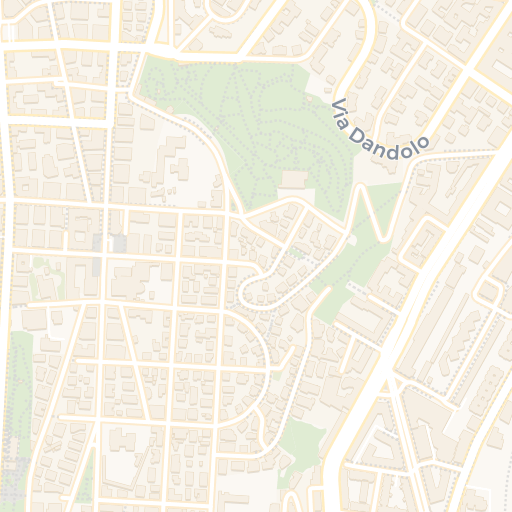
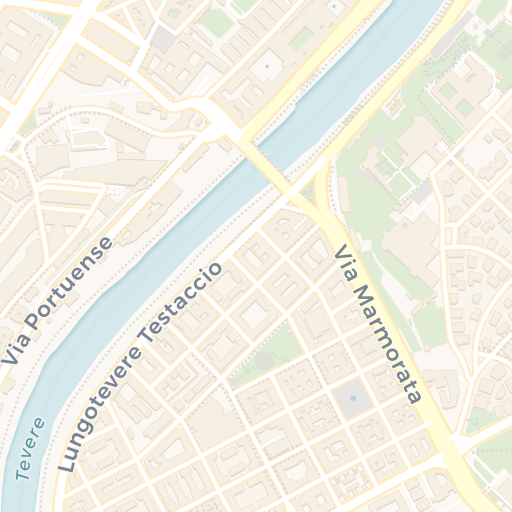
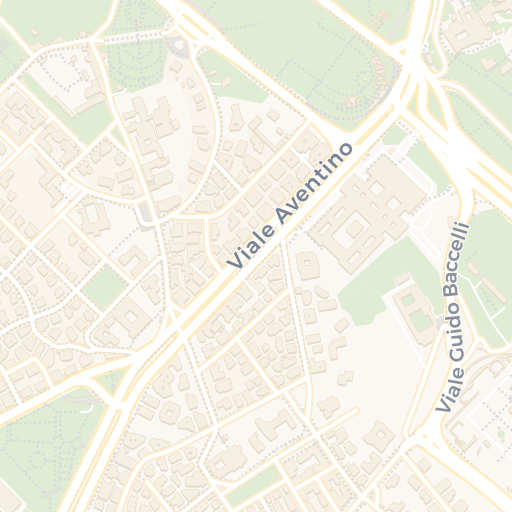
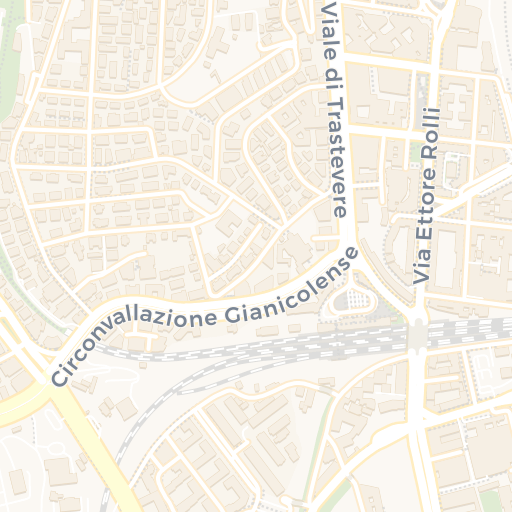

Get directions Open in Apple Maps
© OpenStreetMap contributors · © CARTO · 41.8764, 12.4799
Plan Your Visit
Admission: Donation suggested · There is no ticket. The Cemetery invites visitors to contribute AT LEAST €5.00 each towards its operating costs — it is a private burial ground and the contribution is what funds it. Groups are a separate arrangement: a maximum of 14 visitors (15 people including the group leader), booked two to three weeks in advance by email to mail@cemeteryrome.it. THE CEMETERY IS NOT OFFERING GUIDED TOURS AT PRESENT.
Prices verified September 2026
Best viewpoint: The upper terrace under the cypresses, where the Pyramid of Cestius rises straight out of the Aurelian Walls behind the graves — the one view that explains where you are.
There is no ticket
This is a private, active burial ground, not a museum, and it is funded by what visitors leave. The Cemetery invites each visitor to contribute at least €5.00 towards its operating costs. Bring a note; do not arrive expecting a ticket desk.
Hours — and the Sunday trap
Monday to Saturday, 9.00 to 17.00, last entrance 16.30.
Sundays and public holidays, 9.00 to 13.00, last entrance 12.30. That is half a day, and it is the single most common way to waste the journey here — a Sunday afternoon visit is not possible.
It also closes over Christmas, New Year and Epiphany. The operator publishes the exact dates each year, so check before travelling in late December or early January.
Guided tours and groups
The Cemetery is not offering guided tours at present.
Groups are a separate arrangement and must be booked: a maximum of 14 visitors — 15 people including the group leader — with two to three weeks' notice, by email to mail@cemeteryrome.it.
Ticket & Pass Decision Matrix
| Option | Cost | What it gets you | Booking | Verdict |
|---|---|---|---|---|
| Individual visit | €5.00 suggested, minimum | The whole cemetery, at your own pace | None — just arrive within opening hours | The only option for most people. The contribution is what keeps it open; treat it as the price. |
| Group visit | Contribution as above | Same access, arranged in advance | Required — email two to three weeks ahead; maximum 14 visitors | For a class or a society. The group leader accepts conditions on behalf of everyone. |
| Guided tour | — | — | — | Not available at present. Several guidebooks still describe tours in three languages; the Cemetery's own page says otherwise. |
How to behave, precisely
Two different sets of rules circulate, and they are not the same thing.
As an individual visitor, you are asked to limit photographs as much as possible, and not to post them on social media. It is a request, made of people walking through a working cemetery.
As a booked group, the leader accepts firmer conditions on behalf of everyone: no eating, drinking, smoking or vaping anywhere in the Cemetery, and photographs must not be posted online or on social media.
Getting there
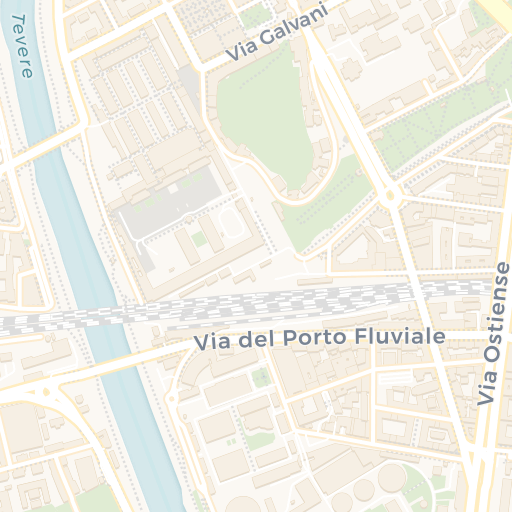
Via Caio Cestio 6, in Testaccio. Via Caio Cestio runs off Via Marmorata on the north side of the Pyramid, and the entrance is on the left halfway down the road — it is easy to walk past.
The Pyramid of Cestius is the namesake of Piramide station on the Rome Metro, which is the landmark to navigate to.
Accessibility
The Cemetery publishes no accessibility information. Nothing on its site describes wheelchair access, path surfaces, steps or gradients. If you need to know, contact it directly rather than relying on a guess — including this one.
On the ground
Allow about an hour and a quarter. The cats are fed and cared for by the volunteers of I Gatti della Piramide, which runs the sanctuary beside the Pyramid; they are residents, not strays to be rescued.
Verified against Cimitero Acattolico di Roma / Non-Catholic Cemetery for Foreigners in Rome, September 2026.
When to Visit
A weekday morning, and not a Sunday afternoon. Monday to Saturday the Cemetery is open 9.00 to 17.00; on Sundays and public holidays it closes at 13.00 with last entry at 12.30. More visits are wasted on that one fact than on anything else about the place.
Early, for the light and the quiet. It opens at 9.00, and the first hour under the cypresses is the reason to come rather than a bonus.
Avoid late December and early January without checking. It closes over Christmas, New Year and Epiphany, and the operator publishes the exact dates annually.
Spring and autumn are best. It is almost entirely outdoors, on grass and gravel under trees. In high summer the walk from Piramide is unpleasant well before you arrive; in heavy rain the ground is the ground.
It is never crowded. That is unusual in central Rome and it is much of the point — but it also means you are conspicuous, and a funeral may be taking place while you are there.