

Palazzo Altemps (Museo Nazionale Romano)
Last updated on October 5, 2026Why visit Palazzo Altemps (Museo Nazionale Romano)
The draw
One room here holds a Greek original, and Greek originals in Rome are rare. The "Ludovisi Throne" is a famous Greek original of the 5th century BC, shown alongside the Galata suicida, Orestes and Electra, Ares and the Head of Juno.
It is a quiet palace two minutes from Piazza Navona. The collection sits inside the fifteenth-century palace built for Girolamo Riario and held by the Altemps family from 1568 — courtyard porticoes and painted rooms, not museum halls.
And the display is about collectors, not just antiquity. The works are arranged so that both the formal aspects and the taste of the collectors of the time can be grasped, and the Altemps sculptures specifically are shown with the furnishing criteria of the palace. You are looking at how Rome's families lived with ancient marble.
The friction
- Closed on Mondays, with last entry at 18.00.
- No price is published by the city — only the museum's own ticketing page.
- It is one branch of four. The Museo Nazionale Romano is spread across Palazzo Massimo, Palazzo Altemps, Crypta Balbi and the Terme di Diocleziano, and this is the smallest in scope.
- Much of what it describes is gone. The Ludovisi collection was partly dispersed, and the cardinal's 120 sculptures are down to fifteen.
The tactic
Go to the Ludovisi rooms first. The 104 sculptures the State acquired are the reason the museum is famous, and the Ludovisi Throne is what people come for.
Look under the northern portico. Four of the fifteen surviving sculptures of Cardinal Altemps's own collection are there, under the arcades — the point where the palace and its collection are the same thing.
Read the rooms as rooms. Because the Altemps pieces are displayed according to the furnishing criteria of the palace, the sightlines and the painted walls are part of the exhibit rather than a backdrop.
Do not miss the Egyptian material. It includes the finds from the sanctuary of Isis and Serapis of the Campus Martius — excavated a few streets from where you are standing — and from the Syriac sanctuary of the Janiculum.
Pair it with Piazza Navona, not with another museum. It is a short visit in a dense quarter; stacking it against Palazzo Massimo in one day wastes both.
Skip it if you:
- Only have time for one branch. Palazzo Massimo holds more.
- Are in Rome on a Monday. It is closed.
- Want scale. This is a palace of rooms, not a gallery of halls.
Quick facts
- Type: Museum, Palace, Building
- Local name: Palazzo Altemps (Museo Nazionale Romano) (vedi la pagina italiana)
- Built: A <span class="timeline-date">15th-century</span> palace; museum of the Museo Nazionale Romano, instituted <time datetime="1889">1889</time>
- Built by: Built for Girolamo Riario; to the Altemps family from 1568
- Built for: A Roman family palace, later the seat of a collection of classical sculpture
- Architectural style: Fifteenth-century Roman palace with courtyard porticoes
- A garden was sold and a museum resulted: The Ludovisi collection held about 450 sculptures; when the villa was destroyed for the Ludovisi quarter, the State acquired 104 of them.
- The cardinal kept 120 — fifteen are left: Marco Sittico Altemps's own collection of Greek and Roman sculpture is down to fifteen pieces, four of them under the northern portico.
Visit responsibly
This collection is what survived a sale. The Villa Ludovisi was destroyed at the end of the nineteenth century for the creation of the Ludovisi quarter and part of its collection was dispersed; the 104 sculptures the State acquired are the remainder. The museum is a record of a loss as much as a display of a gain.
The same is true at smaller scale. Cardinal Marco Sittico Altemps's collection was originally 120 sculptures and is now fifteen.
The sculptures stand in the open. Many are at arm's length on plain plinths, in porticoes and furnished rooms rather than behind glass. That is a deliberate curatorial choice — the works are shown with the furnishing criteria of the palace — and it depends on visitors not touching them.
The painted rooms are exhibits too. The frescoed walls are the reason the display reads as a historic interior; bags, tripods and leaning all put them at risk.
The Egyptian material came from excavations in this city. It includes finds from the sanctuary of Isis and Serapis of the Campus Martius and the Syriac sanctuary of the Janiculum — Roman religious archaeology, not souvenirs of Egypt.
Where it is
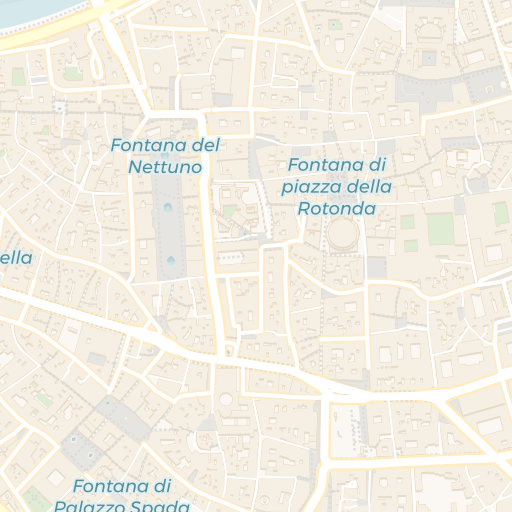
Get directions Open in Apple Maps
© OpenStreetMap contributors · © CARTO · 41.901, 12.4733
Plan your visit
Tuesday to Sunday, 9.30 to 19.00
Palazzo Altemps is open from Tuesday to Sunday from 9.30 to 19.00, with last entry at 18.00, and is closed on Monday. Turismo Roma tells visitors to consult the official site for updates and visiting arrangements.
No price is published
The city gives the official site and the museum's own orari-e-biglietti page and no amount, so no figure is quoted here — the same position as at every branch of the Museo Nazionale Romano.
What is inside
- The Boncompagni Ludovisi sculptures the State acquired — 104 of about 450 — including the Ludovisi Throne.
- Fifteen surviving sculptures of Cardinal Marco Sittico Altemps, four of them under the northern portico.
- The Mattei collection, in the courtyard porticoes and the first-floor rooms.
- The Del Drago collection and a substantial part of the museum's Egyptian collection.
Where it is
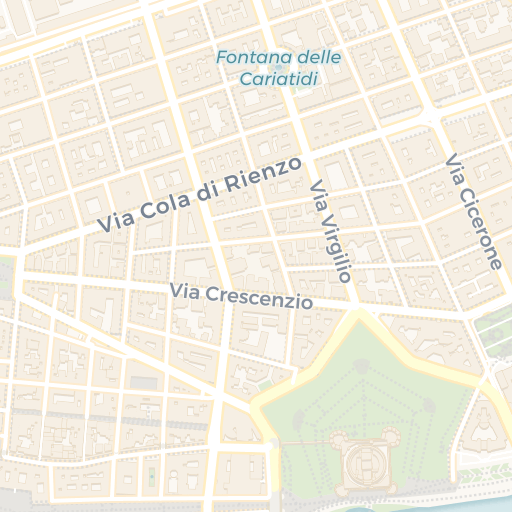
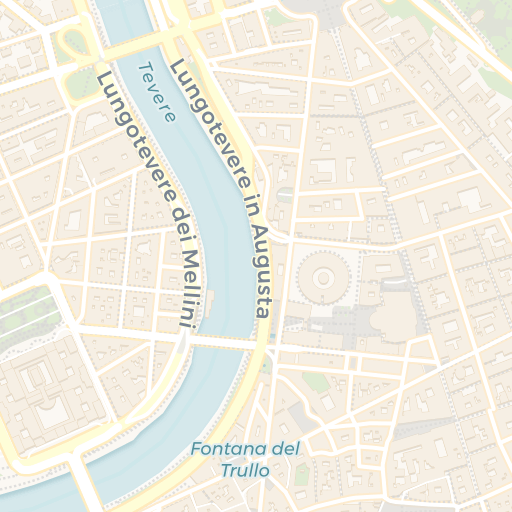
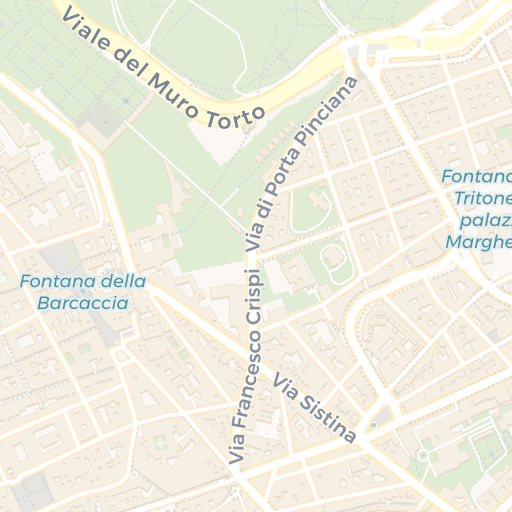
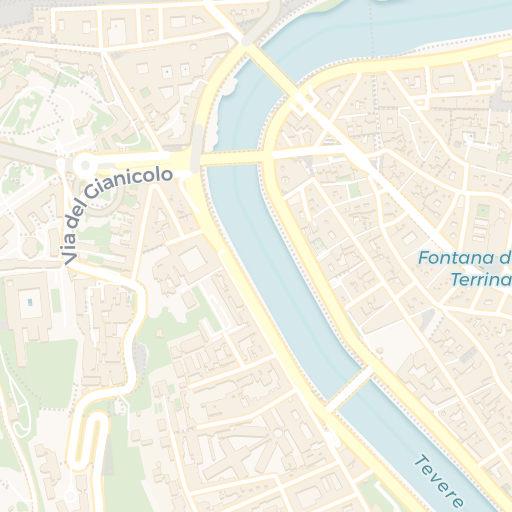
Via di Sant'Apollinare 8, with a second entrance listed at no. 46, a few steps north of Piazza Navona.
Ticket & Pass Decision Matrix
| Option | Cost | What it gets you | Booking | Verdict |
|---|---|---|---|---|
| A visit, Tuesday to Sunday | Not published by the city | The Ludovisi sculptures, the Altemps rooms, the Mattei and Del Drago groups, the Egyptian section | Via the museum's ticketing page | The visit. Allow an hour and a half; it rewards slow looking rather than distance covered. |
| Palazzo Massimo instead | Separate, same museum | The classical sculpture, the Villa di Livia and Farnesina rooms, the coin vault | Same ticketing route | The stronger single visit if you can only make one. |
| Both in one day | Separate tickets | Two branches of one collection | Same route | Possible, but they are on opposite sides of the centre and each deserves fresh attention. |
| Monday | — | Nothing. It is closed. | — | Piazza Navona is two minutes away and costs nothing. |
Verified against Turismo Roma, October 2026.
When to visit
Any day but Monday, before 18.00. The museum runs Tuesday to Sunday 9.30–19.00 with last entry at 18.00.
Morning, for the courtyard. Part of the collection stands under the arcades of the northern portico and in the porticoes of the courtyard, in daylight — which means the weather and the hour change what those pieces look like in a way they do not in a sealed gallery.
It is reliably quiet. This is the least-visited of the four Museo Nazionale Romano seats, a few steps from one of the busiest squares in Rome.
A wet day suits it. The circuit is almost entirely indoors, in a quarter where the alternative attractions — Piazza Navona and the streets around it — are not.
Allow an hour and a half. The palace is not large, but the display is dense and the rooms themselves are part of what you have come to look at.