

Palazzo Massimo alle Terme (Museo Nazionale Romano)
Last updated on October 5, 2026Why visit Palazzo Massimo alle Terme (Museo Nazionale Romano)
The draw
The famous objects are here, and hardly anyone queues for them. Turismo Roma calls the Museo Nazionale Romano the most important archaeological collection in the world, and this is the branch holding the Augustus as Pontifex Maximus from via Labicana, the Fanciulla di Anzio, the Discobolus Lancellotti, the Sleeping Hermaphrodite, the Venus about to bathe by Doidalsas and the Apollo del Tevere — a copy of a 5th-century BC original probably from the workshop of Phidias.
The second floor is Roman painting reassembled into rooms. Not fragments on a wall: the painted rooms of the Villa di Livia at Prima Porta and the Villa della Farnesina — four of the nine surviving rooms reconstructed, datable to around 20 BC, which Turismo Roma calls particularly refined examples.
There is a bronze section and a coin vault. Bronzes from the ships of Nemi and the Dionysus of the Tiber; and a numismatic collection in a purpose-built basement caveau, made during the most recent works on the palace, with rare pieces, many of them unique.
The friction
- Closed on Mondays, and the ticket office shuts at 18.00 though the museum runs to 19.00.
- No price is published by the city — only a ticketing link.
- The building is not the attraction. It is a neo-cinquecentesco palace of 1883–1887; the Roman material inside it came from elsewhere.
- It is big and dense. Four floors from the coin vault to the painted rooms, with no single route that catches everything.
- It is beside Termini, which is nobody's favourite part of Rome to arrive in.
The tactic
Go up before you go along. Most visitors work floor by floor and run out of attention before the second floor — which is where the Villa di Livia and Villa della Farnesina rooms are, and the best thing in the building.
Buy the ticket before 18.00. The ticket office closes an hour before the museum does, which is the one timing trap here.
Treat the mosaics as a sequence, not decoration. The museum shows republican-period black-and-white floor mosaics with polychrome central panels and more articulated imperial-period floors, spanning the 1st century BC to the 4th century AD, from various parts of the city — a readable arc of two centuries of taste.
Ask for the inlay work. A notable 4th-century AD intarsia of the head of the Sun God in cipollino marble, and the intarsia panels from the Basilica of Junius Bassus, are the pieces most people walk past.
Pair it with the Terme di Diocleziano, two minutes away. Same museum, same ticketing portal, complementary halves: sculpture and painting here, epigraphy and bath architecture there.
Skip it if you:
- Want Roman architecture rather than Roman objects. The building is 19th century.
- Are in Rome on a Monday. It is closed.
- Have under an hour. You would see the ground floor and miss the painted rooms.
Quick facts
- Type: Museum, Palace, Building
- Local name: Palazzo Massimo alle Terme (Museo Nazionale Romano) (vedi la pagina italiana)
- Built: Built between <time datetime="1883">1883</time> and <time datetime="1887">1887</time>; state-owned since <time datetime="1981">1981</time>
- Built by: To a design by Camillo Pistrucci
- Built for: A palace on the site of Villa Peretti, built by Sixtus V and later the home of the Massimo family
- Architectural style: Neo-cinquecentesco
- Roman rooms, not Roman panels: The second floor reconstructs painted rooms from the Villa di Livia at Prima Porta and the Villa della Farnesina — four of the nine surviving Farnesina rooms, from around 20 BC.
- The coins are kept in a vault: The numismatic collection sits in a purpose-built basement caveau made during the most recent works, holding rare pieces and many unique ones.
Visit responsibly
Much of the jewellery is grave goods. The Goldsmithing Section of jewels and gems holds objects that are almost all funerary. These were buried with people, and the display case is not where they were meant to end up.
The painted rooms are fragile in a way sculpture is not. The Villa di Livia and Villa della Farnesina rooms are ancient painted plaster, reconstructed — sensitive to light, humidity and touch. Flash, leaning in and bags swung over a shoulder are all real risks here.
Respect the no-contact rule on freestanding sculpture. The classical works stand in the open at arm's length, which is a courtesy from the museum rather than an invitation.
Remember these objects were collected, not excavated in place. The holdings come from named collections — the former Museo Kircheriano, the Gnecchi collection, the Savoia collections — and from finds across the city. The arrangement is a history of collecting as much as of Rome.
Use the official site for anything uncertain. Turismo Roma itself advises consulting the official site for updates and visiting arrangements, and publishes the phone line as answered daily — better than relying on second-hand hours.
Where it is
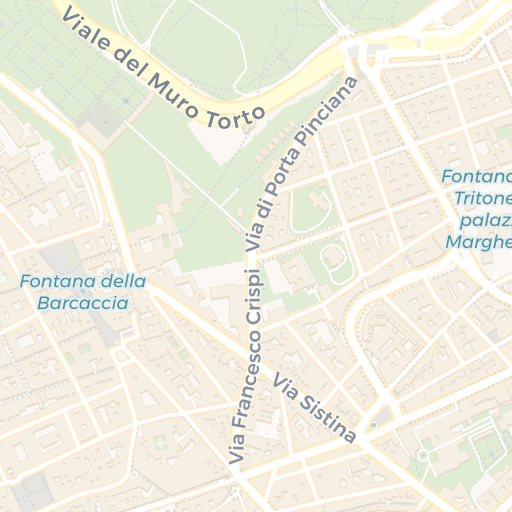
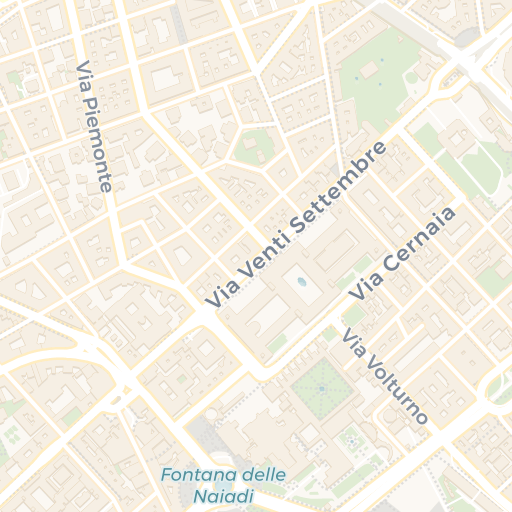
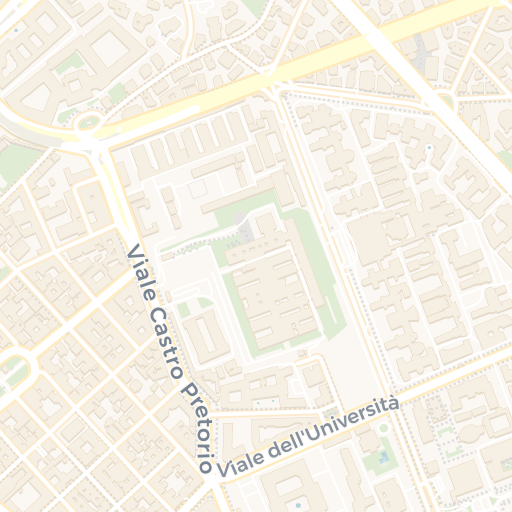
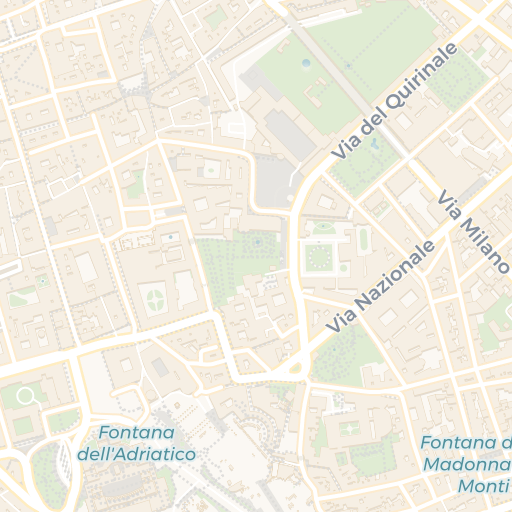
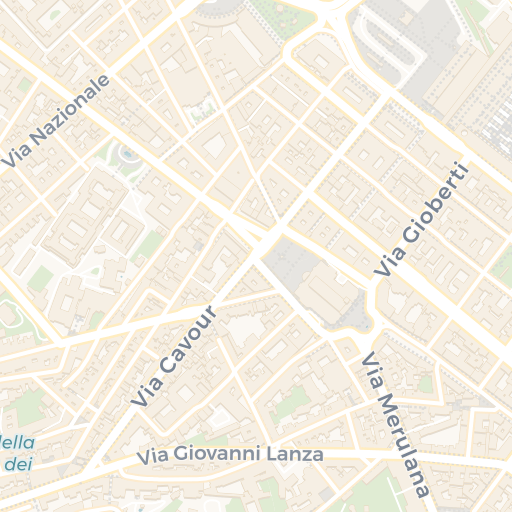
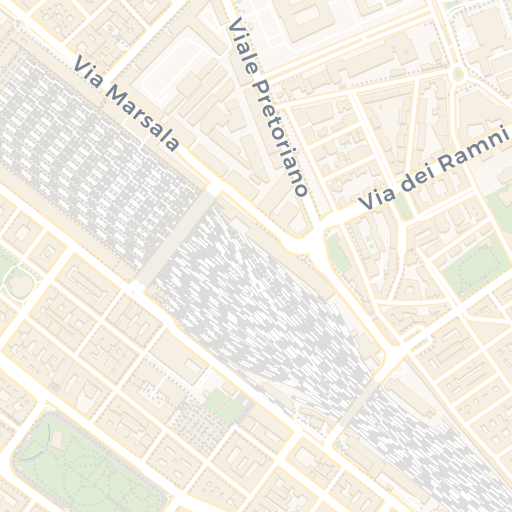
Get directions Open in Apple Maps
© OpenStreetMap contributors · © CARTO · 41.9018, 12.4983
Plan your visit
Tuesday to Sunday, 9.30 to 19.00 — but the ticket office closes at 18.00
Palazzo Massimo is open from Tuesday to Sunday, 9.30–19.00, with the ticket office closing at 18.00, and is closed on Monday. That hour's gap between the last ticket and the last visitor is the one scheduling trap here.
No price is published
Turismo Roma gives the official site and a ticketing link on portale.museiitaliani.it and no amount, so no figure is quoted here. The same portal serves all four branches of the Museo Nazionale Romano. Telephone 06.684851, answered every day from 9.30 to 19.00.
What is on which floor
- Classical sculpture — mainly late republic and early empire, reflecting the influence of Greek-Hellenistic culture on the artists of Rome.
- Second floor — the painted rooms of the Villa di Livia at Prima Porta and the Villa della Farnesina, plus the mosaics and the Sun God intarsia.
- Basement — the numismatic collection, in a purpose-built caveau.
Where it is
Largo di Villa Peretti 1, a few steps from Termini station — which also makes it the easiest major museum in Rome to fit around a train.
Ticket & Pass Decision Matrix
| Option | Cost | What it gets you | Booking | Verdict |
|---|---|---|---|---|
| A morning visit (from 9.30) | Not published by the city | The whole museum with time for the second floor | Ticketing via portale.museiitaliani.it | The right way to do it. The painted rooms deserve a fresh hour. |
| A late visit | Same | The same museum, less of it | Same | Workable, but buy before 18.00 — the ticket office closes an hour before the museum. |
| Palazzo Massimo + Terme di Diocleziano | Separate, same museum and portal | Sculpture and painting here; epigraphy and bath architecture there | Same portal | The natural pair. Two minutes apart, and they are halves of one collection. |
| Palazzo Altemps or Crypta Balbi | Separate, same museum | The other two sites of the Museo Nazionale Romano | Same portal | For a second or third day, not a first. |
| Monday | — | Nothing. It is closed. | — | Check the day before you plan the morning around it. |
Verified against Turismo Roma, October 2026.
When to visit
Any day but Monday, and preferably from 9.30. The museum runs Tuesday to Sunday 9.30–19.00, and it is dense enough that a morning start is the difference between seeing the second floor properly and skimming it.
Never arrive after 18.00 expecting to get in. The ticket office closes at 18.00 even though the rooms stay open until 19.00.
Weather does not matter, which is the point. This is an indoor museum two minutes from Termini: it is the single best wet-day or heatwave substitution in Rome, where most of the headline sites are open to the sky.
It is quieter than its quality warrants. The crowds that queue for the Colosseum and the Vatican largely do not come here, which is the main practical argument for prioritising it.
Fit it around a train. At Largo di Villa Peretti 1, beside Termini, it absorbs a spare half-day at the start or end of a trip better than anything else in the city.