

Quartiere Coppedè
Last updated on October 6, 2026Why visit Quartiere Coppedè
The draw
Nothing else in Rome looks like it, and it is only a short walk from the centre. A fantastic mixture of Liberty and Art Deco art with infiltrations of Greek, Gothic, baroque and even medieval art — an incredible "pastiche" of architectural languages which immerse the visitor in the sumptuous and also slightly fictitious atmosphere of the early twentieth century. That word "fictitious" is the city's own, and it is exact.
The entrance is a designed moment. A richly decorated "arcone" joining the two buildings of the ambassadors, from which descends a great wrought-iron chandelier. Walk under it rather than past it.
There is a spider on a building and twelve frogs in a fountain. The Palazzina del Ragno, of Assyro-Babylonian inspiration, distinguished by a great spider on its facade; the Fontana delle Rane, an imposing fountain populated by twelve frogs, in the middle of piazza Mincio.
And one building refuses to resolve. The Villino delle Fate, characterised by a total asymmetry, with medieval arches and friezes, made by the fusion of different materials such as marble, brick, travertine, terracotta and glass.
Horror cinema found it first. Dario Argento shot "Inferno" and "L'uccello dalle piume di cristallo" here.
The friction
- It is smaller than its reputation. 26 palazzine and 17 villini — the city is blunt that it is not a true quarter.
- The buildings are private homes. There are no interiors, courtyards or stairwells to visit.
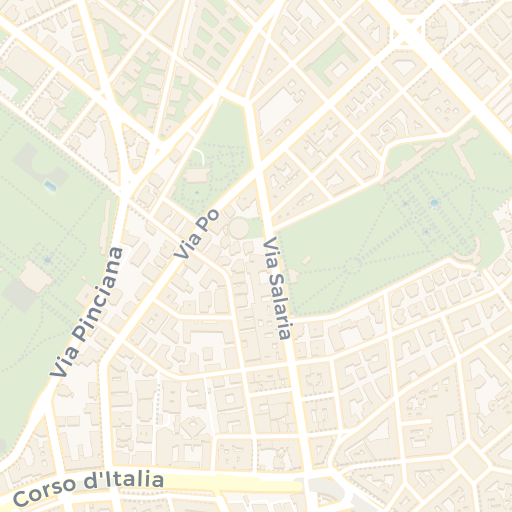
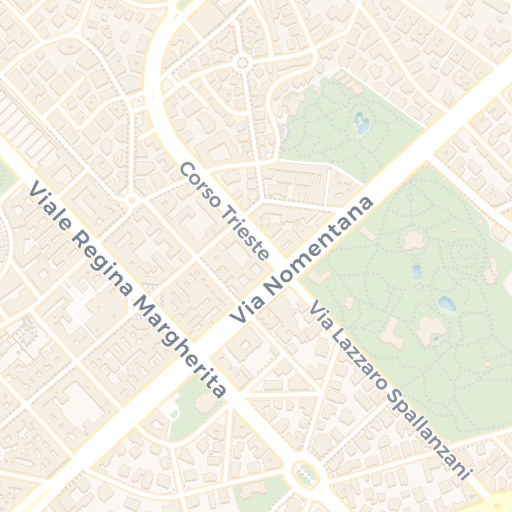
- It is off the centre, between the Salaria and the Nomentana, so it costs a deliberate trip.
- There is no ticket, no desk and no information on site — Turismo Roma publishes no hours and no price because there is nothing to open.
The tactic
Start at the arcone, not at the square. The "arcone" joining the two buildings of the ambassadors, with the great wrought-iron chandelier, is the composed entrance; arriving at piazza Mincio from any other direction throws away the one sequence Coppedè actually designed.
Then stand still in Piazza Mincio. The ensemble of the buildings is articulated around it, and the Fontana delle Rane with its twelve frogs is the hinge. Count them — it is the fastest way to get children looking at architecture.
Find the spider and the asymmetry. Palazzina del Ragno for the great spider on its facade; Villino delle Fate for the total asymmetry and the fusion of marble, brick, travertine, terracotta and glass.
Allow thirty minutes and do not pad it. Forty-three buildings around one square is a short, dense walk, and stretching it to an afternoon is the commonest mistake made here.
Keep your voice down and stay on the street. People live in all of it.
Skip it if you:
- Only have a day or two in Rome. It is a specialist pleasure, away from the centre.
- Want to go inside something. Nothing here is visitable.
- Dislike historicist pastiche. The city's own description includes the word fictitious, and if that already irritates you, it will irritate you here.
Quick facts
- Type: Neighborhood, Modern Architecture, Historic Place, Square/Plazza
- Local name: Quartiere Coppedè (vedi la pagina italiana)
- Built: <span class="timeline-date">1915–1927</span>
- Built by: Gino Coppedè; completed by his son-in-law Paolo Emilio Andrè after his death
- Built for: A private residential development of 26 palazzine and 17 villini
- Architectural style: Liberty and Art Deco with infiltrations of Greek, Gothic, baroque and medieval art
- Not actually a quarter: 26 palazzine and 17 villini between the Salaria and the Nomentana — a development, not a district.
- Twelve frogs and one spider: The Fontana delle Rane in Piazza Mincio, and a great spider on the facade of the Palazzina del Ragno.
Visit responsibly
People live in every building you are photographing. The Coppedè is a complex of 26 palazzine and 17 villini, and there is no ticket, no price and no opening hours precisely because none of it is a visitor attraction — it is housing. Stay on the public street, keep out of entrances and courtyards, don't photograph into windows, and keep voices and group noise down, especially in the evening.
The city is explicit that it is not a quarter. In reality not a true quarter, but a corner of Rome of unexpected and bizarre features. Treating a short residential street as a half-day sight is what turns a pleasant twenty minutes into pressure on the people who live there.
Piazza Mincio is very small. The ensemble of the buildings is articulated around it, and the Fontana delle Rane sits in the central space. A group of twenty occupies the whole thing. Don't sit or climb on the fountain, and leave the twelve frogs alone.
The decoration is fragile and reachable. The great spider on the facade of the Palazzina del Ragno and the marble, brick, travertine, terracotta and glass of the Villino delle Fate are a century old and privately maintained. Don't touch.
Spend something nearby if you can. The quarter generates visitors but no revenue of its own — no ticket, no shop, no desk. The bars and food shops on the surrounding streets are where a visit can actually leave something behind.
Where it is
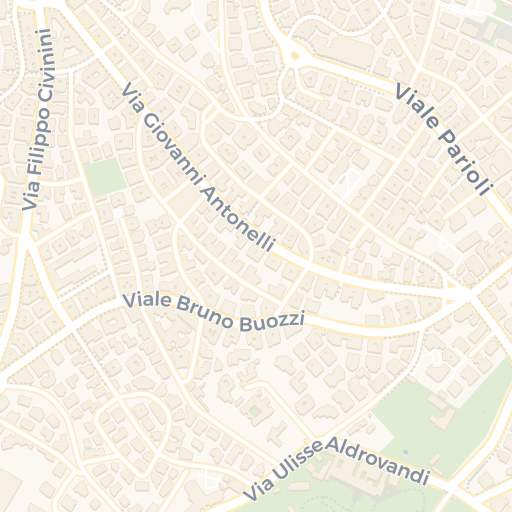
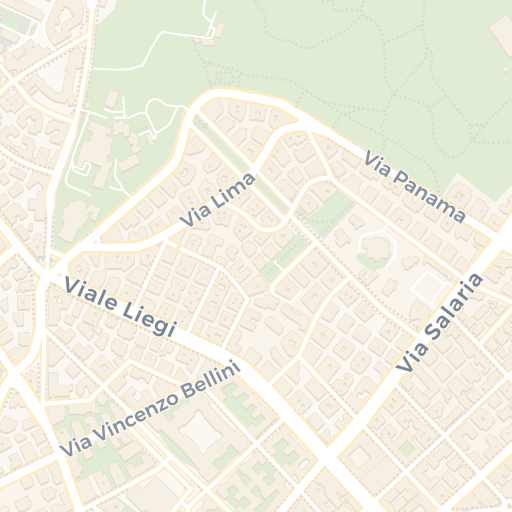
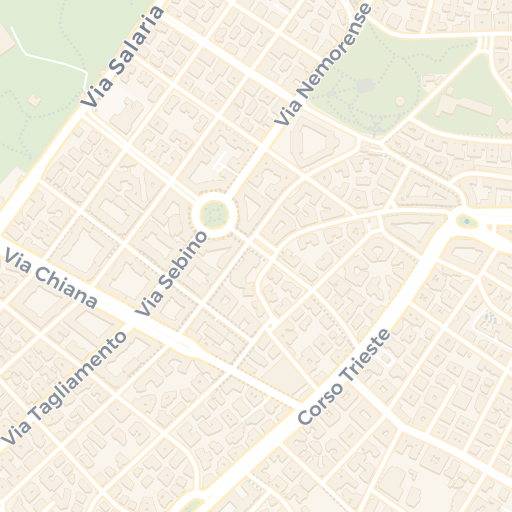
Get directions Open in Apple Maps
© OpenStreetMap contributors · © CARTO · 41.9188, 12.501
Plan your visit
It is free, and there is nothing to open
Turismo Roma publishes no opening hours, no admission price and no ticket link for the Coppedè. The page carries no hours block at all, and that absence is the operational fact: this is public street space among 26 palazzine and 17 villini, not a monument with a door. Nothing is bookable, nothing sells out, and nothing closes.
Where it is, and where to start
Between the Salaria and the Nomentana, articulated around piazza Mincio, a short walk from the historic centre. Begin at the "arcone" joining the two buildings of the ambassadors, with its great wrought-iron chandelier — that arch is the designed entrance, and arriving through it is the difference between seeing the Coppedè and stumbling into it.
What you cannot do
Go inside. The 26 palazzine and 17 villini are private residences; the Palazzina del Ragno and the Villino delle Fate are seen from the street only, and the city's page offers no interior visit of any kind.
Ticket & Pass Decision Matrix
| Option | Cost | What it gets you | Booking | Verdict |
|---|---|---|---|---|
| Walking in from the arcone | Free | The chandelier, Piazza Mincio, the Fontana delle Rane and its twelve frogs, the spider and the Villino delle Fate | None | The whole visit. Thirty minutes, no ticket, no queue. |
| A guided architecture walk | Varies by operator | Commentary on the pastiche and on Coppedè's career; no additional access, since nothing is enterable | Through the operator | Optional. You are paying for explanation, not for entry. |
| Any ticket to the quarter | — | Does not exist. Turismo Roma publishes no price and no ticketing link. | — | If someone sells you one, they are selling you a street. |
Verified against Turismo Roma, October 2026.
When to visit
Any hour of any day. There are no opening hours, no admission price and no ticket, because it is a public street among private houses.
Late afternoon is the best light. The detail that matters here is surface — the superabundant and fantastic decoration, the great spider on the facade, the ironwork of the chandelier — and low raking light reads it far better than midday overhead sun, which flattens everything.
Weekday mornings are the quietest. The Coppedè has become a photographic destination, and piazza Mincio is small enough that a dozen people fill it.
Evening suits the atmosphere, if not the detail. The almost fantastical dimension of this evocative place is what drew Dario Argento to shoot "Inferno" and "L'uccello dalle piume di cristallo" here, and after dark it is obvious why — though the carving disappears.
Rain is not fatal. Everything is exterior, but there is also no shelter and nothing to go into, so a downpour simply ends the visit.
Thirty minutes is enough. Forty-three buildings around one square.