

Basilica of Santa Cecilia in Trastevere
Last updated on October 4, 2026Why visit Basilica of Santa Cecilia in Trastevere
The draw
Rome's best surviving medieval fresco cycle is on the inside of this church's front wall, and almost nobody sees it. Pietro Cavallini's Last Judgement survives on the counter-facade, above the nuns' choir — Christ enthroned among ranks of angels whose wings are painted in bands of rose, green and gold. Below, under the high altar, is Stefano Maderno's marble Saint Cecilia of 1600, lying on her side as he swore the body lay when the tomb was opened the year before. Under the church are Roman rooms with mosaics, and in the presbytery an Arnolfo di Cambio ciborium of 1293.
The friction
The fresco has its own opening hours and they are tiny. Turismo Roma publishes 10.30-12.30 on weekdays and 11.30-12.30 on holidays for the Cavallini — mornings only. The basilica itself opens again in the afternoon; the frescoes do not. Arrive at four in the afternoon and you will see a fine church and miss the thing you came for.
The tactic
Come on a weekday at 10.30 and do the frescoes first. They are reached through the porter's office, which keeps its own hours again. Then the church, the Maderno, and the crypt and excavations underneath, which share the basilica's timetable. Fifty minutes covers all of it, and Trastevere is outside the door when you are done.
Skip it if you:
- Can only come in the afternoon. The Cavallini will be shut. Everything else is open, but you are skipping the reason.
- Dislike being on somebody's schedule. Three published timetables, none of them the same.
- Have already seen the Sistine Chapel today. This is quiet, medieval and small-scale; it will not compete, and does not try to.
- Need certainty about money. Nobody publishes a price for the frescoes or the crypt. Carry change.
Quick facts
- Type: Church, Sacred Place, Historic Place
- Local name: Basilica di Santa Cecilia in Trastevere (vedi la pagina italiana)
- Visitor access: Open to visitors
- Admission: Free
- Reservation: Not required — tickets on the door
- Typical visit: About 50 minutes
- Built: First church probably <time datetime="0250">3rd century</time>; rebuilt by Paschal I in <time datetime="0822">822</time>
- Built for: The titular church of Saint Cecilia, over what tradition holds was her house
- Architectural style: Early Christian basilica, rebuilt in the 9th century and remodelled later; medieval fittings retained
- The frescoes have their own hours: Cavallini is visible 10.30-12.30 on weekdays and 11.30-12.30 on holidays. Never in the afternoon.
- Maderno swore to what he saw: A slab in the pavement quotes his statement that the statue records the body as the tomb revealed it in 1599.
Visit responsibly
It is an enclosed convent as well as a basilica. The frescoes are reached through the porter's office and across property that belongs to a religious community; the separate hours exist because of that, not to be awkward. Keep to the route and the times.
The fresco is a fragment. What survives of Cavallini's Last Judgement is what was protected by being built over. Do not use flash, and do not lean on the choir rail.
Nobody publishes a price, which makes an offering the right instinct. The church, the frescoes and the excavations are maintained by the community that lives here.
Services come first. This is a working titular basilica, and the published hours are arranged around worship rather than visits.
Where it is
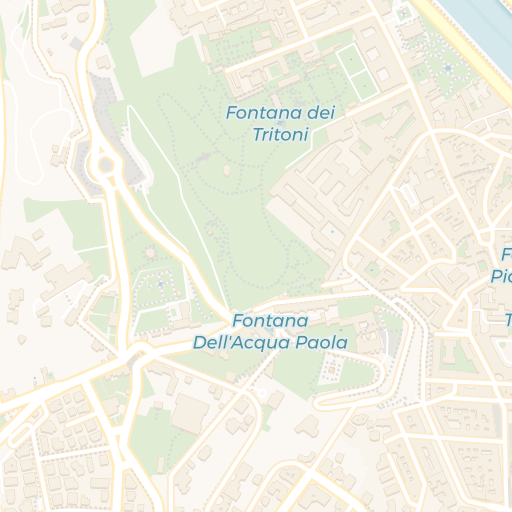
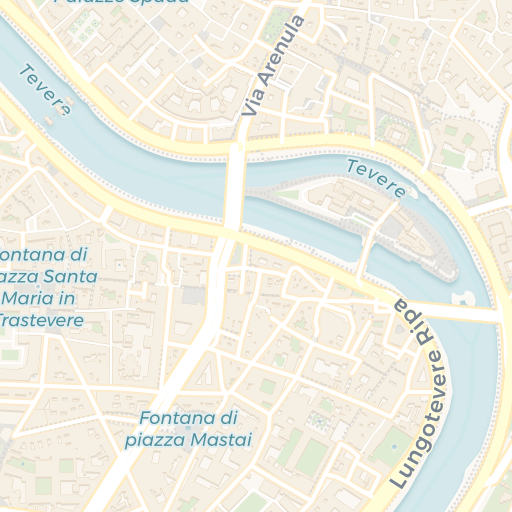
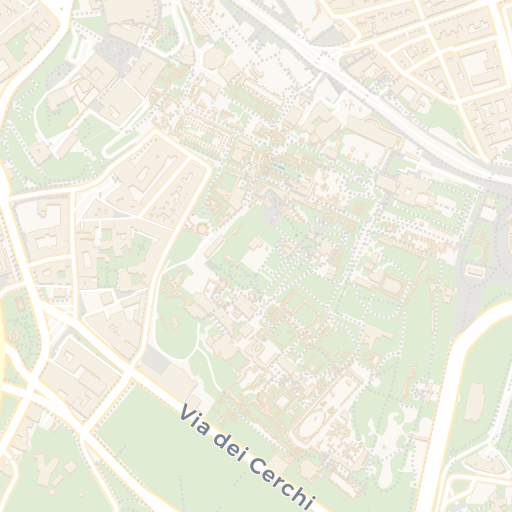

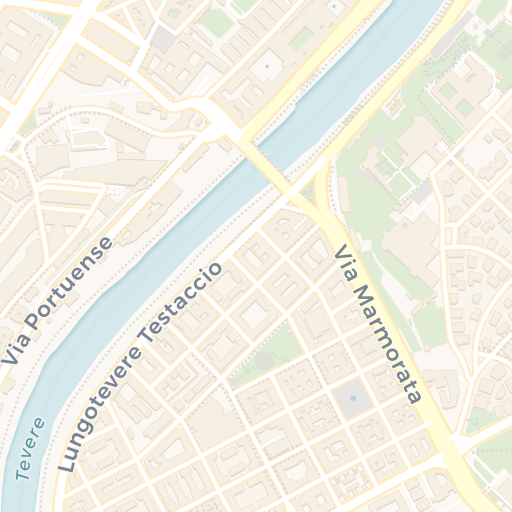
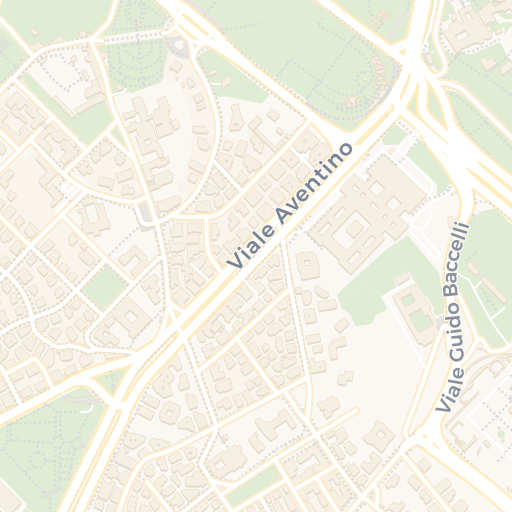
Get directions Open in Apple Maps
© OpenStreetMap contributors · © CARTO · 41.8876, 12.4759
Plan your visit
Admission: Free · NO ADMISSION PRICE IS PUBLISHED by Turismo Roma for the basilica, for the crypt and the archaeological excavations, or for the Cavallini frescoes. Treat a charge at the frescoes or the crypt as possible and carry small change; the page states the absence rather than inventing a figure.
Prices verified October 2026
Best viewpoint: The nuns' choir above the entrance, where the Last Judgement is — it is the only place the fresco can be seen at all, and it is open for two hours on a weekday morning.
Three timetables, and they are not the same
This is the one thing to get right before coming.
- Basilica and crypt / excavations: weekdays 10.00-12.30 and 16.00-18.00; holidays 11.30-12.30 and 16.00-18.00.
- Cavallini frescoes: weekdays 10.30-12.30; holidays 11.30-12.30. Mornings only — there is no afternoon opening for the frescoes.
- Porter's office, through which the frescoes are reached: weekdays 10.00-12.30 and 16.30-18.00; holidays 11.30-12.30 and 16.30-18.00.
An afternoon visit therefore gets you the church, Maderno's statue, Arnolfo's ciborium and the excavations below — and not Cavallini.
Admission
No price is published. Turismo Roma lists no admission for the basilica, for the crypt and excavations, or for the frescoes. That is the published position; it is not a guarantee that every part is free, so carry small change for the frescoes and the crypt.
What is free
The basilica itself, on the published position — there is no admission listed for the church, and the courtyard in front of it, with its cantharus, is open when the church is.
Trastevere outside the door costs nothing and is the reason many people are in this quarter at all. If the timetable has defeated you, the church's forecourt and the surrounding streets are a reasonable consolation and the frescoes will still be there on a weekday morning.
How long
About 50 minutes for the frescoes, the church and the excavations together.
Verified against Turismo Roma, October 2026.
When to visit
A weekday morning, arriving at 10.30. That is when the Cavallini window opens, and it is only two hours long. On holidays the same window shrinks to a single hour, 11.30-12.30, which is also when the basilica reopens — so a Sunday visit means doing everything at once in sixty minutes.
The afternoon is for the church, not the fresco. From 16.00 the basilica and the excavations are open again and Cavallini is not.
Trastevere is at its quietest in the morning and its busiest after dark, so the hour that works for the frescoes is also the hour the quarter is most pleasant to walk through.