

Basilica of Sant’Agnese fuori le Mura
Last updated on October 5, 2026Why visit Basilica of Sant’Agnese fuori le Mura
The draw
A twelve-year-old martyr is shown as a Byzantine sovereign, in gold, and almost nobody comes to see it. The 7th-century mosaic in the apse basin portrays Saint Agnes as an Eastern empress on a gold ground, flanked by the popes Symmachus and Honorius I, and Turismo Roma calls it one of the highest examples of Byzantine art in Rome.
The building is early Christian and largely intact. Built in 324 at the wish of Costanza, daughter of the Emperor Constantine, above the ruins of a cemetery and of the catacombs holding the saint, it represents one of the most intact and distinguished examples of an ancient Christian basilica — three naves on fourteen ancient columns with Corinthian capitals.
And you reach it by going down. A wide marble staircase of 1590 descends to the narthex, its walls set with stone fragments and architectural pieces coming from the catacombs — an entrance sequence unlike any other church in the city.
The Mausoleum of Santa Costanza is in the same complex, one of the most important monuments of late-antique architecture, with 4th-century mosaics on its ambulatory vault.
The friction
- No opening hours and no price are published. Turismo Roma refers visitors to the official site, and gives nothing else.
- It is outside the walls, on the Via Nomentana, north-east of the centre.
- The entrance is a long flight of steps, downwards.
- The best thing is in the apse, at the far end and high up, where the light is not always generous.
The tactic
Check the official site before you set out. That is the city’s only published instruction for this complex, and there is no fallback timetable.
Take the staircase slowly and read the walls. The 1590 descent is lined with stone fragments and architectural pieces from the catacombs — material lifted out of the ground the church was built over.
Go straight to the apse and look up. The gold ground, the empress’s dress, the two popes: that mosaic is the one thing here that exists nowhere else.
Do both monuments in one trip. The Mausoleum of Santa Costanza stands close against the great cemeterial basilica in the same complex, and its narthex with two apses was built precisely as the link between them.
Find the cippus on the way out. Just outside the complex is the cippus dedicated to the victims of the Breccia di Porta Pia — the 1870 assault that ended papal Rome, a few streets away.
Skip it if you:
- Cannot manage a long staircase. The main approach descends to the narthex.
- Need a guaranteed opening time. None is published.
- Are staying inside the centre. This is a trip up the Nomentana.
Quick facts
- Type: Church, Sacred Place, Historic Place
- Local name: Basilica di Sant’Agnese fuori le Mura (vedi la pagina italiana)
- Built: Built in <time datetime="0324">324</time>; staircase of <time datetime="1590">1590</time>
- Built by: Costanza, daughter of the Emperor Constantine; rebuilt for Pope Honorius I
- Built for: A basilica over the cemetery and catacombs holding the remains of Saint Agnes
- Architectural style: Early Christian basilica with three naves, matronei and a 7th-century apse mosaic
- A martyr dressed as an empress: The 7th-century apse mosaic shows Saint Agnes on gold as an Eastern empress between the popes Symmachus and Honorius I.
- You go down to go in: A wide marble staircase of 1590 descends to the narthex, its walls set with stone and architectural fragments from the catacombs.
Visit responsibly
You are standing over a cemetery. The basilica was built above the ruins of a cemetery and of the catacombs which held the remains of the Saint — the burial ground is not a backdrop to the church, it is what the church is for.
The fragments in the staircase came out of that ground. The stone fragments and architectural pieces set into the walls of the 1590 descent come from the catacombs. They are grave markers and building elements lifted from a burial site.
The mosaic is 7th-century and irreplaceable. Flash and crowding in a small apse do real harm to gold-ground mosaic; it is also, in the city’s own judgement, one of the highest examples of Byzantine art in Rome.
It is a working church. The complex is in religious use, and the city publishes no visiting hours precisely because access follows the community’s own calendar.
Treat the Santa Costanza mausoleum as a tomb. It was erected by Costantina close against the great cemeterial basilica as her own burial place.
Where it is
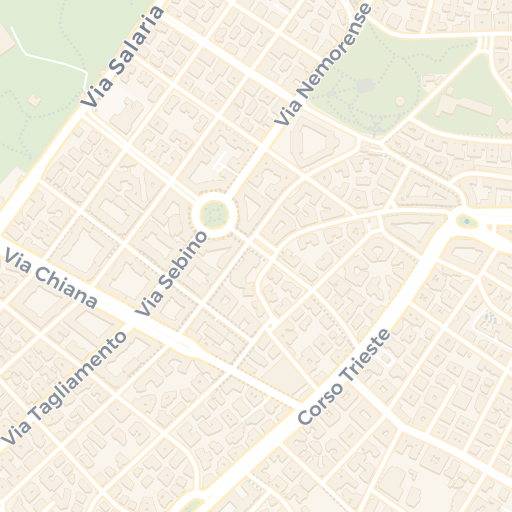
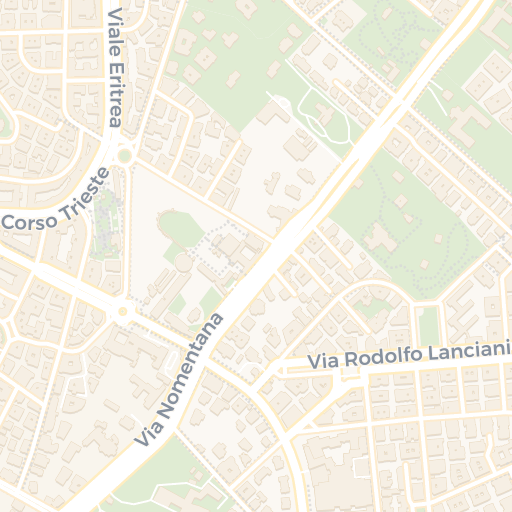
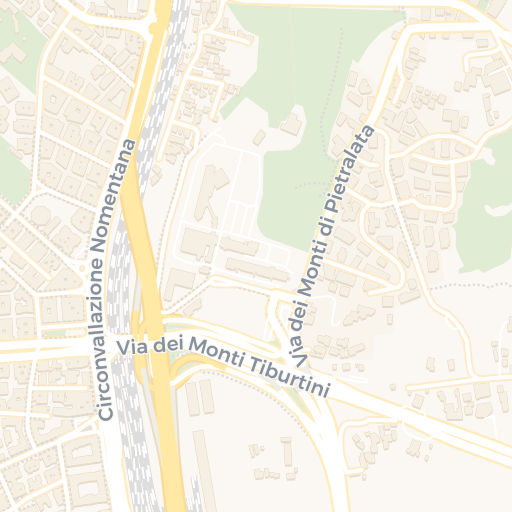
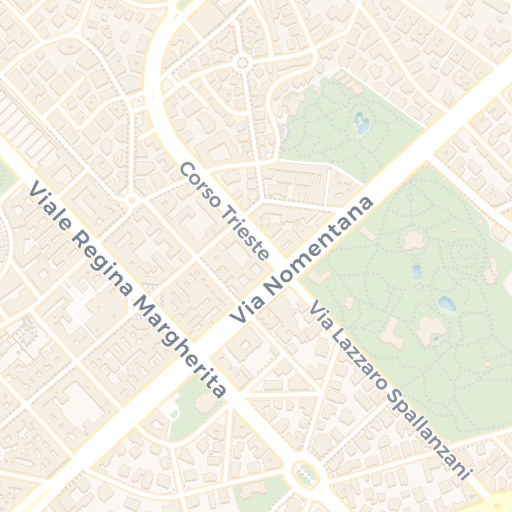
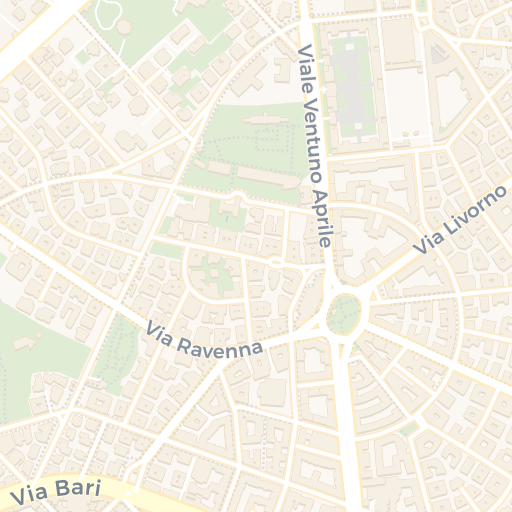
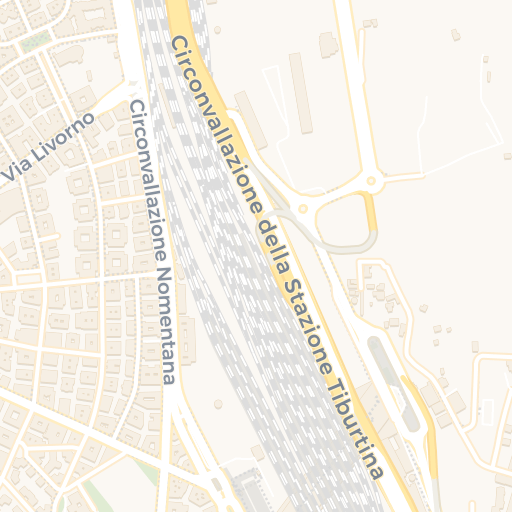
Get directions Open in Apple Maps
© OpenStreetMap contributors · © CARTO · 41.9225, 12.5187
Plan your visit
No hours and no price are published
For the whole complex of Sant’Agnese fuori le Mura and the Mausoleum of Santa Costanza, Turismo Roma publishes a single line: consult the official site for access times and visit information. There is no opening timetable and no admission price on the city’s page, which makes checking before travelling the only sensible approach.
What is in the complex
- The basilica, with its 7th-century apse mosaic of Saint Agnes as an Eastern empress between the popes Symmachus and Honorius I.
- The narthex, reached by the wide marble staircase of 1590 lined with fragments from the catacombs.
- The Mausoleum of Santa Costanza, close against the great cemeterial basilica.
- The cippus to the victims of the Breccia di Porta Pia, just outside.
Where it is
Via Nomentana 349, north-east of the centre and outside the ancient walls — a deliberate journey, and one that takes in two monuments at once.
Ticket & Pass Decision Matrix
| Option | Cost | What it gets you | Booking | Verdict |
|---|---|---|---|---|
| The basilica | Not published | The three naves, the fourteen antique columns, the gold apse mosaic | Check the official site | The reason to come. The mosaic is the single best thing here. |
| Basilica + Mausoleum of Santa Costanza | Not published | Both monuments of the complex, built as one piece of planning | Same site | Do both. They were designed to be linked, and you are already out here. |
| The staircase and narthex | Not published | The 1590 descent and the catacomb fragments in its walls | Same site | Part of the approach — give it more than a glance on the way past. |
| Turning up unchecked | — | Possibly nothing. No hours are published anywhere on the city’s page. | — | Check first. It is a long way to come on a guess. |
Verified against Turismo Roma, October 2026.
When to visit
Only after checking the official site. Turismo Roma publishes no access times at all for this complex and refers visitors there for both hours and visiting information — so the date is not something to decide unaided.
Daylight, for the mosaic. The 7th-century apse mosaic is gold-ground work high in a half-dome; it needs whatever natural light the basilica gets, and it is the whole reason for the journey.
Allow time for two monuments. The Mausoleum of Santa Costanza stands in the same complex, and seeing only one of them wastes the trip up the Nomentana.
Any season — it is indoors and very quiet. This is among the least-visited major early Christian churches in Rome.
Dry weather helps the approach. The marble staircase of 1590 is long, and it goes down.