

Via Appia Antica and its Regional Park
Last updated on October 5, 2026Why visit Via Appia Antica and its Regional Park
The draw
It is the Queen of roads, and you can walk on it. Turismo Roma calls the Via Appia Antica the most important and famous road of ancient Rome, defined already by the ancients as the Queen of roads, and since it has carried UNESCO World Heritage inscription in its own right.
The original Roman paving is still there. Not reproduction, not museum display: between the Circus of Maxentius, the Mausoleum of Cecilia Metella and the ring road, the original basolato survives for long stretches, lined with the monumental tombs of people who wanted to be seen by everyone entering Rome.
And it is a landscape, not a monument. The park runs to about 3,500 hectares across Rome, Ciampino and Marino, taking in the Caffarella valley and the Parco degli Acquedotti, where — in the city's own words — as centuries ago, flocks of sheep can still be seen grazing around the imposing arches.
The friction
- On a normal weekday it is a road with cars on it. The city publishes the closure only for giorni festivi.
- The famous first stretch is walled. From Porta San Sebastiano to the Belvedere di Cecilia Metella the Appia is shut in on both sides by the walls of post-Renaissance estates — handsome, but you are walking between barriers, not across countryside.
- It is 16 kilometres long. Nothing about it is a short visit, and the good paving starts at the far end of the walled section.
- Everything with a roof costs extra. The catacombs of San Callisto and San Sebastiano, the Circus of Maxentius, the Mausoleum of Cecilia Metella and the Villa dei Quintili are separately ticketed, and the park page gives no prices for them.
The tactic
Come on a holiday or a Sunday. Turismo Roma states that the Via Appia is closed to traffic on giorni festivi and is then the ideal place for walks on foot or by bicycle. That single sentence is the difference between an atmospheric day and dodging traffic in a walled lane.
Start past Cecilia Metella if you came for the Roman road. The surviving original basolato is recorded in the stretch between the Circus of Maxentius, the Mausoleum and the Grande Raccordo Anulare — walkers who turn back at the Mausoleum turn back just before the best of it.
Take a bicycle. Sixteen kilometres of road plus the Caffarella valley and the aqueducts is not a walking distance for most people; the city names cycling alongside walking for exactly that reason.
Begin at the Cartiera Latina if you want a guide. The park headquarters at Via Appia Antica 42 is the departure point for guided visits.
Treat the Parco degli Acquedotti as a separate outing. It lies between the Appia Nuova and the via Tuscolana — same park, different landscape, and reached from a different side of the city.
Skip it if you:
- Only have a free hour. This is a half-day at minimum.
- Cannot walk on rough stone. The attraction here is an uneven ancient surface.
- Can only come on a working weekday and dislike traffic. The closure that makes the road pleasant applies to holidays.
Quick facts
- Type: Street/Avenue, Scenic Route/Trail, Roman, Historic Place
- Local name: Via Appia Antica e il suo Parco Regionale (vedi la pagina italiana)
- Built: The road of ancient Rome; the park established <time datetime="1988-11-10">10 November 1988</time>
- Built by: The ancient Romans; the park by Regional Law 10 November 1988 no. 66
- Built for: The most important and famous road of ancient Rome — called by the ancients the Queen of roads
- Architectural style: Roman basolato paving, monumental roadside tombs, aqueduct arcades and Agro Romano farmland
- World Heritage only since 2024: On 27 July 2024 "Via Appia. Regina Viarum" was inscribed on the UNESCO World Heritage list.
- The ancient road is shut to cars on holidays: Turismo Roma states it plainly: on giorni festivi the Via Appia Antica is closed to traffic, which is what makes walking and cycling it possible.
Visit responsibly
You are walking on the original Roman surface. Where the basolato survives for long stretches, it is the ancient paving itself — not a reconstruction, and not replaceable. Stay on the road where there is a road, and off the loose edges of the blocks.
The tombs are not scenery to climb. The archaeological evidence along the route is mainly monumental tombs, many reduced to exposed brick-and-rubble cores that are structurally fragile and were raised over human burials.
It is farmland in use. The park takes in the great estates of the Agro Romano, and in the aqueduct area flocks of sheep still graze around the arches exactly as they did centuries ago. Gates, stock and growing crops belong to people working the land.
Come by bike or on foot, especially on a holiday. The road is closed to traffic on giorni festivi and the city names walking and cycling as the way to see it; driving a protected 16-kilometre archaeological corridor is the one choice that works against it.
The park exists because someone legislated for it. Regional Law 10 November 1988 no. 66 was passed to safeguard and give value to this immense historical and naturalistic heritage — this landscape survives on the city's edge by decision, not by accident.
Take your rubbish out. There is no gate, no admission and no permanent staff across most of 3,500 hectares; nothing here is tidied up behind you.
Where it is
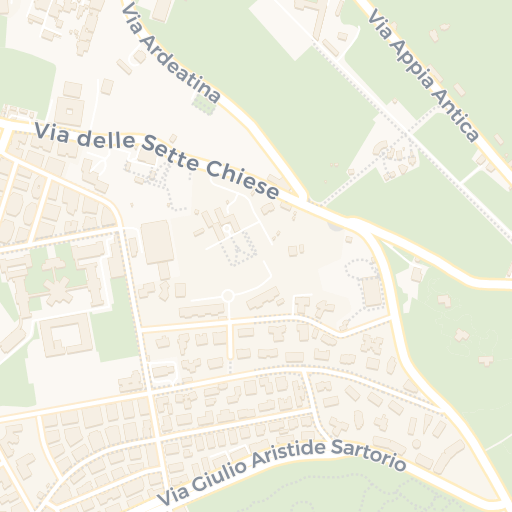
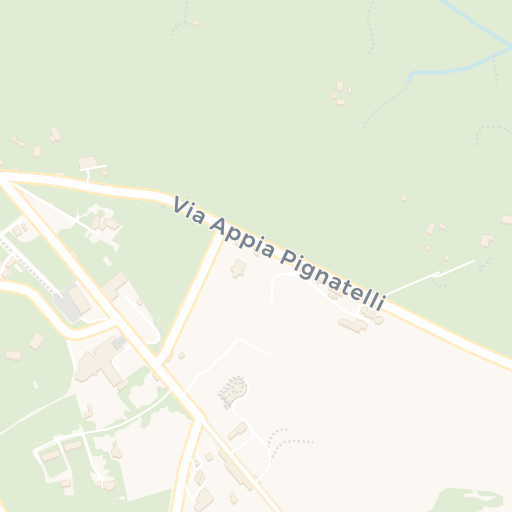
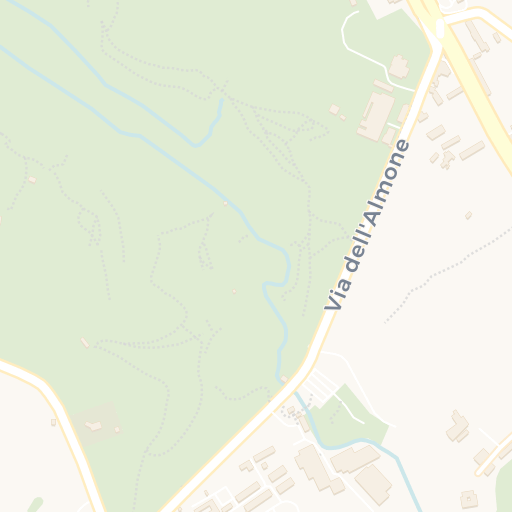
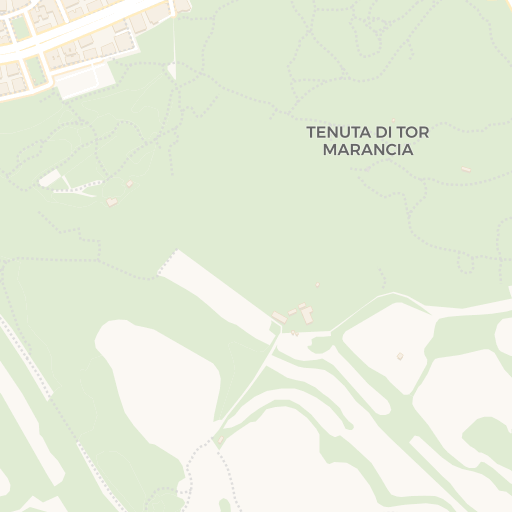
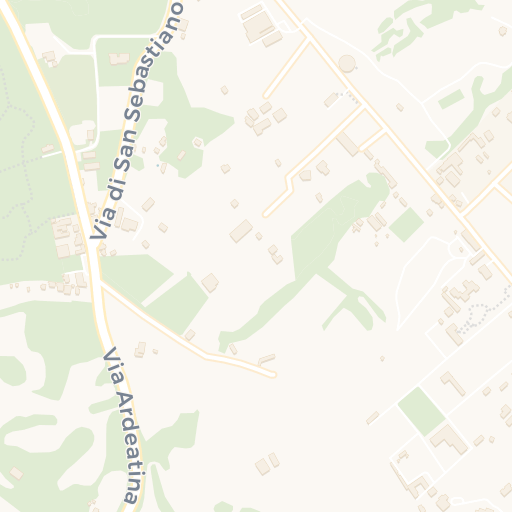
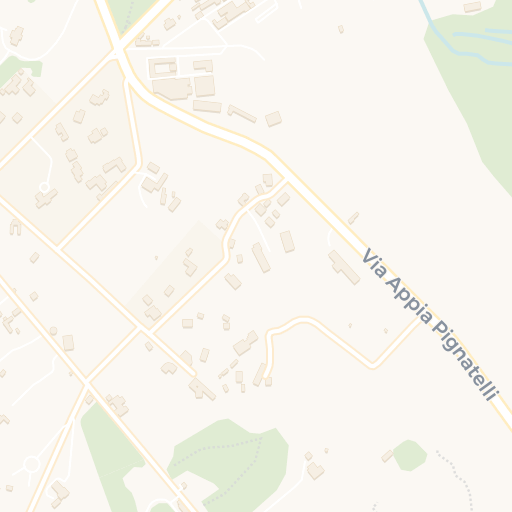
Get directions Open in Apple Maps
© OpenStreetMap contributors · © CARTO · 41.8525, 12.5177
Plan your visit
The park is free, and the monuments inside it are not
The Parco Regionale dell'Appia Antica is open landscape crossed by a public road: no ticket, no booking, nothing to reserve. Turismo Roma publishes no opening hours for it at all, which is consistent with what it is.
What costs money is everything with a roof or a fence: the catacombs of San Callisto and San Sebastiano, the Circus of Maxentius, the Mausoleum of Cecilia Metella and the Villa dei Quintili are separately ticketed, and the city's park page carries no price for any of them.
The one timing fact that matters
The Via Appia is closed to traffic on holidays — giorni festivi — and Turismo Roma names this as what makes it the ideal place for walks on foot or by bicycle. There is no other published schedule to work around.
Where to start
- Porta San Sebastiano, in the Aurelian Walls, is where the road leaves the city and the park begins.
- The ex Cartiera Latina, Via Appia Antica 42, is the park headquarters and the departure point for guided visits.
- Beyond the Mausoleum of Cecilia Metella is where the original Roman paving starts to run for long stretches.
How big it actually is
About 3,500 hectares, 16 kilometres of road and its surroundings, across three comuni — Rome, Ciampino and Marino. The park also contains the valle della Caffarella, the via Latina archaeological area and the Parco degli Acquedotti, the last of which is reached from the far side, between the Appia Nuova and the via Tuscolana.
Ticket & Pass Decision Matrix
| Option | Cost | What it gets you | Booking | Verdict |
|---|---|---|---|---|
| Walking the road on a holiday | Free | The road closed to traffic, the tombs, the basolato, the landscape | None | The visit. Everything else is optional. |
| Walking it on a working day | Free | The same road, shared with cars on a narrow walled lane | None | Possible, markedly less pleasant, and the city's own advice points the other way. |
| Cycling it | Free, plus hire | The 16 km, the Caffarella and the far stretches in one outing | None for the park | The sensible way to see the scale of it, and named by the city alongside walking. |
| A guided visit from the Cartiera Latina | Not published | A led route from the park's own headquarters | Enquire — info@parcoappiaantica.it | Worth asking about; the city gives the departure point but no schedule or price. |
| Catacombs, Circus of Maxentius, Cecilia Metella, Villa dei Quintili | Separate tickets, prices not published here | The interiors and enclosed sites along the route | Check each operator | Pick one or two. Attempting all of them turns a landscape day into a queueing day. |
| Parco degli Acquedotti | Free | Aqueduct arcades, open pasture, grazing sheep | None | A separate outing on the other side of the park — do not plan it as an add-on to the road. |
Verified against Turismo Roma, October 2026.
When to visit
A holiday or a Sunday, above everything else. Turismo Roma states that the Via Appia is closed to traffic on giorni festivi, and that this is what makes it ideal for walking or cycling. On any other day you are sharing a narrow walled road with cars.
Early morning or late afternoon. The road runs dead straight, so a low sun travels right down it and the basalt and the tombs take long shadows — and in summer there is almost no shade on the open stretches past Cecilia Metella.
Spring and autumn suit the landscape. This is Agro Romano farmland, not a paved site: it is green and grazed in spring, and the going is kinder than on a hot day across open country.
Allow a half day at least. 16 kilometres of road inside 3,500 hectares cannot be sampled in an hour, and the original basolato only begins beyond the Mausoleum of Cecilia Metella.
Treat the Parco degli Acquedotti as its own trip. It lies between the Appia Nuova and the via Tuscolana, on the other side of the park from the road.