

Roman Amphitheatre of Sutri
Last updated on October 8, 2026Why visit Roman Amphitheatre of Sutri
Most Roman amphitheatres were built up out of the ground. Sutri's was cut down into it: the full ellipse, the arena floor and every tier of seating, carved out of the tuff of the hill the town stands on, about 49 by 40 metres. There is no masonry to have been quarried away, which is why it is complete -- a Roman arena with no missing half. It is still used: fireworks and a torchlight procession on 17 September, a medieval fair in late July, concerts in summer.
Visit if you:
- want to see subtractive architecture at Roman scale -- a building made by removing rock rather than stacking it
- like an amphitheatre you can read whole, without reconstructing the lost side in your head
- are already on the Via Cassia between Rome and Viterbo and want something that takes an hour
- can time it for the Mercatantia in late July or the 17 September torchlight, when the arena is in use
Skip it if you:
- are looking for the scale of the Colosseum: this is a provincial arena, and a small one
- want it quiet in late July, when a three-day medieval festival takes over the archaeological park
- cannot manage uneven rock-cut steps and tiers
Quick facts
- Type: Roman, Ruins, Historic Place
- Local name: Anfiteatro romano di Sutri (vedi la pagina italiana)
- Visitor access: Guided tours only
- Architectural style: Roman, rock-cut
- Size: about 49 x 40 m, elliptical
Visit responsibly
Tuff is the softest building stone in common Roman use, and here it is not cladding -- it is the whole structure. Every tier of seating is a worked edge of living rock, and a worked edge in soft stone rounds off under traffic. There is no masonry to replace, because nothing was ever laid: what wears away is the monument itself.
The same material carries the rest of the site. The Etruscan necropolis is dozens of tombs cut in the cliff; the Madonna del Parto is a church made inside one of them, possibly over a Mithraeum. These are excavated spaces, which means their walls are also their roofs.
The arena is a venue as well as a ruin, and that is a choice the town keeps making -- fireworks and a torchlight procession inside it on 17 September, a three-day medieval festival in the park in July, summer concerts. Using an ancient building is how it stays part of the place rather than becoming a fenced exhibit; it also means a visitor should take the staging, barriers and closures that come with an event seriously.
Sutri is a comune of under 7,000 people that declined sharply after 1433, when trade shifted to the Via Cimina and Ronciglione, and spent centuries as a minor rural town of the Papal State. It joined I Borghi più belli d'Italia only in October 2019. The seven-hectare park and the museum opened in 2018 are a small place investing in what it has.
Where it is
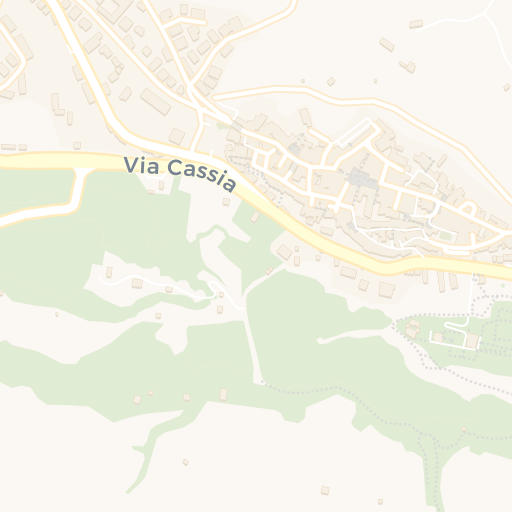
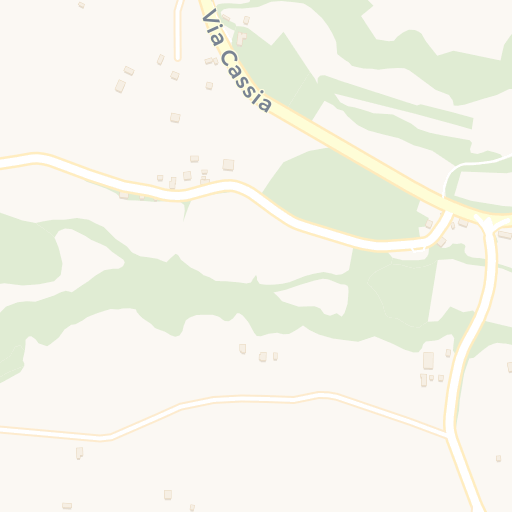
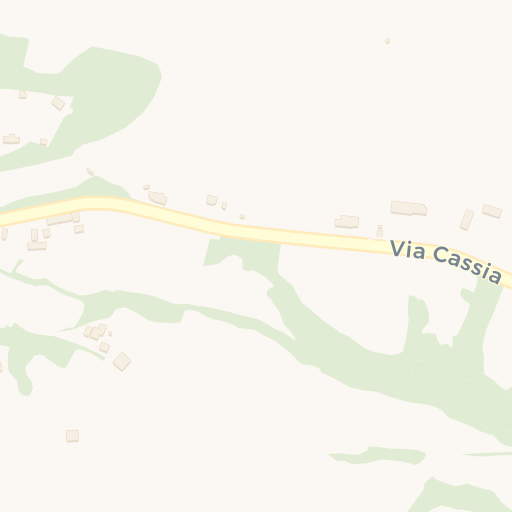
Get directions Open in Apple Maps
© OpenStreetMap contributors · © CARTO · 42.23896, 12.22912
Plan your visit
The amphitheatre has no ticket of its own. It is entered on a guided visit included in the Sutri Pass, 17 euros, a single ticket published by the operator of the town's museum that covers the archaeological park together with Palazzo Doebbing. The park visit runs to a booked time, so arrange it rather than turning up, and the pass is sold only when both sites are open. Groups wanting a guided visit of the museum as well pay 2 euros extra per person. Bookings and queries: museopalazzodoebbing@gmail.com, sutri.archeoares@gmail.com, tel 0761 156 4320, and the pass can be bought online.
Palazzo Doebbing's own hours set the practical window, since the pass needs both sites open: from 15 November 2025 it opens Friday to Sunday, 10:00-13:00 and 15:00-18:00, and on public holidays. Its separate museum admission is 10 euros full and 8 reduced -- groups from twenty people, 12- to 18-year-olds, a carer accompanying a visitor with a disability, and Sutri residents with proof of residence. Entry is free for visitors under 12, for anyone with certified invalidity above 74 per cent, and for accredited journalists, licensed guides and teachers.
The arena itself is the centrepiece of the Parco dell'Antichissima Città di Sutri, seven hectares of naturalistic and archaeological ground at the foot of the town, below the tuff rise the historic centre stands on -- so reaching it means going down from the centre rather than up into it. It is an elliptical arena of about 49 by 40 metres, cut entirely out of the rock. Expect uneven rock-cut tiers underfoot and no shade.
Check the dates too, because this arena is used. Fireworks and a torchlight procession are held inside it on the evening of 17 September, in the week of 16 September, the feast of the town's patron Santa Dolcissima. The Mercatantia, a three-day medieval festival, runs Friday to Sunday across the archaeological park in the last weeks of July. Festival Barocco concerts play here in summer, often free, and at Christmas the town's living nativity is staged in the rock-cut necropolis instead.
Three other rock-cut sites sit within walking distance and share the same tuff: the Etruscan necropolis, the church of the Madonna del Parto in the cliffs opposite the town to the south, and the catacomb of San Giovenale. The Duomo's Lombard crypt -- seven naves on twenty columns of mixed origin -- and its belltower of 1207 are up in the centre.
Verified against Museo di Palazzo Doebbing, Sutri (Archeoares), October 2026.
When to visit
Three dates put something in the arena. The week containing 16 September is the festival of Santa Dolcissima, the town's patron, and on the evening of 17 September a fireworks display and a torchlight procession are held inside the amphitheatre -- the one night of the year the building is lit from within. The Mercatantia, a medieval festival of games, duels, shows and re-enactments, runs Friday to Sunday in the last weeks of July across the archaeological park of the amphitheatre. And the Tuscia Viterbese Festival Barocco plays concerts here through the summer, often free, sometimes in the arena and sometimes at Villa Savorelli or the church of San Francesco.
If you want the amphitheatre empty, avoid those. April to June and September to October are the comfortable months on an exposed tuff site in a climate Sutri's own classification puts in zone D; July and August are hot and, in the last weeks of July, busy. Two other fixtures are worth knowing: 17 January, Sant'Antonio abate, brings a horse parade and a palio the following Sunday, and the Corpus Domini infiorata in June carpets the main street with flowers. At Christmas the living nativity is staged in the rock-cut necropolis rather than the arena.