

Cinque Terre
Last updated on September 29, 2026Overview
Cinque Terre is a stretch of the Italian Riviera made up of five villages built into steep cliffs above the Ligurian Sea: Monterosso al Mare, Vernazza, Corniglia, Manarola, and Riomaggiore. The name means "five lands" in Italian, and for centuries the villages were reachable mainly by boat or footpath rather than by road.

The whole stretch -- villages, terraced vineyards, and surrounding hillsides -- is protected as a UNESCO World Heritage Site and a national park, Italy's smallest by area. A coastal railway now connects all five villages directly, making them one of the most accessible short trips from Genoa in the Liguria region.
Quick facts
- Type: Nature
- Visitor access: Open to visitors
- Built: 11th century onward
- Architectural style: Ligurian coastal village
- UNESCO inscription: 1997
- National park established: 1999
- UNESCO World Heritage Site: Yes
Visit responsibly
Cinque Terre's trails see far more foot traffic than they were built for, and heavy use has contributed to erosion and periodic landslide closures on sections of the coastal path -- buying a Cinque Terre Card, which funds trail maintenance directly, is one of the more concrete ways a visit supports the infrastructure it relies on.
The villages are small, and cruise-ship day-trip crowds concentrated around midday can overwhelm streets built for a fraction of that volume -- visitors staying overnight, or timing a visit for early morning or late afternoon, ease pressure on the busiest hours and put more of their spending directly into the local economy rather than a cruise line's.
The terraced hillsides that define Cinque Terre's landscape require constant upkeep to prevent erosion, and many terraces have been abandoned as agricultural work has given way to tourism -- several local organizations run volunteer terrace-restoration programs for visitors who want a more hands-on way to support the area.
Cinque Terre's waters are part of a protected Marine Protected Area -- following posted rules around swimming, diving, and boat access in restricted zones helps protect a coastline under real pressure from its own popularity.
Where it is
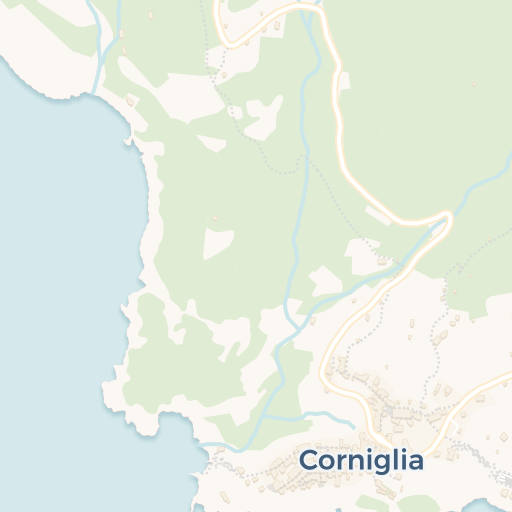
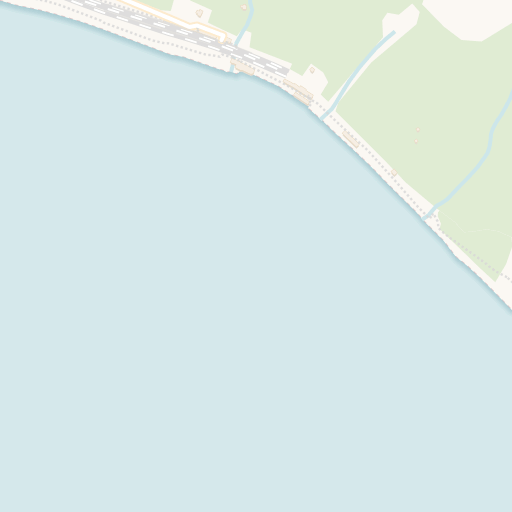
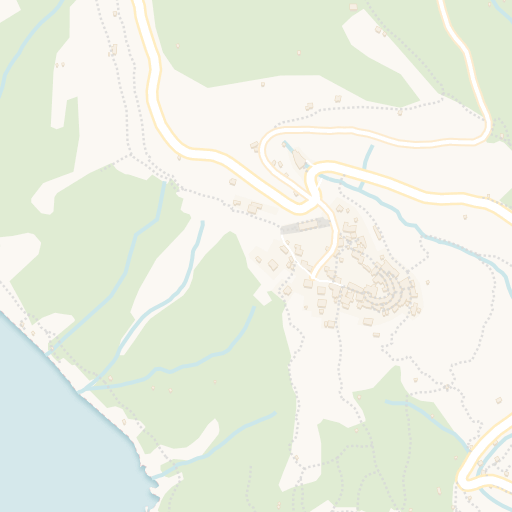
Get directions Open in Apple Maps
© OpenStreetMap contributors · © CARTO · 44.12221, 9.71325
Plan your visit
A Cinque Terre Card covers access to the coastal trails, unlimited local trains between the five villages, and buses -- worth buying for almost any visit longer than a single village stop, since trail sections charge separate entry fees without it.
The train is the easiest way to move between villages -- frequent, cheap, and far faster than the trails themselves, which range from an easy stroll to a genuinely strenuous hike depending on the section and current closures. In season, ferries also connect most of the villages by sea (Corniglia has no dock, so it's skipped), a scenic alternative to the train.

Driving is not recommended -- village roads are narrow, parking is extremely limited, and several villages restrict vehicle access to residents entirely. Most visitors park in La Spezia or Levanto and take the train in.
When to visit
Spring (April-June) and early autumn (September-October) are the best times to visit -- mild weather, manageable crowds, and the coastal trails in their best hiking condition.
Summer (July-August) is Cinque Terre's busiest and hottest stretch, with heavy day-tripper traffic (including cruise ship passengers) concentrated around midday -- villages feel calmest early morning or after most day-trippers have left in the late afternoon.
Winter (November-March) is quiet and cool, with some trail sections, restaurants, and accommodations closed for the season -- a genuine off-season experience for visitors who don't mind fewer open services.