

Basilica di San Biagio, Finalborgo
Last updated on October 19, 2026Why visit Basilica di San Biagio, Finalborgo
Because they demolished the church and left the bell tower standing, then built the new one sideways around it.
The draw is a building that records its own replacement. The Gothic basilica of 1372-1375 was damaged, outgrown and almost entirely demolished in the mid-seventeenth century — but the new church, built 1633-1650 by Andrea Storace, has its plan rotated ninety degrees, keeps the original octagonal campanile with its slender bifore, and leaves the Gothic apse and apsidal chapels partly standing in the narrow gap between it and the town wall.
The friction is that nobody publishes when it is open. It is a working parish church of the vicariate of Finale Ligure-Noli, and no Mass time, opening hour or admission appears in anything readable.
The smart way is to go in knowing most of it is stolen goods. A good part of the furnishing came from the convent of Santa Caterina up the street when that was confiscated — by Napoleon, then by the Italian government in 1864. Look for the high altar of 1799, whose marble drape is carved to look like embroidered cloth, and for the saint who was repainted into another saint.
Quick facts
- Type: Church, Sacred Place, Historic Place
- Local name: Basilica di San Biagio, Finalborgo (vedi la pagina italiana)
- Built: First documented 1261 outside the walls; rebuilt inside them 1372-1375 in Gothic; the present church 1633-1650 by Andrea Storace, keeping the octagonal campanile and part of the Gothic apse; minor basilica since April 1949
- Designed by: Andrea Storace (1633-1650); Pasquale Bocciardo (pulpit 1764-65, presbytery balustrade and high altar 1799); Girolamo Bocciardo (font 1798)
- Architectural style: Baroque on a Latin-cross plan, three naves with a central dome, set at ninety degrees to the Gothic church it replaced and retaining its octagonal bell tower with slender bifore
Visit responsibly
It is in use, so the first courtesy is the obvious one. Keep out of services unless you are attending, keep quiet, and ask before photographing. No flash near the early frescoes or the painted surfaces.
Much of what you are looking at is displaced property. A good part of the furnishing came from the confiscated convent of Santa Caterina. Seeing both buildings in one visit is the honest way to read either, and the museum ticket supports the one that lost its contents.
The Gothic remnant behind is fragile and easy to miss. The old apse and apsidal chapels survive only partly, in the narrow space between the church and the town wall. It is a gap, not a path.
The borgo is residential. Finalborgo is small, enclosed and lived in; leave the car in the paid or disc-timed parks outside the gates or the free Municipio park, and cross on foot.
Where it is
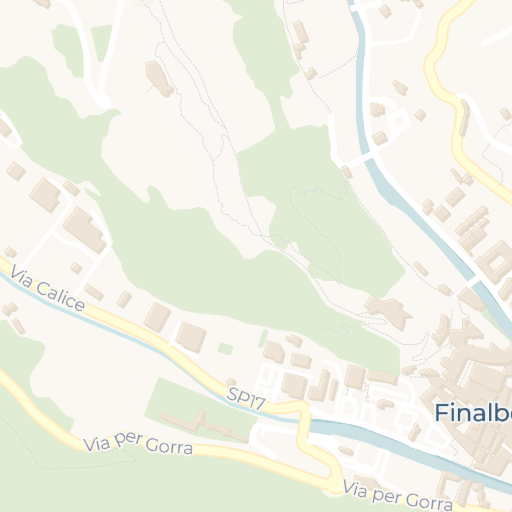
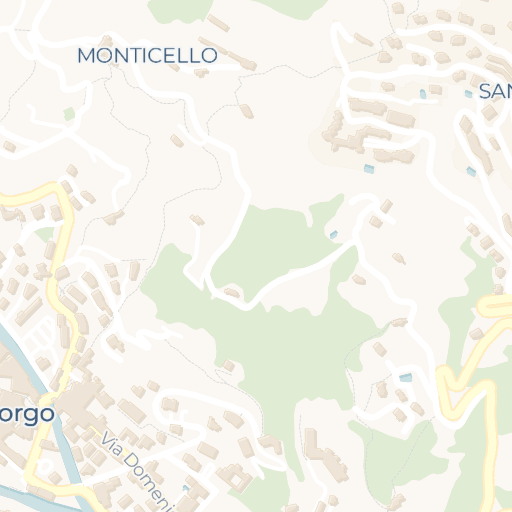
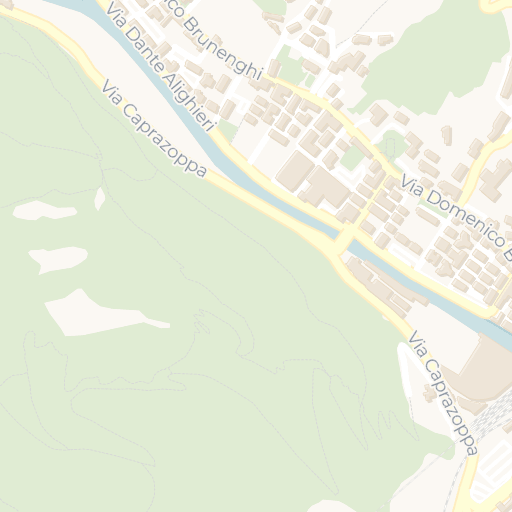
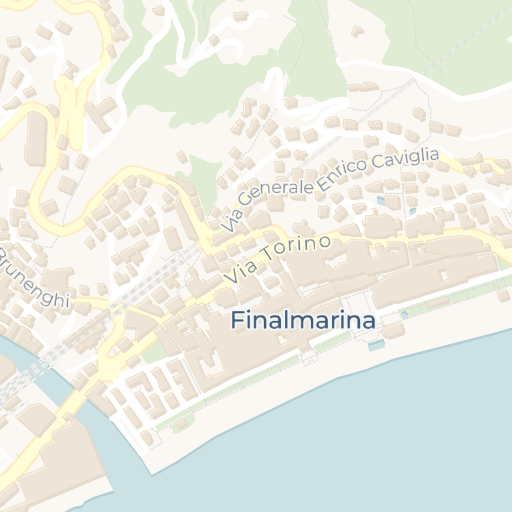
Get directions Open in Apple Maps
© OpenStreetMap contributors · © CARTO · 44.17567, 8.32827
Plan your visit
No opening hour, Mass time or admission is published by anything readable, and that is stated rather than papered over. This is a working parish church of the vicariate of Finale Ligure-Noli in the diocese of Savona-Noli; a diocesan or parish page would be the authority and none could be reached while this entry was written.
The comune publishes nothing, and the local museum does not run it. The Comune di Finale Ligure (Via Pertica 29, switchboard 019 689011) publishes no hour or admission for any building in the comune. The Museo Archeologico del Finale guides four sites under its MUDIF programme and this basilica is not among them.
Treat it as a parish church. Expect it open around services and shut otherwise, expect no ticket, and behave as you would in any church in use. 3 February is the day of san Biagio, the patron of the borgo.
It is in the middle of a walled town and easy to reach. Piazza San Biagio, inside Finalborgo, on flat ground. TPL Linea buses 40 and 40/ stop at Finalborgo Centro; Finale Ligure Marina station is 1.6 km; the A10 exit is Finale Ligure. Car access inside the walls is limited, with paid and disc parking outside and a free Municipio car park.
Verified against Comune di Finale Ligure, October 2026.
When to visit
Around a service, since that is when a parish church is reliably open. No timetable could be verified, so pass and try — it is in the middle of a town you are walking anyway.
3 February is the patronal day. San Biagio is the patron of Finalborgo and the basilica holds his reliquary bust. It falls in the quietest part of the year.
April to June and September to October for the town around it. August is when the borgo is busiest, and the two events Finale Ligure lists for it — La Notte dei Tarocchi over two evenings and Viaggio nel Medioevo for a week — run through the streets outside this church.
It is the indoor option, with the museum. A large Baroque interior on flat ground, a few minutes from Santa Caterina, which has published hours. Between them they make a wet day in the Finalese work.