

Chiesa di San Lorenzo (Punta Crena), Varigotti
Last updated on October 19, 2026Why visit Chiesa di San Lorenzo (Punta Crena), Varigotti
Because a charter of 1127 says who was allowed to run this church, and the building it describes is still on the hill.
The draw is the document and the wall. On 28 August 1127 Ottone, bishop of Albenga, and Garin, abbot of Lérins, agreed in writing that the abbot and monks here would be chosen only from Lérins men, that the bishop could propose a candidate but the abbot of Lérins would appoint, and that anyone taking the habit here had to profess at Lérins. The church is what survives of that monastery, and its upslope wall should be older than the year 1000.
The friction is that there is no road and nobody publishes a visit. How remote it is has a measurement: when restoration began in 1995 the materials were lifted in by helicopter, the first time that was done in Liguria. Neither the comune nor any operator publishes an opening hour for the building, and its own finds are five kilometres away in the museum at Finalborgo.
The smart way is to treat it as the top of the walk, not the destination. It sits mid-slope on Punta Crena, looking down on the baia dei Saraceni — the harbour it was built above and outlived. The 1559 watchtower, the convent remains and the Byzantine castrum are higher up the same promontory, and the Museo Archeologico del Finale guides visits to it.
Quick facts
- Type: Church, Sacred Place, Historic Place
- Local name: Chiesa di San Lorenzo (Punta Crena), Varigotti (vedi la pagina italiana)
- Built: A monastic site with tombs of the late imperial or Byzantine era, probably eighth-century; the upslope wall earlier than the year 1000; raised and enlarged in the twelfth century; the sea-facing wall, its Gothic doors and the sacristy vault fourteenth-century; restored from 1995
- Architectural style: A single nave with a square apse lit by single-light windows, a fourteenth-century sea-facing wall with two Gothic doors, and a brick cross-vaulted sacristy
Visit responsibly
This is a restored ruin on a slope, and the restoration is recent. Works began in 1995 on a building whose roof had been broken open for years after a wartime bomb. Treat the fabric as consolidated rather than robust — particularly the pre-millennium upslope wall, which is the oldest standing masonry in Varigotti.
There are burials in the ground here. The area produced tombs of the third to the seventh century, and the church itself served as the cemetery chapel for a century or more. It is an archaeological site as much as a church, which is why the Museo Archeologico del Finale guides the promontory rather than leaving it open.
There is no vehicle access and that is part of the protection. The 1995 restoration lifted its materials by helicopter. Walk up; do not look for a way to drive, and stay on whatever path exists rather than cutting the slope.
The promontory around it is fragile too. Punta Crena carries a secular olive grove, the remains of a convent, a 1559 tower and the ruins of the Byzantine castrum, with a Byzantine perimeter wall surviving on the eastern slope. None of it is described as fenced or consolidated.
Where it is
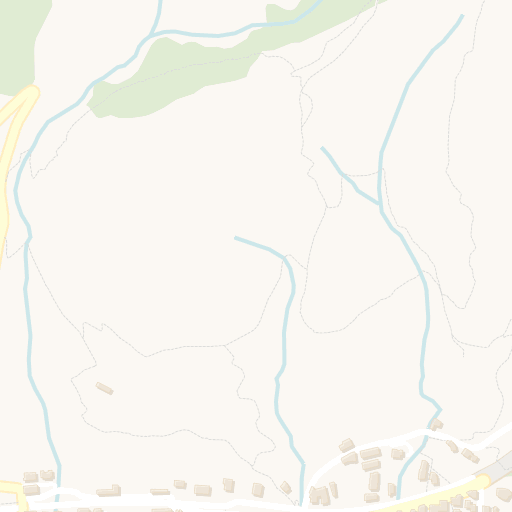
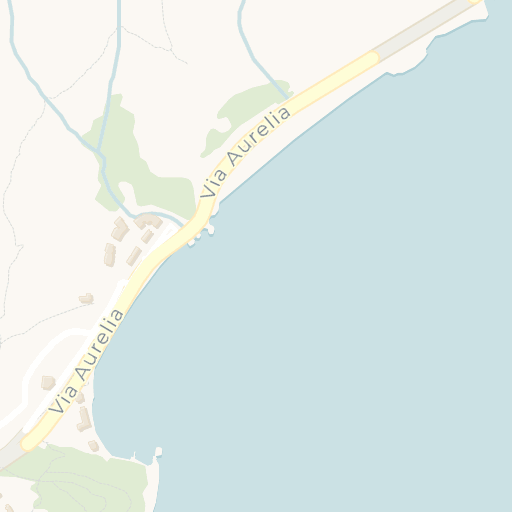


Get directions Open in Apple Maps
© OpenStreetMap contributors · © CARTO · 44.18547, 8.40638
Plan your visit
No opening hour, admission or contact is published for this church by anyone. The Comune di Finale Ligure publishes none for any building in the comune, and no parish or diocesan page could be reached for the vicariate of Finale Ligure-Noli while this entry was written. Nothing here is a statement that the church is open.
The guided programme covers the promontory, not this building by name. The Museo Archeologico del Finale lists the promontory of Varigotti among the four sites of its MUDIF programme, publishing dates in its events calendar and taking bookings by telephone only on 019 690020. Asking them is the one route that exists.
Assume a walk with no vehicle access. The church is mid-slope on Punta Crena, above the baia dei Saraceni. The clearest evidence of how it is reached is the 1995 restoration, which lifted its materials by helicopter — the first time in Liguria. No path grade, distance or walking time is published anywhere read for this page.
See the finds at Finalborgo. The sarcophagus of the third or fourth century and the other material from this site are in the Museo Archeologico del Finale, Chiostri di Santa Caterina, +39 019 690020; €5 full and €3 reduced, Tuesday to Sunday, closed Monday, with different morning and afternoon hours in summer and winter.
Verified against Comune di Finale Ligure, October 2026.
When to visit
Spring and autumn, because you are walking up a promontory. March to May and September to October are the comfortable windows on this coast; the approach is an exposed limestone slope with a centuries-old olive grove on it.
Go when the guided calendar has a date, if you want certainty. Nothing publishes an opening hour for the church itself. The Museo Archeologico del Finale schedules visits to the promontory and takes bookings on 019 690020; going otherwise means accepting you may only see the outside.
Avoid August if you can. Varigotti sits on a strip 200 to 300 metres wide and the record states the greatest flow of holidaymakers comes in summer. The hill is quieter than the beach, but the village you start from is not.
Winter is mild and the light is better. The ridge between Monte Settepani and Pian dei Corsi, almost always between 1,000 and 1,400 m, blocks the cold air off the Po plain. No temperature figure is quoted here: the source gives means for a December-to-February window in a truncated sentence and names no station.