

The Medieval Towers of Alba
Last updated on October 14, 2026Why visit The Medieval Towers of Alba
Because Alba was the city of a hundred towers, and the game is spotting what is left of them.
They were all built in the 14th and 15th centuries. Few remain — and of those that do, many have been lowered to the level of the roofs or incorporated into later buildings, so a tower here is often a thickening in a wall rather than a tower.
The friction is that there is nothing to enter and nothing to book. This is a walk, and it only works if you know what you are looking for.
The tactic is a short, specific route: the best-preserved towers are those between piazza Risorgimento and via Cavour. Start at the cathedral, walk via Cavour — which keeps a typically medieval layout — and look up rather than ahead.
Quick facts
- Type: Tower, Historic Place, Street/Avenue
- Local name: Le torri medievali di Alba (vedi la pagina italiana)
- Built: All built in the 14th and 15th centuries
- Architectural style: Medieval tower-houses, many later lowered or absorbed
Visit responsibly
Almost everything on this walk is somebody's home. The towers that survive do so because they were lowered and absorbed into buildings that are still in use. There is no site here, only a street with people living on it.
Photograph from the street. Casa Chiarlone, Casa Fontana and Palazzo Marro are private addresses, not monuments with forecourts.
Via Vittorio Emanuele is a working main street — the Via Maestra — and the shops along it are the town's economy. A walk that costs nothing can at least spend something.
Do not go looking for a way in. No tower in the record is described as open, and the ones that look most intriguing are exactly the ones absorbed into private houses.
Where it is
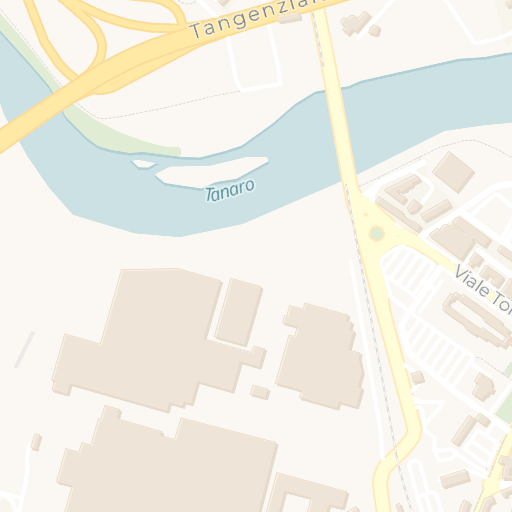
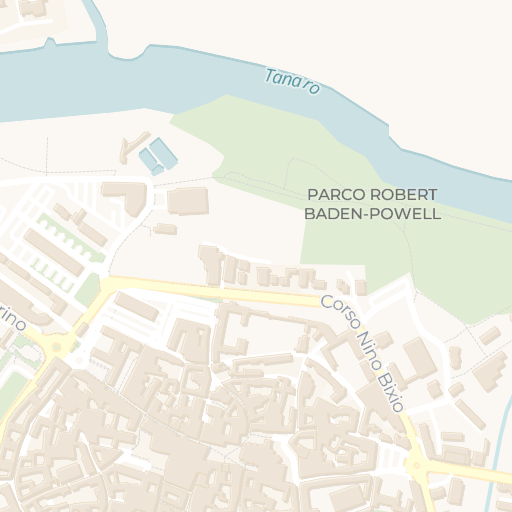
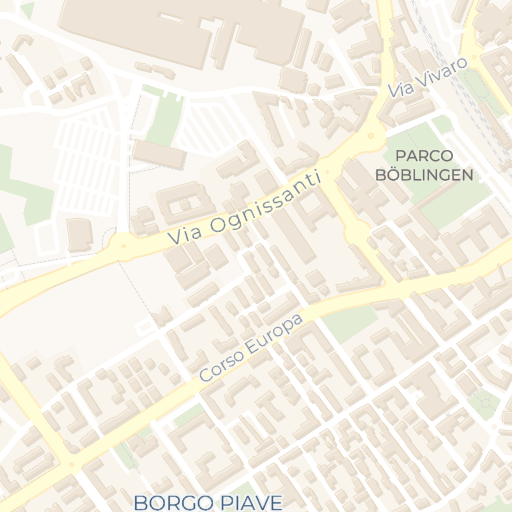
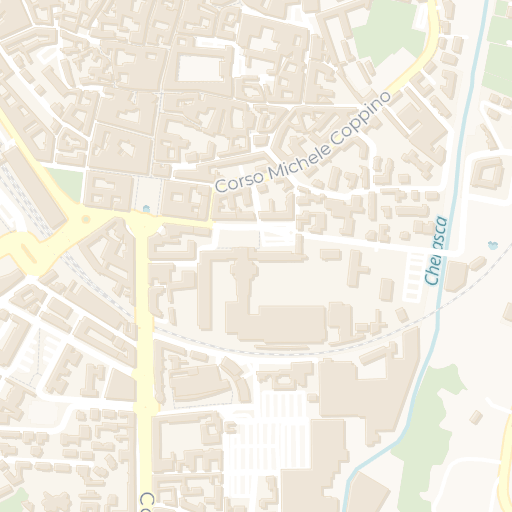
Get directions Open in Apple Maps
© OpenStreetMap contributors · © CARTO · 44.7005, 8.0353
Plan your visit
Where to walk. Between piazza Risorgimento and via Cavour, which is where the best-preserved towers are. Extend along via Vittorio Emanuele, the "Via Maestra", and detour into via Calissano for the Torre di Casa Chiarlone and piazza San Giovanni for Palazzo Marro.
Admission. None, and none is possible — these are streets and private buildings. Nothing here is open to visitors, and no tower is described in the record as climbable or enterable.
Hours. Not applicable. The comune publishes no heritage pages and no access terms; its switchboard is 0173 292111.
How long. Forty minutes at a walk, longer if you stop at every suspicious roofline.
What you need. To know that a tower here may be the height of a house. Looking for towers will not work; looking for masonry that does not match its neighbours will.
Combine it with the cathedral and the Palazzo Comunale, both on piazza Risorgimento, where the walk starts.
Verified against Comune di Alba, October 2026.
When to visit
Daylight, and preferably low daylight. This is a walk that depends on reading rooflines and changes in masonry, and raking light does that work for you where flat midday sun hides it.
Any season. Nothing opens or closes, nothing is weather-dependent except your willingness to stand in the street looking upward.
October and early November fill Alba for the truffle fair, and via Vittorio Emanuele is the busiest street in town. The towers are above the crowd, but the pavement underneath it is not.
Early morning is the version of this walk worth getting up for: the medieval layout of via Cavour reads properly when the street is empty.
Winter fog is a Langhe speciality and does the towers no favours, since the whole point is looking up.