

Volpaia
Last updated on October 16, 2026Why visit Volpaia
Because in August 1478 this hamlet of a few dozen people threw out the army that had just captured it and sent the enemy's commissioner to Florence in chains.
Volpaia was a Florentine castle on the Sienese frontier. When the allied Sienese and Aragonese army took the Chianti's strongholds in August 1478, the terms of their league assigned Volpaia to Siena. The month was not over before Volpaia rebelled, drove out the garrison and took the Sienese commissioner, Cipriano, prisoner to Florence.
The friction is that there is very little of it. Forty-nine residents at 617 metres, one street through the middle, and a castle most of whose walls came down when peace arrived and people wanted houses instead.
The smart way is to come for the colour and the Commenda. Volpaia is built of local sandstone, which gives it a brown-gold cast unusual in the Chianti's white alberese. And inside the walls stands the Commenda di Sant'Eufrosino, a national monument and the finest Renaissance building in the district.
Quick facts
- Type: Historic Place, Neighborhood, Castle
- Local name: Volpaia (vedi la pagina italiana)
- Built: Castle probably of the 10th century; the oldest masonry dates to the first half of the 12th; first documented 21 April 1172
- Architectural style: Roughly elliptical wall circuit with towers, built in sandstone filaretto, with a later round tower and late-Renaissance doorways
- Elevation: 617 m
Visit responsibly
Forty-nine people live here. Volpaia is a frazione, not a visitor attraction, and its one internal street is where those people live. Keep the noise down and do not photograph into doorways.
The walls are what is left of the walls. Only some stretches of the original circuit, the main tower and one lesser tower survive; long sections came down centuries ago. Do not climb on any of it.
The estate inside is a business. Cellars, presses and working buildings occupy much of the castle's interior — including the old Ospedaletto. Arrange a visit rather than wandering in.
Leave the car where it belongs. The borgo is small, walled and was built around a single street for people on foot. Radda's own centre is a limited-traffic zone and the same logic applies up here.
The Commenda is a national monument. It has been one since 1982. Treat it accordingly.
Where it is
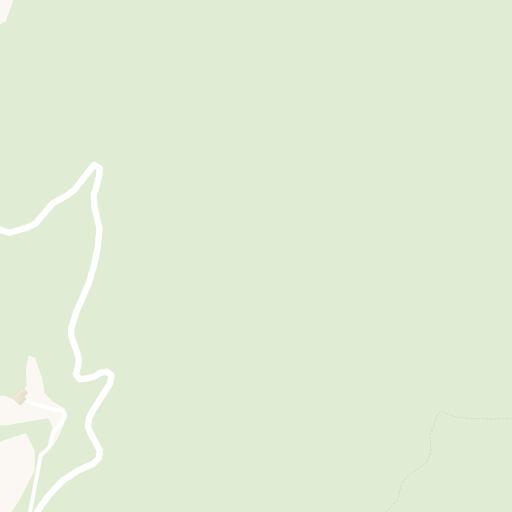
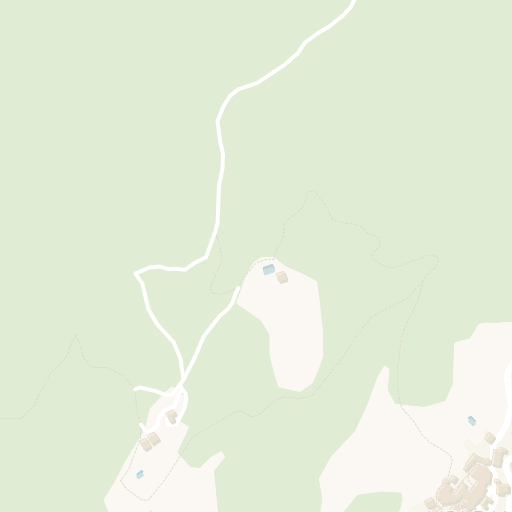
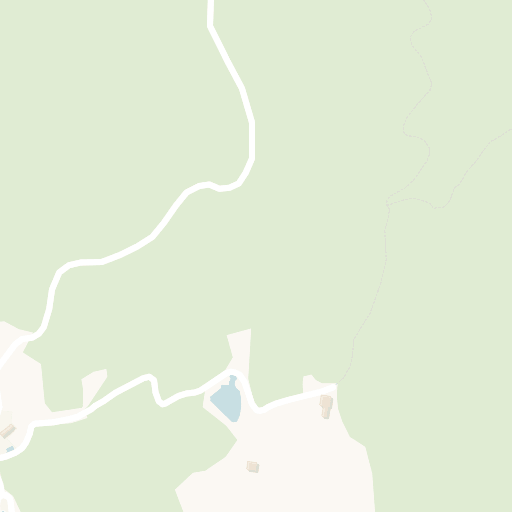
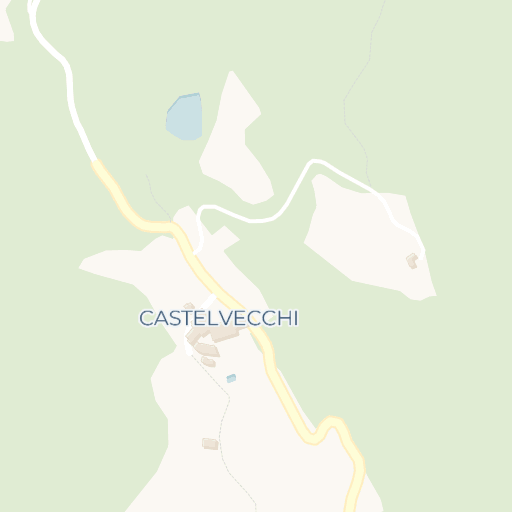
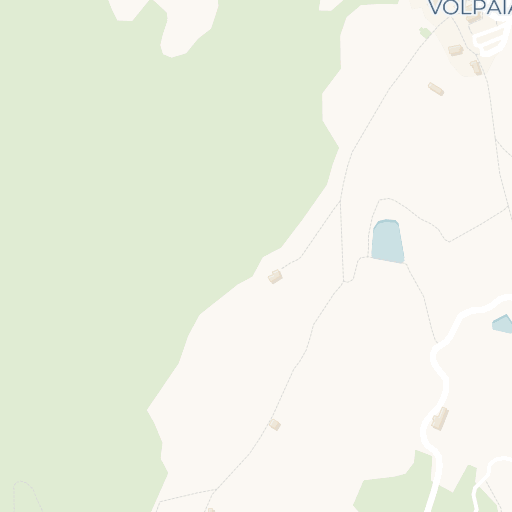
Get directions Open in Apple Maps
© OpenStreetMap contributors · © CARTO · 43.517, 11.381
Plan your visit
Volpaia is a public hamlet and you can walk into it. It is a frazione of Radda in Chianti with 49 residents at 617 metres, reached by road north of the town.
No operator publishes hours or an admission charge for the borgo, because it is a place where people live rather than an attraction with a gate. The wine estate inside it is a business, and what happens in its cellars is not a public right of way.
What there is to see without arrangement: the surviving walls and towers, the internal street, the Ospedaletto dei Cavalieri di Malta with its incised Maltese Cross, the old church of San Lorenzo, the late-Renaissance doorways — and, on the little square facing the castle's former gate, the Commenda di Sant'Eufrosino.
Getting here. By car from Radda, up onto the ridge. The borgo is small, walled and not built for vehicles; the historic centre of Radda itself is a limited-traffic zone run by the comune's Polizia Locale, on 0577 739622 / 0577 739623, Monday to Saturday 08:30–13:30.
For anything else, the comune. Piazza Ferrucci 1, 53017 Radda in Chianti, switchboard 0577 739633.
Verified against Comune di Radda in Chianti, October 2026.
When to visit
Clear weather, because the point is partly the position. Volpaia sits at 617 metres on a watershed ridge, which is why a castle was put here in the first place.
Spring and autumn are the comfortable seasons, and they are when Radda's own calendar is busiest: the Chianti Ultra Trail in spring, with routes of 15, 42 and 73 km from Radda through the vineyards, and Chianti d'Autunno in November across the eight Chianti Classico comuni.
Summer afternoons are the wrong time for a hamlet of forty-nine people. There is no shade on the approach and very little inside, and the Chianti Festival runs June to August in Radda rather than up here.
Winter is cold at this height. The comune is climate zone E, and Volpaia stands eighty metres above Radda itself. Ice on the ridge road is the practical constraint.