

Ponte Vigo
Last updated on September 8, 2026Overview
The Ponte Vigo crosses the Vena canal at the northern end of Chioggia, where the canal meets the lagoon, and it is the town's set piece: a single white stone arch with a balustrade, opening onto a small square and the water beyond.
It was built in 1685 in Istrian stone, the same material Venice used, and it replaced a wooden bridge on the same crossing.
On the column at its lagoon end sits a small carved lion of St Mark, which the Chioggiotti call el gato -- the cat -- because it is too small and too domestic-looking to be convincing as a lion. The joke is old and locals will still make it.
Quick facts
- Type: Bridge
- Local name: Ponte Vigo (vedi la pagina italiana)
- Built: 1685
- Architectural style: Venetian Baroque
- El gato: The lion of St Mark on the bridge’s column is so small that Chioggia has always called it "the cat".
- Built in Venice’s stone: Istrian limestone, shipped down the lagoon -- dense and salt-resistant, and still crisp after three and a half centuries.
Visit responsibly
This is a working crossing in a working fishing town, not a viewpoint. The quay and the bridge are used by people landing and moving catch, particularly in the early morning -- stand out of the way.
Chioggia gets a heavy day-visitor load in summer from the beaches at Sottomarina, concentrated on exactly this stretch. Coming early or out of season is easier on the town and better for the visit.
Eat and buy locally: this is one of Italy's most important fishing ports, and the fish here is landed a few hundred metres away rather than trucked in.
Where it is

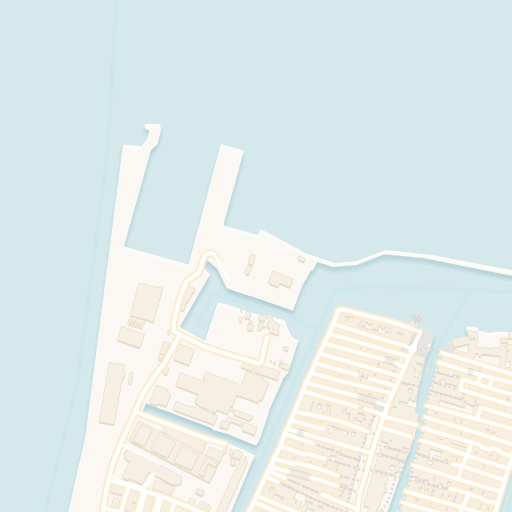

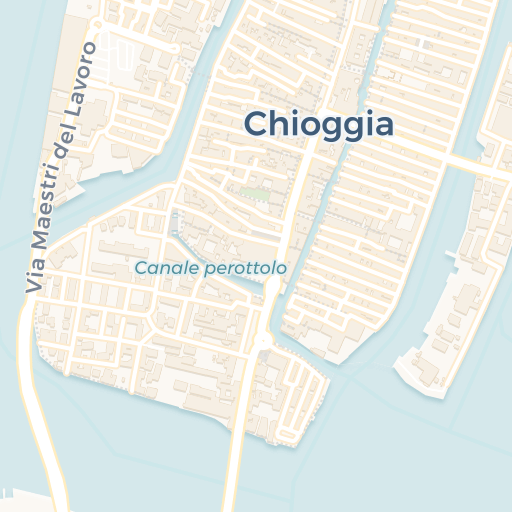
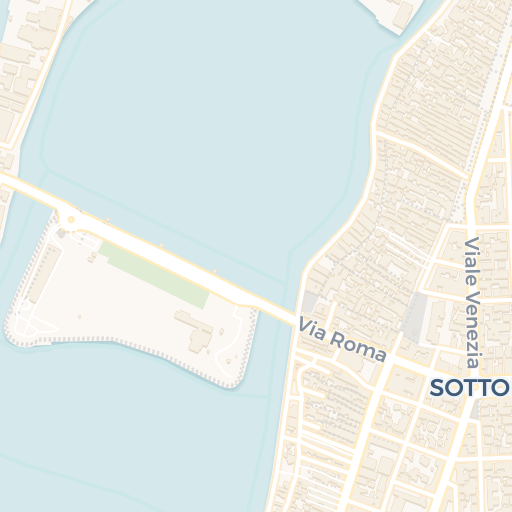
Get directions Open in Apple Maps
© OpenStreetMap contributors · © CARTO · 45.2189, 12.2794
Plan your visit
The bridge is a public street: free, always open, and crossed constantly by residents.
It stands at the northern end of Corso del Popolo, about ten minutes' walk from the centre of Chioggia and directly beside the ferry landing for Pellestrina and Venice.
The crossing takes a minute; the reason to linger is the view, and most people spend ten or fifteen minutes here.
The bridge is stepped on both sides and is not wheelchair accessible, though Piazzetta Vigo and the quay at its foot are level and reachable.
When to visit
Early morning is the best time by some distance: the fishing fleet comes in, the canal is busy, and the light is low along the water.
Sunset from the crown of the bridge, looking north across the lagoon, is the other good moment.
Spring and autumn are the pleasant seasons here; July and August bring the beach crowds over from Sottomarina.
Winter is quiet and often foggy, and the bridge with the lagoon disappearing behind it is memorable.