

Basilica of Saint Anthony
Last updated on September 13, 2026Overview
The Basilica of Saint Anthony -- known in Padua simply as il Santo -- holds the tomb of a Portuguese friar who died nearby in 1231 and was made a saint less than a year later, the fastest canonisation in the Church's history. It draws several million pilgrims a year, which makes it a working devotional site far more than a monument, and it looks like almost nothing else in Italy: eight domes and two minaret-like towers over a brick body that borrows openly from the Byzantine east.
Quick facts
- Type: Church
- Local name: Basilica di Sant'Antonio (vedi la pagina italiana)
- Built: 1232-1310
- Architectural style: Romanesque-Gothic with Byzantine domes
- Denomination: Roman Catholic
- Donatello at the high altar: Donatello worked here from 1443, leaving the bronze high altar and, outside, the equestrian Gattamelata -- the first monumental bronze horse cast since antiquity.
- An international pilgrimage: Begun the year after Anthony's canonisation in 1232; it draws pilgrims from well beyond Italy and is administered by the Holy See rather than the diocese.
Visit responsibly
This is a pilgrimage church, and the people beside you are mostly not tourists. The tomb chapel in particular is a place of active, often emotional prayer -- moving through it quietly and without a camera is the whole of what is asked.
Entry is free, and the basilica is maintained on donations and the Franciscan community's own resources. The offering boxes are doing real work.
Dress rules are applied at the door rather than by request inside, so arriving covered saves a conversation.
Padua absorbs visitors easily compared with Venice, and the Santo quarter has capacity that the centre does not -- staying or eating down here spreads the benefit into a part of the city that sees far less of it.
Where it is
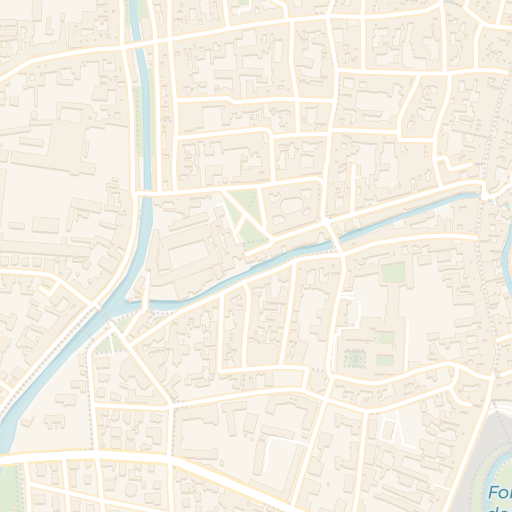
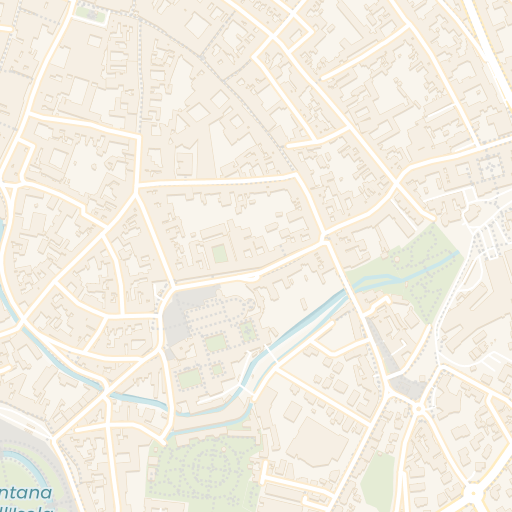
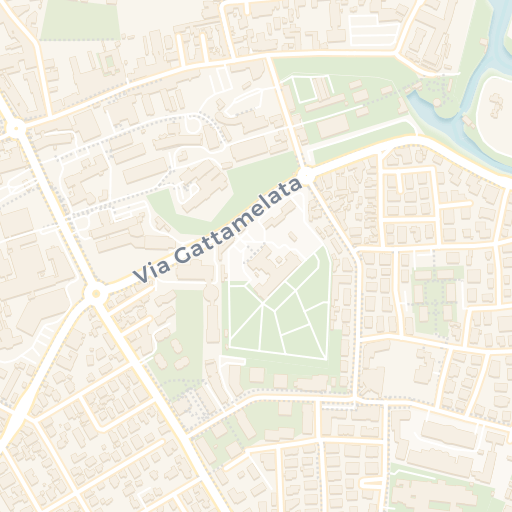
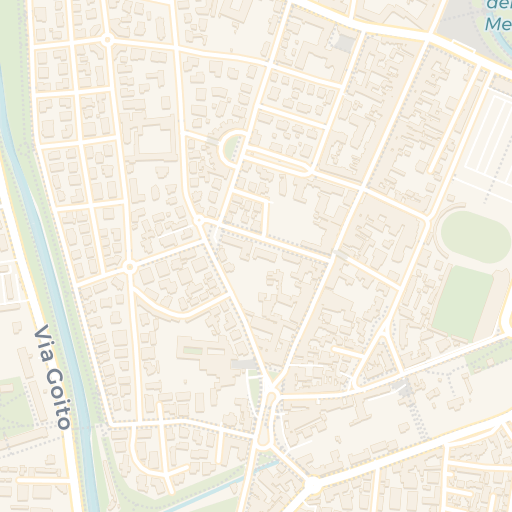
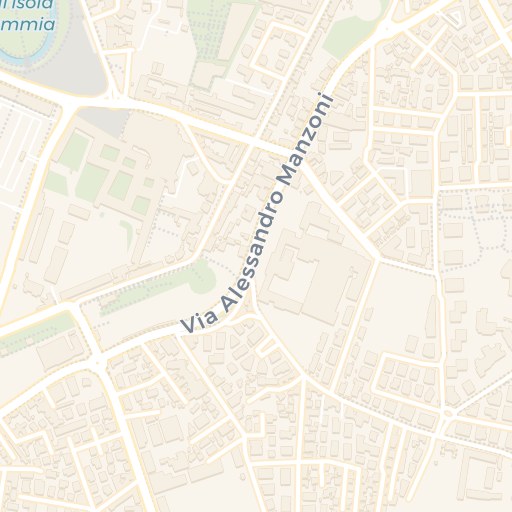
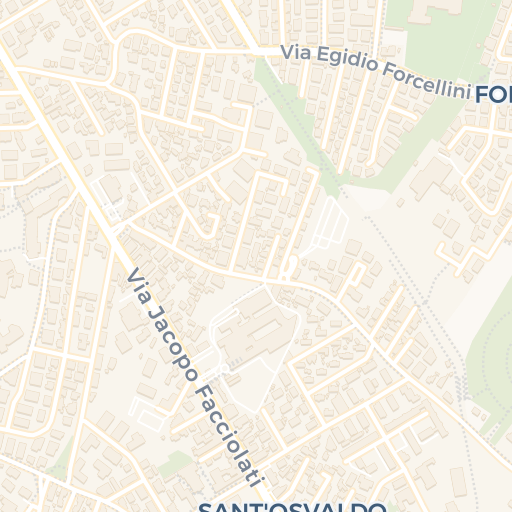
Get directions Open in Apple Maps
© OpenStreetMap contributors · © CARTO · 45.4013, 11.8809
Plan your visit
Entry is free. Modest dress is required and enforced -- shoulders and knees covered -- and photography is restricted in and around the Cappella dell'Arca. The basilica keeps long daily hours, with the Treasury Chapel and the cloisters on shorter ones. It is about twenty-five minutes on foot from Padova railway station, or a short tram ride to the southern end of the centre.
When to visit
Early morning is the quietest hour and the one in which the building is most obviously a church rather than a sight.
13 June, the saint's feast, is the year's peak: processions, the relics carried through the city, and pilgrim numbers that fill the square completely. Extraordinary to witness and impossible to visit quietly.
Mass times close the chancel to visitors; the tomb chapel stays accessible throughout, since praying there is not a visit in the first place.
The interior is dim by design and lit largely artificially, so unlike most Italian churches the weather outside makes little difference to what you can see.