

Spanish Steps
Last updated on October 4, 2026Why visit Spanish Steps
The draw
It is the best staircase in Europe and the reason it works is that it is a garden trick done at city scale. The reference work calls the design a gigantic inflation of some conventions of terraced garden stairs — divided symmetrical flights of the kind Bramante devised for the Belvedere Courtyard, with the shaped and angled steps Michelangelo introduced in the vestibule of the Laurentian Library. Blown up to 135 steps over a 29-metre slope, it turns a hillside into a piece of theatre you walk through.
And it is a diplomatic treaty in stone. The stairs were paid for out of the bequest of Étienne Gueffier, French diplomat to the Holy See, who died in 1660; an earlier version would have been crowned with an equestrian Louis XIV; the drawing was engraved with a dedication to Louis XV; the church at the top is under Bourbon patronage. The name comes from the Spanish Embassy to the Holy See at the bottom. The reference work notes that the Bourbon fleur-de-lys and Innocent XIII's eagle and crown are carefully balanced in the sculptural details — two powers, equal billing, carved into the handrail.
The friction
You cannot sit down. The one thing the stairway was built for — Turismo Roma says expressly that it was made to be a gathering place for all citizens, and that Romans call it the salotto di Roma — is now the thing you are fined for. Since July 2019 sitting carries a penalty. So the steps are crowded with people standing on them, moving slowly, taking photographs, and being moved along.
The tactic
Go to the fountain first and look at how low it is. The Barcaccia is set below street level, and the reference work gives the reason plainly: the Acqua Vergine had too little pressure to lift water any higher. Turismo Roma describes the very low gunwales that make the boat look like it is going under without ever saying why they are low. Put the two together and the most photographed joke in Rome turns out to be a plumbing report.
Then stand by it and listen. John Keats died in the house at the corner in 1821 and could hear this water from his bed; the reference work records that it gave him his epitaph — Here lies one whose name was writ in water. It is thirty seconds of standing still and it is the best thing on the square.
Skip it if you:
- Wanted the sitting-on-the-steps photograph. It is prohibited and fined, and enforced.
- Dislike crowds in a confined space. The square is narrow and the stairway is the only way through it.
- Are pushing a pram. Taking one up or down the steps is explicitly covered by the fines.
Quick facts
- Type: Historic Place, Square/Plazza
- Visitor access: Open to visitors
- Admission: Free
Visit responsibly
Sitting is a fined offence
The reference work records that several city administrations tried to dissuade visitors from getting too comfortable on the steps by banning loitering and eating, but the ordinances were not enforced. That changed in July 2019, when the administration of Mayor Virginia Raggi introduced stricter ordinances: fines of EUR 250 for sitting down on the steps and up to EUR 400 for dirtying or damaging them — which expressly includes eating on them and pushing a pram up or down them.
Why the stone is treated this way
The surface is not robust. Writers already found the steps in poor condition in the mid-18th century, and they have been restored repeatedly since. The Bulgari campaign of 2015–16 treated almost 3,000 square metres of travertine, brick, marble and plaster, took more than 80 people and cost EUR 1.5 million. A seated crowd on soft, porous stone is what that money was spent undoing.
Stay out of the fountain
The Barcaccia has been attacked twice in living memory. On 15 May 2007 four drunken tourists damaged it with a large screwdriver, leaving a deep scratch and detaching a significant part of the papal coat of arms. After a restoration funded by a private donation of EUR 209,960, the fountain was damaged again on 19 February 2015 by a group of visiting football supporters who stepped into it and threw bottles and rubbish. The carved arms with the three bees of Urban VIII are the part that gets broken.
The square is residential and commercial
Piazza di Spagna has been a quarter of hotels and houses inhabited by foreigners since the 15th century and still is. People live above the shops. Noise late at night carries in a space this narrow and this hard-surfaced.
Where it is
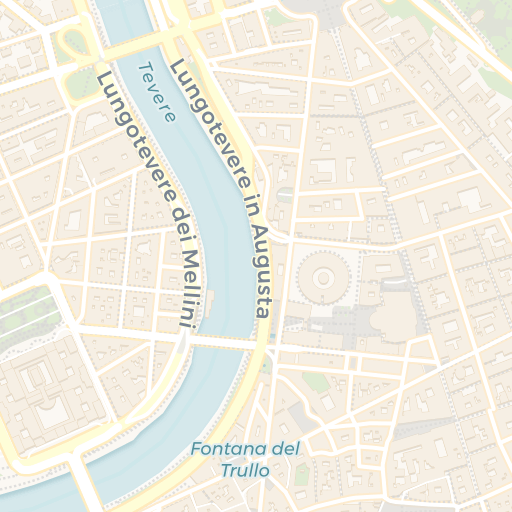
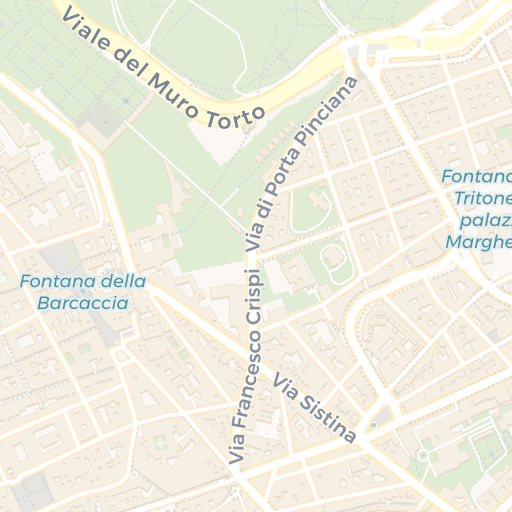
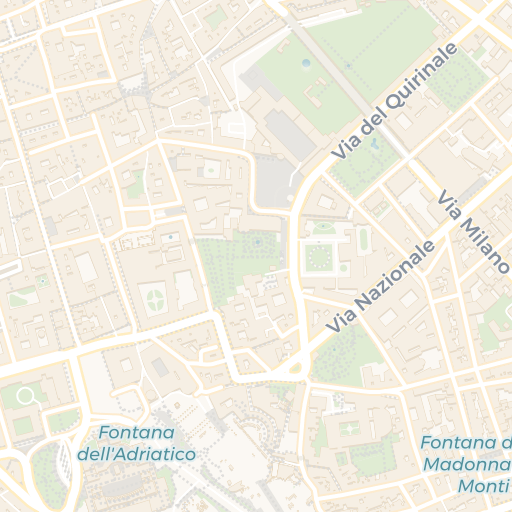
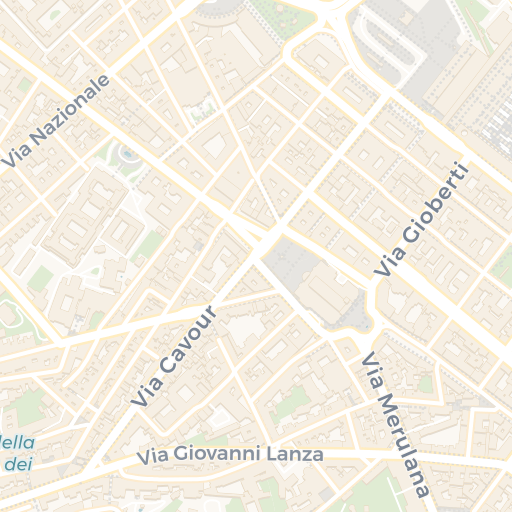
Get directions Open in Apple Maps
© OpenStreetMap contributors · © CARTO · 41.90598, 12.48255
Plan your visit
Admission: Free · Public monumental staircase
Open, free, and regulated
Piazza di Spagna and the stairway are public space. Turismo Roma lists them with an address and coordinates and no opening hours and no admission price.
Admission
Free. The steps, the square and the fountain.
The one rule that catches people out
You may not sit on the steps. Sitting is prohibited and fined, as is eating on them and taking a pram up or down. The amounts and the ordinance behind them are set out in Responsible Travel below. Wardens are present and the rule is enforced.
This is worth knowing in advance because of what the stairway was for: Turismo Roma records that it was built expressly to be a gathering place for all citizens, and that it remains a place of meeting — the drawing room of Rome. The sitting is what the architecture invites and the ordinance forbids.
What is free and usually missed
The fountain, from close up and from below. The Barcaccia sits below the level of the street, so you have to go down to it; most people photograph it from above and never see the sun-shaped faces inside the hull or the false cannon ports.
What costs money nearby
The Keats house at the corner is a museum and charges; Trinità dei Monti at the top is a church. Everything in between is free.
How long
Twenty to thirty minutes — the climb, the view back down, and a few minutes at the fountain.
Verified against Turismo Roma, October 2026.
When to visit
Early morning, and it is not a close call. This is a narrow square with one staircase in it, and from mid-morning to late evening the stair is full of people standing on it. Before about eight you can see the shape of the flights, which is the whole point of the design, and photograph it without a crowd on every landing.
Sunset is the famous hour and the worst one. The light on the travertine is genuinely better and so is the view west over the rooftops from the top, but the square fills completely, and since sitting is prohibited everyone is standing.
After dark is the quiet alternative. The facade of Trinità dei Monti and the steps are lit, the shops on Via dei Condotti are shut, and the Barcaccia is at its best — with the crowd gone you can hear it, which is how John Keats knew it from the house on the corner.
Spring is when the steps are banked with flowers, which is the image on every postcard of them; the display takes up a good part of the stair, so there is less room to climb and more to look at.
Turismo Roma notes the stairway was made to be a gathering place for all citizens and is still called the drawing room of Rome — a description that fits an early morning better than it fits a July evening.