

Palazzo Dolfin Manin
Last updated on September 4, 2026Overview
Palazzo Dolfin Manin faces the Grand Canal near the Rialto Bridge, its long arcaded facade one of Jacopo Sansovino's earliest experiments with bringing Roman classical architecture to Venice. Built for the Dolfin family in the 1530s and later home to Venice's last Doge, the palace today houses the Bank of Italy's Venice branch -- a working bank behind a Renaissance facade, not a museum.
Quick Facts
- Type: Historic Place, Palace
- Local name: Palazzo Dolfin Manin (vedi la pagina italiana)
- Visitor access: Exterior only
- Built: 1536-1547
- Designed by: Jacopo Sansovino
- Architectural style: Venetian Renaissance
Visit Responsibly
This is a working branch of the Bank of Italy with its own security arrangements. The entrance is not a way in for visitors, and approaching it as though the building were a museum is both fruitless and unwelcome.
The arcade is a public right of way and a busy one. It is legitimate to walk through it and to stop and look, but it is a thoroughfare first -- the courteous version is to step to a pilaster rather than stand in the middle of the passage.
Seeing the facade properly means being on the water, and the vaporetto on line 1 does the job for the price of a ticket. A hired boat adds nothing to this particular view except traffic on an already congested stretch of canal.
Where it is
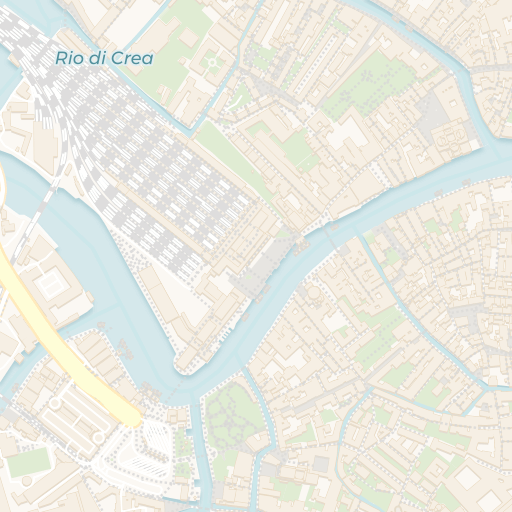
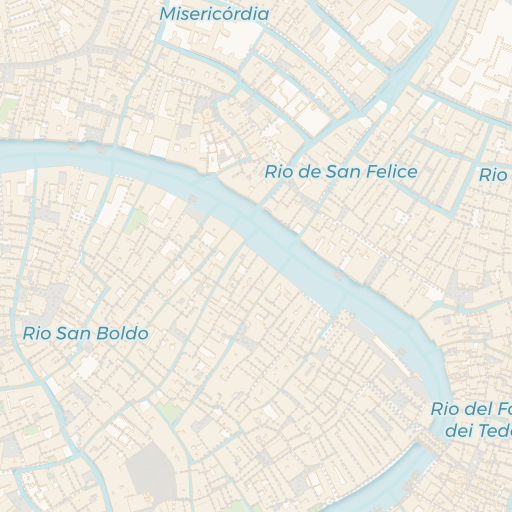
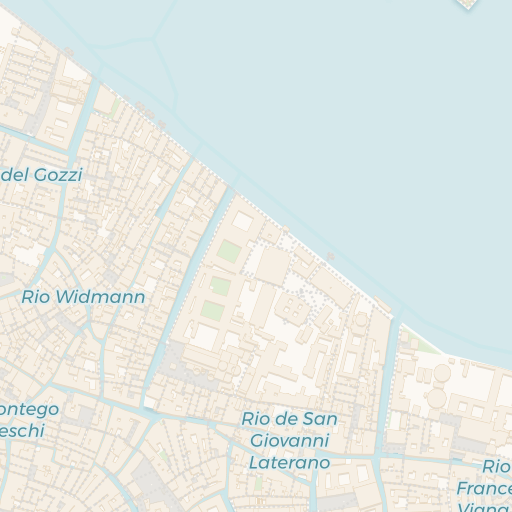
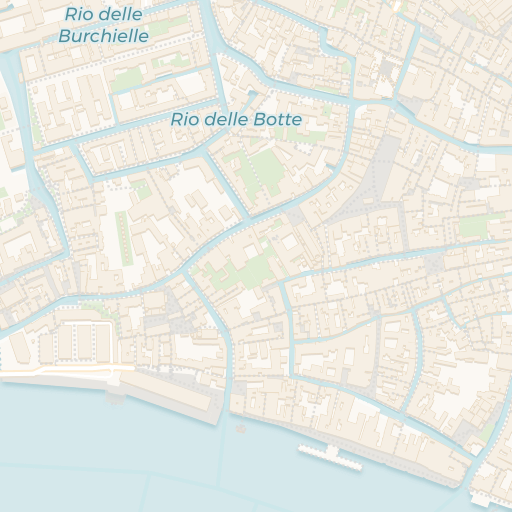
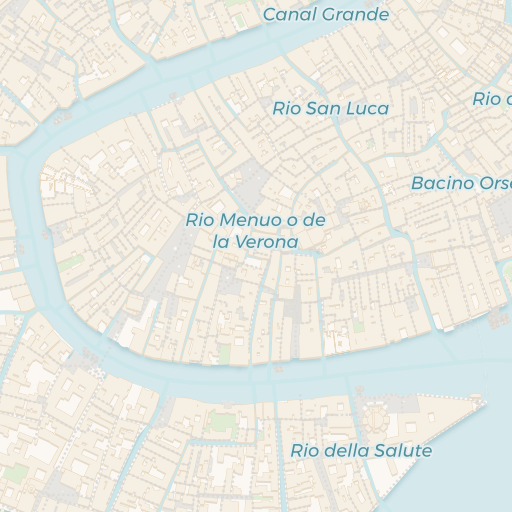
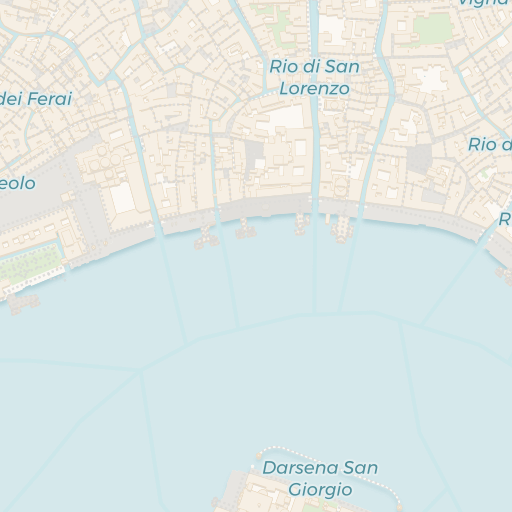
Get directions Open in Apple Maps
© OpenStreetMap contributors · © CARTO · 45.43706, 12.33586
How to See It
Palazzo Dolfin Manin is a working branch of the Bank of Italy and is not open to public visits. Its arcaded Grand Canal facade, a short walk from the Rialto Bridge, is freely visible from the canal or from the Riva del Carbon along the water's edge.
When to Visit
The interior is a bank, so its opening hours are irrelevant to a visitor -- there is no version of this building that is open to look at. What matters is when the outside can be seen.
The facade faces roughly north-west across the canal and takes direct sun in the late afternoon, when the Istrian stone and the depth of the arcade read best. Earlier in the day it sits flat and grey.
The arcade itself is busiest between about ten and six, when the Riva del Carbon carries the constant flow between the Rialto and San Marco. Early morning is the only time it is possible to stand under it and look up at the vaulting without stepping aside every few seconds.
Water traffic peaks with the vaporetti through the middle of the day; the view from the Riva del Vin opposite is clearest early, before the canal fills with boats crossing the frame.