

Terracotta Warriors Army
Last updated on October 6, 2026Overview
Imagine life-sized statues of magnificent warriors by the thousands, all lined up to accompany the emperor to the afterlife. The sight of over 8,000 terracotta figures of the army is simply awe-inspiring and unforgettable. It was discovered by farmers in 1974 and is considered the 20th century's most important archeological excavation. The terracotta warriors' collection is so spectacular that it has placed Xi'an, in the Shaanxi Province of China, on the tourist map.
UNESCO Heritage Listed Mausoleum of the First Qin Emperor
The vaults are to be found just east of the mausoleum of Emperor Qin Shi Huang (east of Mount Ishan). The more than 16,000 square meters of replicas of the imperial guard and their horses and chariots are actually part of the mausoleum. These were buried with the Emperor in 210 to 209 B.C. They are testimonies of the pomp and grandeur that is offered to the Emperor, especially during the time of his death. Oftentimes dubbed 'Qin's Armies', they are considered the Emperor's helpers in his reign in the afterlife. The army and the complex that was to be the emperor's mausoleum took close to 40 years to complete. The mausoleum is a feat that stands as proof of the emperor's power and influence, as it involved 700,000 artisans and workers. And to think that the emperor was only thirteen years old when the project started!
The statues were discovered in three underground vaults. These vaults are situated 15 to 20 feet beneath ground level. Each vault is made up of rooms or corridors with earthen walls serving as separators. Terracotta bricks cover the floors. The roofing is composed of large wood planks and mats made of fibers. There is archeological evidence that fires and robbers have ravaged the tombs. It is fortunate that, despite these abuses, a large portion of the vaults has survived.
The larger-than-life statues are 184 cm to 197 cm tall, depending on the rank. The taller the statue, the higher the rank. As you look at the statues' faces and uniforms, you will be amazed at the attention to detail. There are actually no two statues that are exactly alike. Their molded faces hold different expressions and features, making one believe that the statues were based on actual people. The face, with its eyes, nose, ears, and hair, were sculpted individually. The same is true for other details, such as the armor, shoe ties, and other details of the warrior's costume. The figures have solid legs and hollow heads and bodies, indicating that the different body parts were formed using separate molds. The craftsmen inscribed their names on each figure – usually on the armor, leg, or robe of the warrior. The clay used to make the statues is from Mount Ishan.
Another interesting tidbit about the mausoleum and the terracotta army is its location. According to ancient geomancy, the land comprising Mount Hua up to Lishan is shaped like a dragon. The location of the emperor's mausoleum is the eye of this dragon.
Visit this astounding landmark in the eastern part of Lintong County in Xi'an. It is a must-see and an important tourist destination. Be sure to mark it in your itinerary.
Quick facts
- Type: Ruins, Museum, Historic Place
- Visitor access: Open to visitors
- Admission: ¥120
Where it is
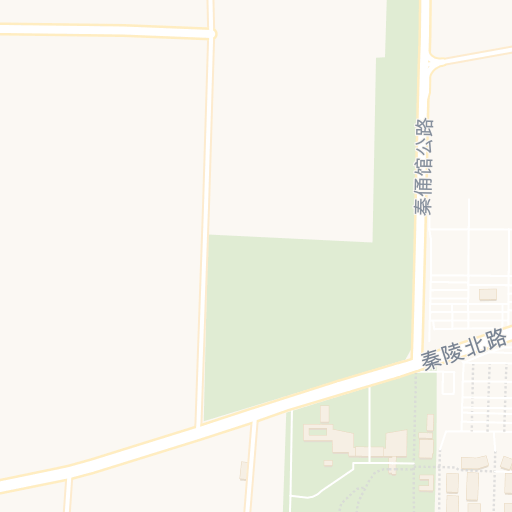
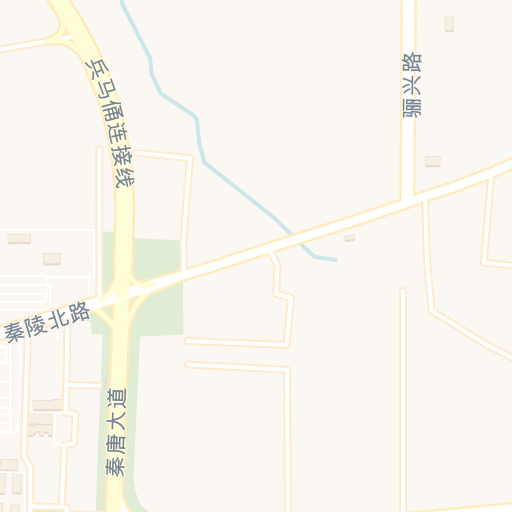
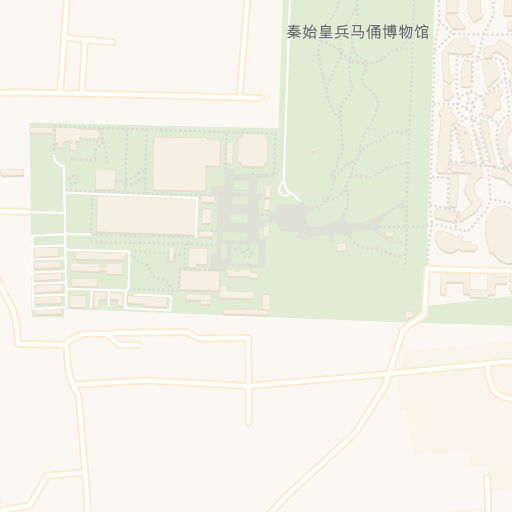
Get directions Open in Apple Maps
© OpenStreetMap contributors · © CARTO · 34.38736, 109.27767