

Gateway of India
Last updated on October 20, 2026Why visit Gateway of India
The Gateway condenses several versions of Mumbai into one place: a colonial ceremonial arch, an active harbour edge, a public meeting point and the start of a journey to Elephanta. Walking around it changes the frame from carved stone to boats, sea wall and hotel façade.
Crowds, security controls and exposed heat are the trade-off. Arrive early, keep bags compact and return near dusk only if you are comfortable with a much busier plaza.
Visit if you:
- want a clear starting point for South Mumbai
- are interested in the relationship between architecture and harbour arrival
- plan to connect Colaba, Kala Ghoda or an Elephanta ferry
Skip it if you:
- expect a quiet monument interior
- cannot manage dense open-air crowds and security checks
Quick facts
- Type: Monument, Historic Place
- Visitor access: Open to visitors
- Reservation: Not required — tickets on the door
- Built: 1911–1924
- Built by: George Wittet
- Built for: Ceremonial harbour entrance commemorating the 1911 royal visit
- Architectural style: Indo-Saracenic
- Height: 26 m
- Material: Basalt
- Setting: Apollo Bunder, Mumbai Harbour
Visit responsibly
The ferry edge is an operating embarkation zone. Keep ramps and queues clear, follow crew instructions and do not cross a barrier for an unobstructed photograph.
Food waste attracts birds and enters the harbour. Use bins and refuse sellers who encourage feeding.
Security staff manage a high-profile public space. Keep bags compact, accept inspections and avoid photographing controlled areas after being asked to stop.
The plaza also belongs to residents meeting and walking here. Do not block the arch axis with a large group or treat street vendors as photo props.
Where it is
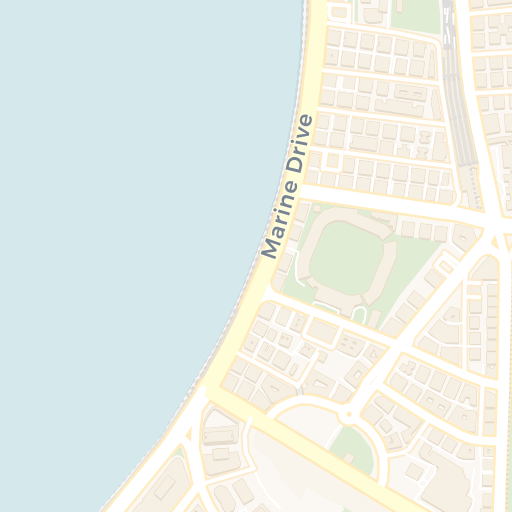
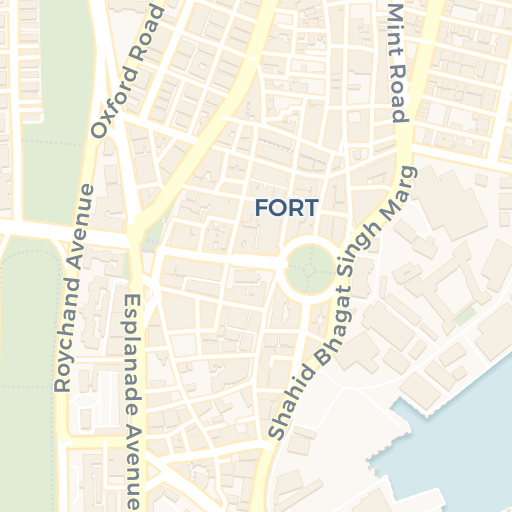
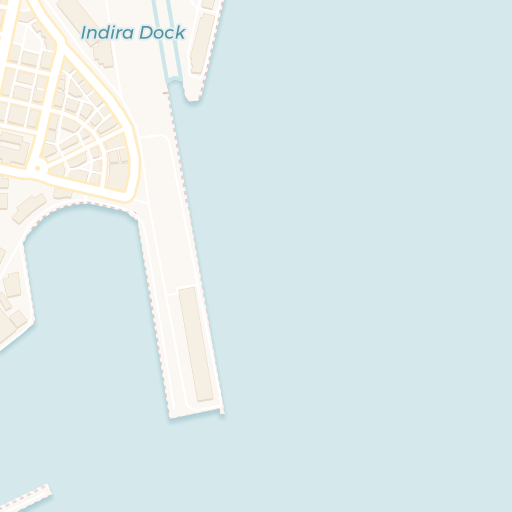
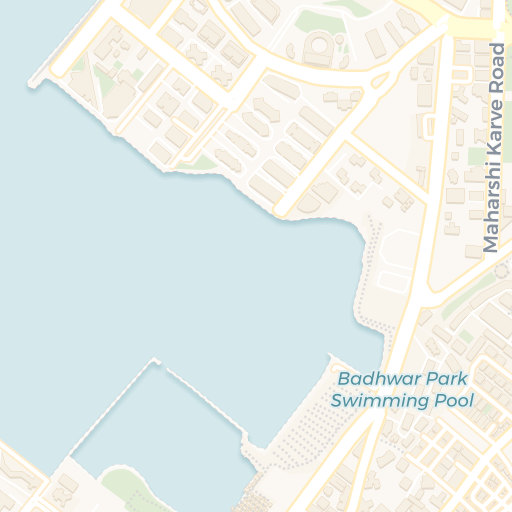
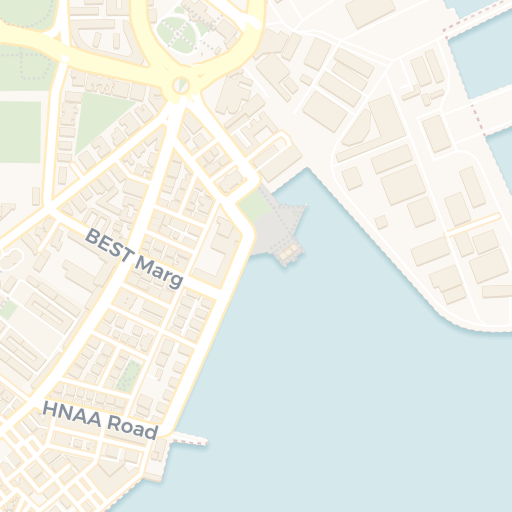
Get directions Open in Apple Maps
© OpenStreetMap contributors · © CARTO · 18.92197, 72.83457
Plan your visit
Visit the plaza; verify boats separately
The Gateway plaza is a public space and normally free to enter, subject to security controls or event closures. There is no ticketed interior.
Harbour boats and Elephanta services are separate commercial operations. Confirm the provider, destination, return time, sea conditions and what the fare includes before boarding.
Keep bags close in crowds and use only clearly identified operators. The open plaza has limited shade; carry water and avoid leaning over barriers for photographs.
Verified against Mumbai City District Administration, October 2026.
When to visit
November through February usually gives the easiest general conditions. Mumbai's 1991–2020 normals show a very wet monsoon from June through September, with warmer and more humid conditions around it.
The Gateway of India is fully outdoors, with the greatest crowd pressure around ferry departures and evening waterfront visits. Check current municipal weather, tide or transport guidance when conditions matter; a seasonal average cannot establish whether today's seafront is safe.