

Column of Marcus Aurelius
Last updated on October 5, 2026Why visit Column of Marcus Aurelius
The draw
It is a thirty-metre war documentary carved in Carrara marble, standing free in a public square. 28 cylindrical blocks of Luna marble, 100 Roman feet high, cut with a continuous spiral frieze recording the campaigns against the Germans in 172-173 and the Sarmatians in 174-175.
And it has a beginning you can find. Turismo Roma says where to start: the account unwinds from the bottom upwards and opens with the crossing of the Danube on a bridge of boats, followed by marches, the building of camps, battles, sieges and speeches to the troops. Knowing that turns a grey spiral into a readable sequence.
It is free, ungated, and it is always there. Piazza Colonna is a public square between the Corso and Montecitorio; nothing is ticketed and nothing closes.
The friction
- The detail is a long way up. The best carving is tens of metres above your head and the lower turns are the most weathered.
- The base has lost its sculpture. The basement reliefs were lost in the 1589 restoration and the honorific inscription has vanished.
- The top is not Roman. The figure on the summit is the bronze Saint Paul placed there in 1589, not the emperor.
- You cannot go inside. There is a spiral staircase lit by slits, and the city publishes nothing about visiting it.
The tactic
Walk a full circle before looking up. The frieze is continuous, so one viewpoint shows you a quarter of it; the square is open on all sides and the circuit takes a minute.
Start at the bottom and find the river. The Danube crossing on a bridge of boats is the first scene, at the foot of the spiral — from there the marches, camps, battles and sieges follow in order.
Look for the winged Victory. She separates the German campaign from the Sarmatian one, so she is the chapter break that tells you which war you are reading.
Come when the light is low and across. Deep relief on a cylinder needs raking light; at midday the carving flattens out into grey.
Pair it with Trajan's Column. This one was inspired by it, and seeing both in a day is the clearest lesson in how Roman state sculpture changed in sixty years.
Skip it if you:
- Expect to go inside or climb it. Nothing of the sort is published.
- Want an uninterrupted view. It stands in a working square with traffic on three sides.
- Are collecting ticketed sites. This is a ten-minute stop, not a visit.
Quick facts
- Type: Monument, Roman, Historic Place
- Local name: Colonna di Marco Aurelio (vedi la pagina italiana)
- Built: Made between <span class="timeline-date">AD 180</span> and <span class="timeline-date">AD 193</span>
- Built by: Completed by Commodus, son and successor of Marcus Aurelius
- Built for: A monument to the German and Sarmatian campaigns of Marcus Aurelius
- Architectural style: Doric, 28 cylindrical blocks of Luna marble carved with a spiral relief frieze
- The statue on top is sixteenth-century: Domenico Fontana's restoration of 1589 for Sixtus V destroyed the basement reliefs and put a bronze Saint Paul on the summit.
- Its old name comes from a mistake: The inscription on the basement wrongly attributes the column to Antoninus Pius — hence the belief that it was the Colonna Antonina.
Visit responsibly
This is a war memorial, and the war is the subject. The frieze records campaigns against the Germans and the Sarmatians — battles, sieges, the building of camps — made to be read by the population of the city that won. Looking at it as decoration misses what it was for.
It is unfenced ancient marble in a working square. The lower drums are at hand height and already the most weathered part of the monument; the surface is Luna marble that has been outdoors since the second century.
Do not mistake the restoration for the monument. The basement reliefs are lost, the honorific inscription has vanished, and the figure on top is a bronze Saint Paul of 1589. Repeating that the emperor stands on his own column passes on an error the stone itself already records — the surviving inscription wrongly names Antoninus Pius.
Treat the square as a thoroughfare. Piazza Colonna carries government traffic and a constant flow of people on foot; there is no visitor space around the base to occupy.
Where it is
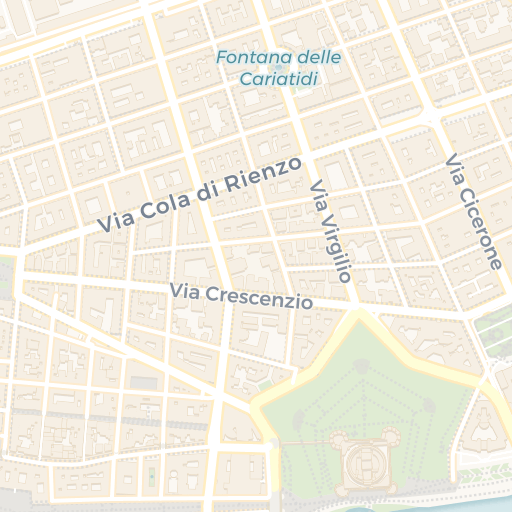
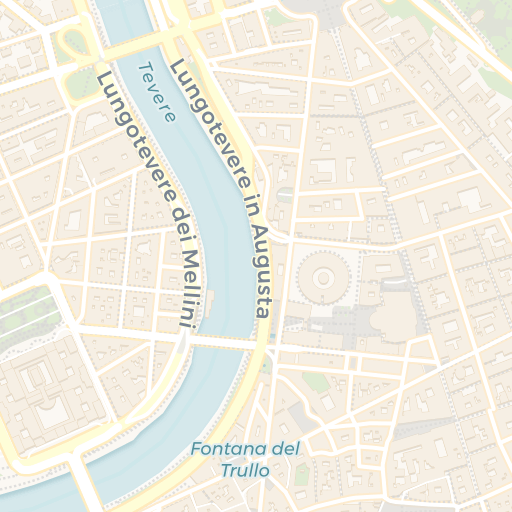
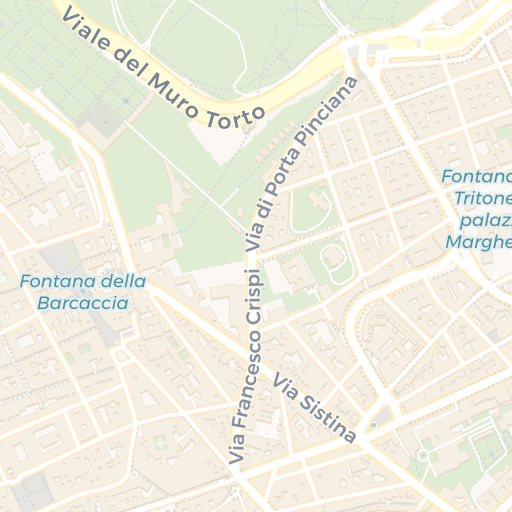
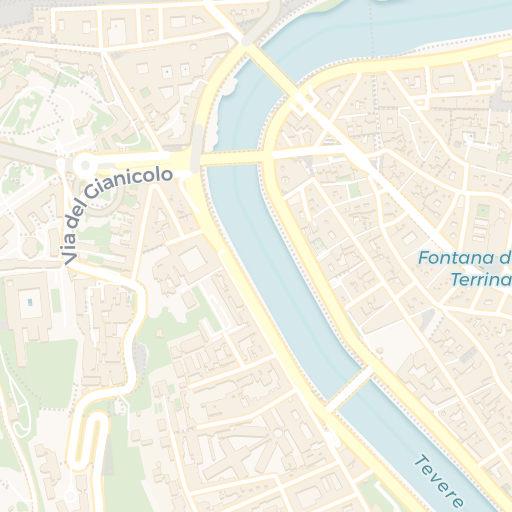
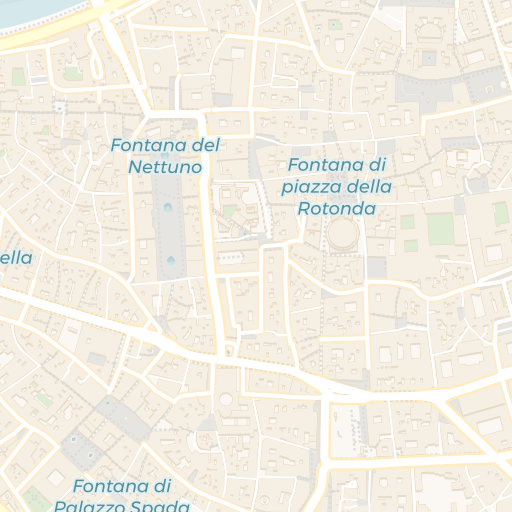
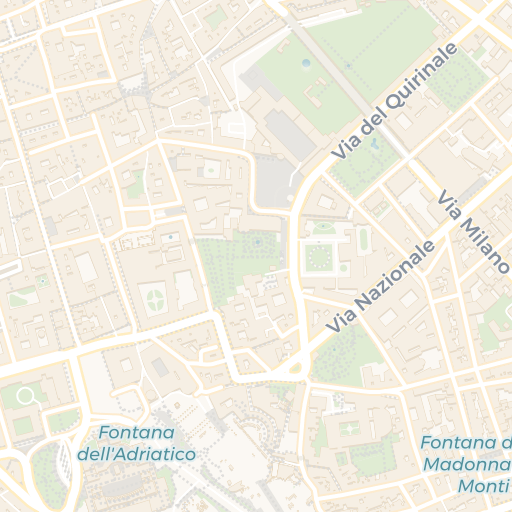
Get directions Open in Apple Maps
© OpenStreetMap contributors · © CARTO · 41.901, 12.4798
Plan your visit
It is free, and there is nothing to open
Turismo Roma publishes no opening hours, no price and no ticket link for the Column of Marcus Aurelius, and that absence is the operational fact: the column rises at the centre of Piazza Colonna, a public square, visible from every side at any hour.
What you can and cannot do
- Walk round it — the square is open on all sides and the frieze is continuous.
- Read it from the bottom — the narrative unwinds from the bottom upwards.
- Not climb it — there is a spiral staircase lit by slits inside, but the city publishes nothing about access to it.
Where it is
Piazza Colonna, on the Corso, between Montecitorio and the Trevi Fountain — one of the most heavily walked points in central Rome, which is why most visitors pass the column without stopping at it.
Ticket & Pass Decision Matrix
| Option | Cost | What it gets you | Booking | Verdict |
|---|---|---|---|---|
| Standing in the square | Free | The whole monument: 28 drums, the spiral frieze, the bronze Saint Paul | None | The entire visit. There is no other way to see it and no other version of it. |
| Coming back in raking light | Free | The relief reading as relief rather than as grey texture | None | Worth timing if you care about the carving. Midday flattens it. |
| Going inside | — | Nothing published. The internal stair is not an advertised visit. | — | Do not plan on it. |
| Pairing with Trajan's Column | Free | The model this column was inspired by, for direct comparison | None | The best single thing to do with it — fifteen minutes' walk apart. |
Verified against Turismo Roma, October 2026.
When to visit
Early or late, for the light. The frieze is deep relief on a curved surface: it needs a low sun across it. In the middle of the day the carving flattens into undifferentiated grey.
Any day, any season — nothing closes. There are no published hours because there is nothing to open.
Early morning for the square itself. Piazza Colonna sits on the Corso between Montecitorio and the Trevi; by late morning it is one of the busiest crossing points in the centre.
A clear day helps more than a warm one. The best detail is thirty metres up, and haze or flat cloud costs you the top third of the story.
Allow twenty minutes, not five. Reading the spiral from the Danube crossing upward, and walking a full circle to follow it round, takes longer than people expect of a monument with no door.