

Trajan's Column
Last updated on October 2, 2026Why visit Trajan's Column
The draw
It is a two-hundred-metre scroll carved in stone, and it is free, and it is on a pavement. Trajan's Column commemorates the emperor's victory in the Dacian Wars and was dedicated on 12 May 113. The frieze is imagined as a scroll wound in a spiral: it runs round the shaft 23 times, for roughly 200 metres, densely animated with scenes and some 2,500 figures, with Trajan himself appearing 59 times. The emperor's ashes were placed in the base in a golden urn, and since 1587 a statue of Saint Peter has stood on top where his own gilded bronze statue once did.
The problem when visiting
You cannot see most of it. From the ground you can read the bottom three or four turns and no more; even in antiquity it would have been difficult to follow the frieze from end to end, walking in circles with the head inclined. There is a spiral staircase of 185 steps inside and no authority publishes any way to use it — no hours, no ticket, nothing.
The tactic
Treat it as a fifteen-minute stop and go close. Get to the railings on the Via dei Fori Imperiali side, as near the base as the barrier allows, and read the opening of the campaign in the lowest turns — the army crossing the Danube on a bridge of boats, with the river god watching. Bring binoculars if you want anything above that. Pair it with Trajan's Market next door, which is ticketed and which gives you the forum from above.
Skip it if you:
- Expect to go inside or climb it. No hours, no tickets and no interior access are published by anyone. The 185 steps are not an offer.
- Want to see the whole frieze. You will see the bottom eighth of it. The casts in a museum show more than the original does.
- Are collecting standalone sights. This is fifteen minutes attached to something else, not a destination.
- Need shade or somewhere to sit. It is a traffic street with railings and no facilities.
Quick Facts
- Type: Monument, Tower, Historic Place, Roman
- Local name: Colonna Traiana (vedi la pagina italiana)
- Visitor access: Open to visitors
- Admission: Free
- Reservation: Not required — tickets on the door
- Typical visit: About 20 minutes
- Built: Dedicated <time datetime="0113-05-12">12 May 113 CE</time>
- Built for: Commemorating Trajan's victory in the Dacian Wars
- Architectural style: Roman triumphal column, probably by Apollodorus of Damascus
- A 200-metre scroll in stone: The frieze winds 23 times round the shaft and carries roughly 2,500 figures.
- Trajan's ashes were in the base: A golden urn held them; St Peter has stood on top since 1587.
Visit Responsibly
Stay behind the railings. The column stands within the excavated area of the Imperial Fora, and the barrier is there to keep feet off an archaeological site, not to manage a queue.
Be sceptical of anyone offering to take you inside. No authority publishes any means of climbing the 185 steps. An offer to do so is not a service the Sovrintendenza describes.
It costs nothing, so give elsewhere. The column is maintained by the Sovrintendenza Capitolina out of public funds. If it is the highlight of your afternoon, buy the ticket for Trajan's Market next door — that is the same authority, and it is the one that takes money.
Use binoculars rather than climbing on things. Every year people try to get height by standing on walls and bollards along the Fori Imperiali. Optics work better and break nothing.
Keep the pavement clear. Via dei Fori Imperiali carries heavy pedestrian traffic along a narrow strip between road and railings. A group stopped across it is a genuine obstruction.
Where it is
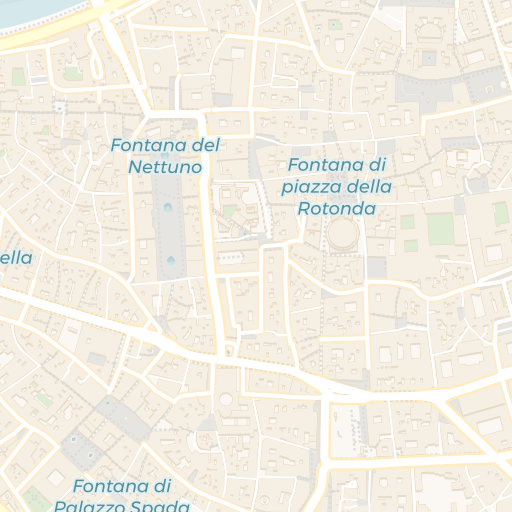
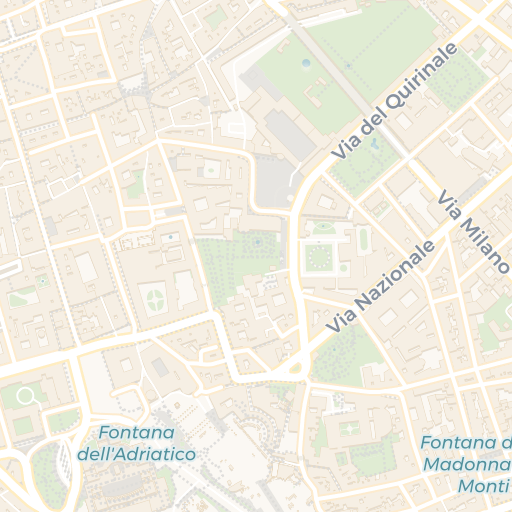
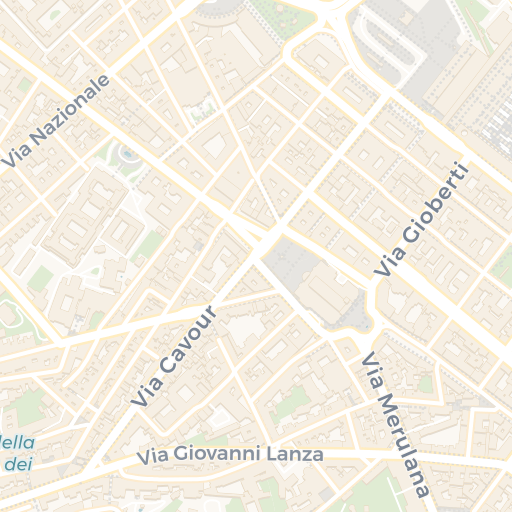
Get directions Open in Apple Maps
© OpenStreetMap contributors · © CARTO · 41.8959, 12.4844
Plan Your Visit
Admission: Free · NO ADMISSION CHARGE IS PUBLISHED by Turismo Roma or by the Sovrintendenza Capitolina, which owns the monument. The column stands at a public street address on Via dei Fori Imperiali and is seen from the pavement and the railings above the Forum of Trajan. THERE IS NO PUBLISHED WAY INSIDE: the shaft contains a spiral staircase of 185 steps leading to the summit, and neither the Sovrintendenza nor the city publishes hours, tickets or any means of climbing it. Treat it as an exterior monument.
Prices verified October 2026
Best viewpoint: The railings on the Via dei Fori Imperiali side, as close to the base as the barrier allows — the lowest three or four turns of the frieze are the only ones a standing visitor can actually read, and they carry the opening of the campaign.
Nothing is published, because there is nothing to publish
No hours, no admission and no interior access are published by any authority. Turismo Roma gives the address — Via dei Fori Imperiali — and no hours, no price and no telephone number, and points to the Sovrintendenza Capitolina. The Sovrintendenza's own page carries a full description of the monument and no visiting information at all.
That is not an oversight. The column is a free-standing monument on a public street, seen from the pavement and from the railings above the excavated forum. There is no gate, no desk and nothing to book.
You cannot go up it
The shaft contains a spiral staircase of 185 steps leading to the summit. Neither the Sovrintendenza nor the city publishes any way to use it — no hours, no tickets, no tours. Treat the column as an exterior monument, and be sceptical of anyone offering to take you inside.
Ticket & Pass Decision Matrix
| Option | Cost | What it gets you | Verdict |
|---|---|---|---|
| Look from the railings | Free | The base and the lowest three or four turns of the frieze | The only option, and it is the good eighth. The opening of the campaign is at the bottom. |
| Binoculars | Bring your own | Several more turns, legibly | The single best thing you can do here. Nothing else changes the visit as much. |
| Trajan's Market next door | Ticketed separately | The forum complex from above, and a museum | The natural pairing. Fifteen minutes at the column attaches naturally to a real visit. |
How to look at it
Get as close to the base as the barrier allows, on the Via dei Fori Imperiali side. The lowest turns are the only ones a standing visitor can read, and they happen to carry the start of the story — the army crossing the Danube on a bridge of boats, with the river god watching from the bank.
Look for Trajan. He appears 58 or 59 times depending on who counted. In any scene, he is the figure the composition is organised around.
Find the joints. The shaft is stacked drums with the relief carved across the seams after assembly. Spotting a horizontal joint running straight through a battle is the clearest evidence of how it was made.
Getting there
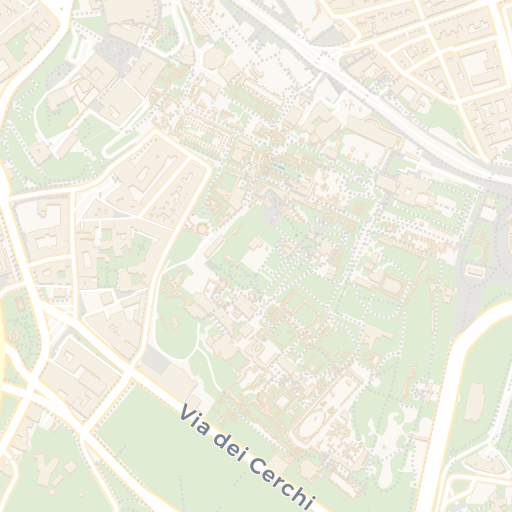
Via dei Fori Imperiali, at the north-west end of the Imperial Fora, between Trajan's Market and the church of Santissimo Nome di Maria.
Accessibility
No specific accessibility information is published by Turismo Roma or the Sovrintendenza. In practice the column is viewed from public pavement and railings on a level street, which makes it one of the easier Roman monuments to reach — there is no entrance to negotiate because there is no entrance. There is no shade and nowhere to sit.
Verified against Sovrintendenza Capitolina ai Beni Culturali, October 2026.
When to Visit
Morning or late afternoon, for the light on the relief. The frieze is shallow carving on white marble; flat midday light erases it, and raking light is what makes the figures read. This matters more here than at almost any other monument in Rome, because you are already working at the limit of what the eye can resolve.
There is no timetable to work around. No authority publishes hours, and the column stands on a public street. It can be seen at any hour.
It is lit at night, which makes a different and often better subject for a photograph than daytime, though less legible for actually reading scenes.
Avoid the middle of a summer day. Via dei Fori Imperiali is a wide, treeless traffic street. There is no shade at the railings.
Any season works otherwise. This is a fifteen-minute outdoor stop with no queue and no capacity limit, which makes it a useful thing to have in reserve when everything else in Rome is full.