

Domus Aurea
Last updated on October 5, 2026Why visit Domus Aurea
The draw
You go underground into the rooms that named a whole genre of painting. Buried and forgotten until the Renaissance, the Domus Aurea was re-entered when artists fascinated by antiquity — Pinturicchio, Ghirlandaio, Raphael and Giulio Romano — lowered themselves from above into those "grottoes" and copied the decoration they found. From where it was found it took the name grottesche, and the term "grotesque painting" is still used for a genre widespread in the sixteenth century that reworks Roman wall decoration.
It is the palace Rome tried to delete. Nero's successors stripped the halls, filled them with earth up to the vaults and used them as foundations; the Baths of Trajan went on top. The attempt to erase it is precisely what preserved it.
And the scale is hard to believe even now. The largest and most sumptuous of the imperial residences, from the Palatine to the Oppian and part of the Caelian, about one square mile, with an artificial lake in the valley where the Colosseum now stands and a vestibule holding a colossal statue of the emperor as the Sun God.
The friction
- Three days a week. It is visitable on Friday, Saturday and Sunday — and closed the first Sunday of every month.
- Timed entry, every 15 minutes, last entry 15.30. There is no wandering in.
- No price is published. Turismo Roma gives a ticket page and no figure.
- It is dark. The city puts it bluntly: the rooms are now dark and gloomy. The marble revetments are lost.
- You see one part of it. Only the Oppian Hill pavilions are visitable; the Palatine nucleus is not part of the visit.
The tactic
Check the date before anything else. Friday, Saturday or Sunday, and not the first Sunday of the month — the one day many visitors specifically choose for Rome's state sites.
Book, and book early in the day. Visits run every 15 minutes from 09.00 to 16.30 with last entry at 15.30; the ticket page is colosseo.it.
Read the dark as information, not disappointment. Turismo Roma is explicit that light was originally the predominant characteristic, when every room opened onto the portico with its view over the valley, the lake and the gardens. What survives is the inside of a building designed to be looked out of.
Look up, not at the walls. The marble revetments of the lower walls are lost; what remains is the upper walls and the ceilings, with paintings and stuccoes of mythical figures — Achilles and Scirus, Ulysses and Polyphemus, Hector and Andromache.
Pair it with the Colosseum by looking at the ground between them. The valley the amphitheatre stands in was Nero's lake; the two sites are one argument about what an emperor may take from a city.
Skip it if you:
- Cannot come on a Friday, Saturday or Sunday. There is no other opening.
- Want frescoed rooms in good light. This is a stripped, dark, underground shell.
- Are claustrophobic or need level ground. It is a buried building entered from above.
Quick facts
- Type: Ruins, Palace, Roman
- Local name: Domus Aurea (vedi la pagina italiana)
- Built: Begun after the fire of <span class="timeline-date">AD 64</span>
- Built by: The architects Severus and Celer, with decoration by a certain Fabullus or Famulus
- Built for: Nero, as a new imperial residence after the fire destroyed much of the centre of Rome
- Architectural style: Roman imperial palace — pavilions among gardens, woods and an artificial lake, with vaulted halls and painted stucco
- It gave the word "grotesque" to European art: Renaissance artists lowered themselves from above into what they took for grottoes and copied the decoration; from where it was found it was called grottesche.
- It survives because someone tried to erase it: Nero's successors filled the halls with earth up to the vaults; the Baths of Trajan built on top preserved some rooms to our day.
Visit responsibly
It is a fragile buried building, visited in small timed groups for a reason. Entry runs every 15 minutes on three days a week; the limit is the conservation policy, not a queueing system to be worked around.
What survives is on the ceilings, and it is all that is left. The marble revetments of the lower walls are lost; the paintings and stuccoes of the upper walls and vaults are the last original surfaces in the building. Touching a wall here is touching the only evidence.
The Renaissance visitors did real damage. Pinturicchio, Ghirlandaio, Raphael and Giulio Romano lowered themselves from above into these rooms and copied what they found — an act of transmission that also opened a sealed environment. The modern rules exist because that history is known.
Remember what the building cost the city. It was raised after a fire that destroyed much of the centre of Rome, took about a square mile of the city for one household, and filled it with statues brought from Greece and Asia Minor. The reaction of Nero's successors is part of the site's meaning.
The Colosseum valley belongs to this visit too. It was the palace's artificial lake before it was an amphitheatre open to the city. Walking it afterwards costs nothing and completes the argument.
Where it is
Get directions Open in Apple Maps
© OpenStreetMap contributors · © CARTO · 41.8908, 12.4954
Plan your visit
Three days a week, and not the first Sunday
The Domus Aurea is visitable on Friday, Saturday and Sunday, with visits every 15 minutes from 09.00 to 16.30 and last entry at 15.30.
The Domus Aurea is closed the first Sunday of every month. That is the trap worth repeating, because it is the Sunday many visitors deliberately choose for Rome's state sites.
Tickets, and the price nobody publishes here
Turismo Roma gives a ticket page — colosseo.it/biglietti/domus-aurea — and no price at all, so no figure is quoted on this page. Entry runs in timed slots every 15 minutes, which is the shape of a booked visit; the city does not say whether tickets are also sold at the door.
What is actually open
The pavilions you can visit are those on the Oppian Hill, probably intended for feasts and banquets, which were buried by the great baths of Trajan after Nero's death. The Palatine nucleus of the palace is not part of this visit.
Where it is
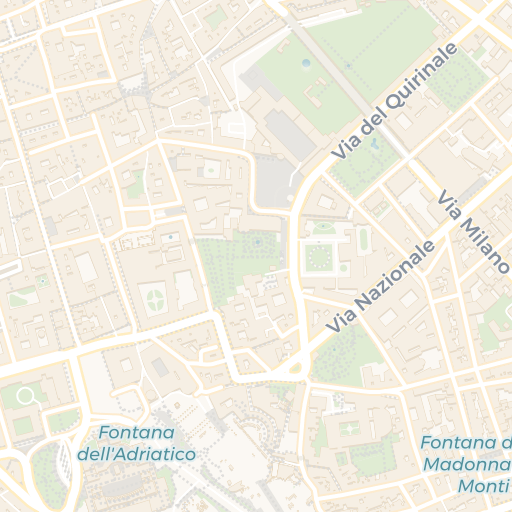
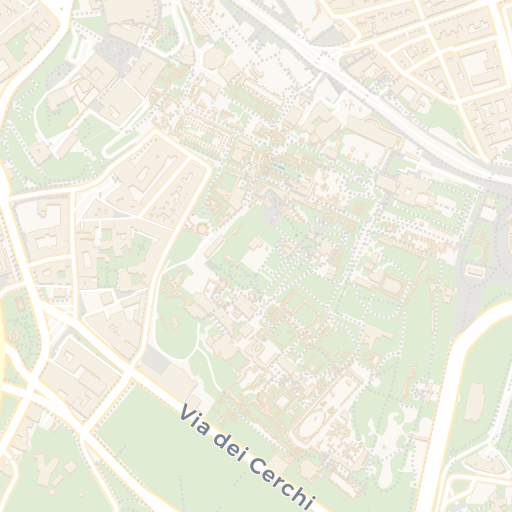
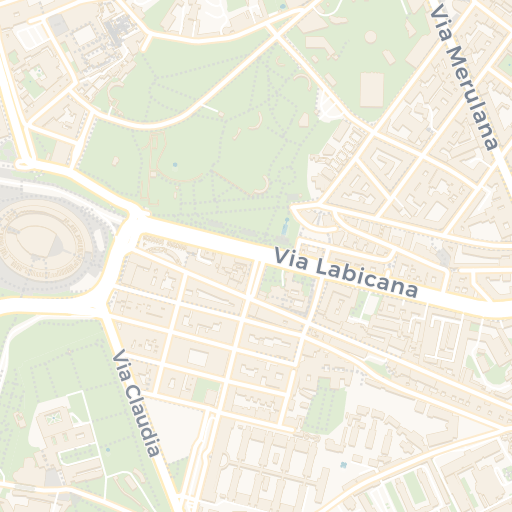
Via della Domus Aurea 1, on the Oppian Hill above the Colosseum valley — the valley that was Nero's artificial lake.
Ticket & Pass Decision Matrix
| Option | Cost | What it gets you | Booking | Verdict |
|---|---|---|---|---|
| A timed visit, Friday to Sunday | Not published by the city | The Oppian Hill pavilions: vaulted halls, surviving ceiling painting and stucco | Via colosseo.it | The only way in. There is no alternative ticket and no other opening. |
| An early slot (from 09.00) | Same | The same rooms, at the start of the day's 15-minute cycle | Via colosseo.it | Preferable. Last entry is 15.30, so the day is shorter than it looks. |
| The first Sunday of the month | — | Nothing. It is closed. | — | Check the date first. This is the single most expensive mistake available here. |
| Monday to Thursday | — | Nothing. It is not visitable. | — | Plan the Colosseum valley for those days instead and come back at the weekend. |
| Looking at the Colosseum valley instead | Free | The ground that was the palace's artificial lake | None | Not a substitute, but it is the other half of the story and costs nothing. |
Verified against Turismo Roma, October 2026.
When to visit
Friday, Saturday or Sunday — there is no other option. The Domus Aurea is visitable on those three days only, with visits every 15 minutes from 09.00 to 16.30.
Not the first Sunday of the month. The Domus Aurea is closed then, which catches people precisely because that Sunday is when Rome's state sites are most sought out.
Early in the day. Last entry is 15.30, an hour before the 16.30 end of visits, so an afternoon plan has less room in it than the published range suggests.
Summer heat is not a reason to avoid it — it is a reason to come. This is an underground site: the rooms the city describes as dark and gloomy are also the cool ones, in a city where the Colosseum valley next door has no shade at all.
Weather barely matters. Nothing of the visit is in the open air, so rain that ruins the Forum leaves this unchanged.