

Keats-Shelley House
Last updated on October 4, 2026Why visit Keats-Shelley House
The draw
It is the room where John Keats died, and it is four metres from the Spanish Steps. He arrived in Rome in November 1820, took a two-room apartment on the second floor of the house at the foot of the Steps, and died there on 23 February 1821, aged twenty-five, nursed by the painter Joseph Severn. The apartment is now a museum with one of the finest libraries of Romantic literature in Europe — the association's own description — and a collection of manuscripts, paintings and relics of Keats, Shelley, Byron and their circle.
The friction
It is small, it is upstairs, and it keeps shop hours. Monday to Saturday, 10.00-13.00 and 14.00-18.00, with a two-hour closure in the middle of the day and a last entrance at 17.45. It is closed on Sundays, the reverse of most Roman museums. And it is a literary house museum: if the poetry means nothing to you, it is a few rooms of furniture and paper.
The tactic
Come at 10.00 or at 14.00, straight after a closure, and go to the window. The crowd on the Steps outside is at its thinnest early, and the room is small enough that two tour groups fill it. The thing worth standing still for is the window of Keats's room looking down on the Barcaccia — the one element of the house that has not been arranged by anybody.
Skip it if you:
- Are here on a Sunday. Closed — the reverse of most Roman museums, and the most common wasted journey to this door.
- Arrive between 13.00 and 14.00. A two-hour midday closure, in the middle of exactly when most people pass the Spanish Steps.
- Do not read the poetry. This is a two-room literary house: manuscripts, letters, a death mask and a library. There is nothing else to look at.
- Cannot manage stairs. The museum is on an upper floor of a historic house; contact them before travelling.
- Have fifteen minutes. Last entrance is 17.45 for an 18.00 close, which is not enough for what is here.
Quick facts
- Type: Museum, Famous Person Site, Historic Place
- Local name: Casa di Keats e Shelley (vedi la pagina italiana)
- Visitor access: Open to visitors
- Reservation: Not required — tickets on the door
- Typical visit: About 45 minutes
- Built: Keats died here on <time datetime="1821-02-23">23 February 1821</time>; dedicated as a memorial <time datetime="1909-04">April 1909</time>
- Built for: The lodging where John Keats died, bought by subscription and kept as a memorial and library
- Architectural style: A second-floor apartment in a house on Piazza di Spagna, kept as a period interior and museum
- He was twenty-five: Keats arrived in November 1820 and died on 23 February 1821, nursed by the painter Joseph Severn.
- The collection survived Montecassino: Sent there for safety in 1941; the abbey was bombed and the archivist got the boxes out.
Visit responsibly
It is a library as well as a museum. The reading rooms and shelves are a working collection, not set dressing; keep voices down and do not handle what is not in a case.
The rooms are small and the objects are paper. Manuscripts, letters and first editions are light-sensitive and the spaces are tight — keep bags in front of you and observe whatever the museum says about photography on the day.
Buy at the door. It is a EUR 7 ticket run by a memorial association rather than a state museum, and the admission is what keeps the house open.
This is somebody's deathbed, not a photo opportunity. The room is presented plainly and quietly, and the usual courtesy applies.
Where it is
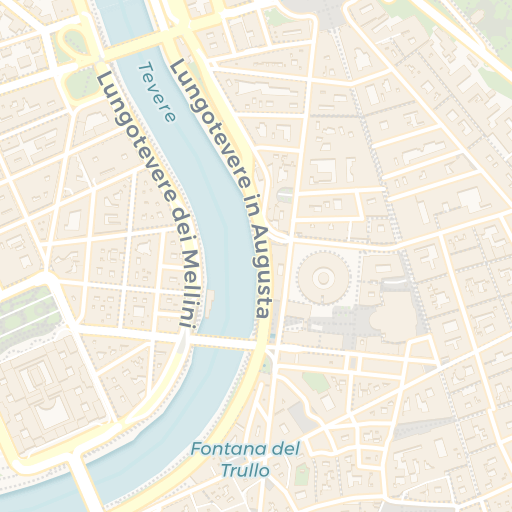
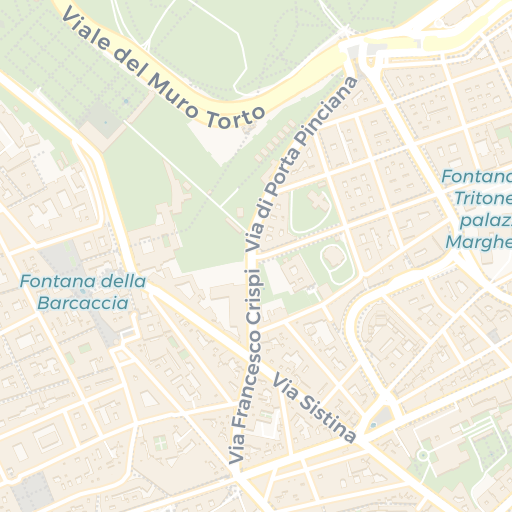
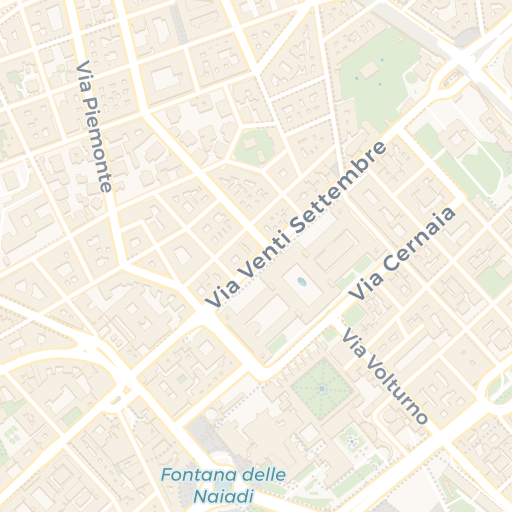
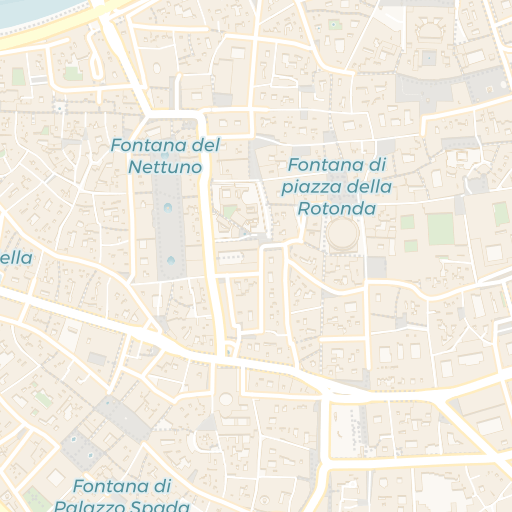
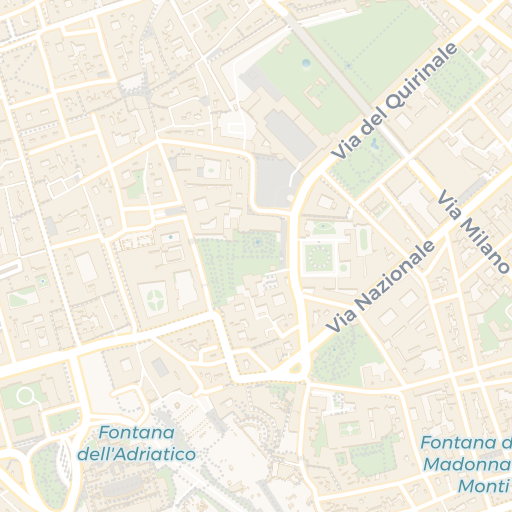
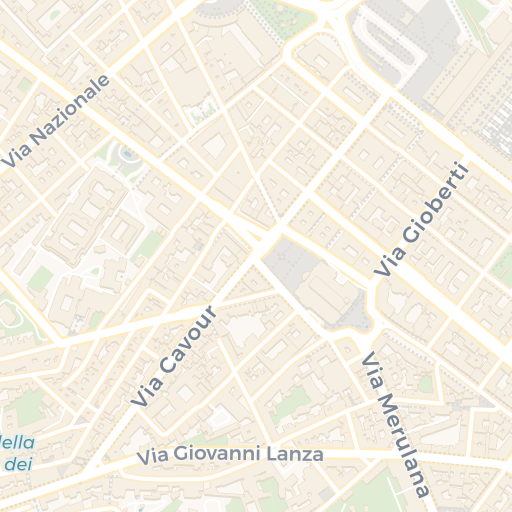
Get directions Open in Apple Maps
© OpenStreetMap contributors · © CARTO · 41.9058, 12.4826
Plan your visit
Best viewpoint: The window of Keats's room, looking down onto the Steps and the Barcaccia — it is the view he had from the bed, and the one thing in the house that has not been assembled by a curator.
Opening hours
Monday to Saturday, 10.00-13.00 and 14.00-18.00. Last entrance 17.45.
Two things to plan around. There is a two-hour closure in the middle of the day, so arriving at 13.15 means waiting. And the museum is closed on Sundays — the reverse of most Roman museums, which close on Monday and open at the weekend.
The museum occasionally announces additional closures on its own visit page; it is worth a look before setting out.
Tickets
- EUR 7 standard, adults 18-64
- EUR 5 reduced — under 18, 65 and over, valid students, and members
- Free for ICOM members, children under 6, and visitors with disabilities
Where it is
Piazza di Spagna 26, in the house immediately to the right of the Spanish Steps as you face them. It is one of the easiest addresses in Rome to find and one of the easiest doors to walk past.
How long
About 45 minutes. It is a small museum and a dense one; the library and the cases reward slow reading rather than circulation.
What is free
The doorstep, and that is not a joke about this address. The house stands at the foot of the Spanish Steps beside Bernini's Barcaccia, and the view Keats had — the Steps, the fountain, the square — costs nothing and is where most people stop anyway. The museum itself is entirely ticketed.
Free admission is published for ICOM members, children under 6 and visitors with disabilities.
Ticket & Pass Decision Matrix
| Option | Cost | What it gets you | Queue and booking | Verdict |
|---|---|---|---|---|
| Standard entry | EUR 7.00 | The whole museum: Keats's room, the death mask, the library and the cases | No booking; last entrance 17.45 | The default, for adults 18-64. |
| Reduced | EUR 5.00 | Identical | Carry proof of age, student status or membership | Under 18, 65 and over, valid students and members. |
| The free zone — the Steps and the Barcaccia | EUR 0 | The square the window looks onto | None | It is the view from the room, and it is outside the door. |
| ICOM, under 6, visitors with disabilities | EUR 0 | Identical to standard entry | Show membership or documentation | Published by the association. |
| Reseller or combined “Spanish Steps tour” ticket | Above EUR 7.00 | Identical museum | — | Avoid. It is a EUR 7 door with no queue, run by the association that keeps the house. |
At the gate: Monday to Saturday, 10.00-13.00 and 14.00-18.00, last entrance 17.45, closed Sundays. Additional closures are announced on the museum's own visit page.
Verified against Keats-Shelley Memorial Association, October 2026.
When to visit
At 10.00, or at 14.00 right after the midday closure. Those are the two moments the rooms are empty, and in a museum this small the difference between empty and busy is the difference between reading the cases and queuing behind them.
Not on a Sunday — it is shut. That is the single most common wasted journey here, because Sunday is when most visitors have time for museums and when the Spanish Steps are at their fullest.
Avoid the last half hour. Last entrance is 17.45 for an 18.00 close, which gives fifteen minutes: not enough for forty-five minutes of material.
The Steps outside are busiest in the late afternoon and at sunset. If the crowd outside matters to you, the morning visit solves both problems at once.