

Mausoleum of Santa Costanza
Last updated on October 5, 2026Why visit Mausoleum of Santa Costanza
The draw
Some of the oldest Christian mosaics in Rome are of grapes, peacocks and doves. The 4th-century mosaics on the vault of the ambulatory — geometric motifs, fruit, flowers, peacocks, doves and grape-harvest scenes — are among the oldest monumental Christian mosaics surviving in Rome and an extraordinary example of the late Roman artistic inheritance from which early Christian art originated.
They worked so well that the building changed identity. As a typical case of the adaptation of pagan themes to the Christian tradition, they long caused the mausoleum to be identified with a temple of Bacchus.
And that produced a drinking club. In the seventeenth century the mausoleum was the meeting place of the Bent-vogels, a bizarre association of Dutch and Flemish artists. Each new member was celebrated with abundant libations in an osteria on the via Nomentana; after the night's revelry they came to the temple of Bacchus and made a last solemn toast before the porphyry sarcophagus, held to be the tomb of the god. The celebrations could last up to three days and three nights, until Clement XI forbade the custom in 1720 because it profaned the ancient mausoleum — and the names of some of the Bent-vogels, carved in niches of the ambulatory, can still be read today.
The architecture is a milestone. Among the first examples, with the Lateran Baptistery, of a Christian building on a central plan with ambulacrum, derived from the Pantheon, the Mausoleum of Augustus and the Martyrium of the Holy Sepulchre in Jerusalem — destined to influence a great part of medieval architecture.
The friction
- No opening hours and no price are published. The city refers visitors to the official site.
- The sarcophagus is a copy. The original red porphyry one is in the Vatican Museums.
- The dome lost its mosaics. Urban VIII had them removed because they were seriously damaged.
- You may walk into a wedding. The city records that it is much loved by couples marrying with a religious rite.
- It is out on the Via Nomentana, beyond the walls.
The tactic
Walk the ring, looking up. The surviving mosaics are on the vault of the circular corridor, not in the dome — so the visit is a slow lap of the ambulatory with your head back.
Find the carved names. Some of the Bent-vogels cut theirs into niches of the ambulatory, and they are still readable today. Graffiti from a seventeenth-century drinking society, in a fourth-century imperial tomb.
Look at the niche mosaics too. Besides the vault, there are mosaics in the niches showing the handing of the keys to Saint Peter and the handing of the law to Saints Peter and Paul; and at the sides of the entrance, Costanza and her husband Hannibalianus are portrayed.
Do it with Sant’Agnese. The mausoleum was built close against the great cemeterial basilica and its narthex with two apses was the link between them; they are one visit.
Remember who drew it before you. It was studied and drawn by Antonio da Sangallo, Vignola and Piranesi, whose sketches bear witness to decorations now vanished.
Skip it if you:
- Want the original sarcophagus. It is in the Vatican Museums.
- Need a guaranteed opening time. None is published.
- Dislike the risk of arriving during a ceremony. Weddings are frequent here.
Quick facts
- Type: Mausoleum, Sacred Place, Historic Place, Roman
- Local name: Mausoleo di Santa Costanza (vedi la pagina italiana)
- Built: Erected at the <span class="timeline-date">beginning of the 4th century</span>
- Built by: Costantina, or Costanza, daughter of the Emperor Constantine
- Built for: Her own mausoleum, beside the cemeterial basilica she had built at the tomb of Agnes
- Architectural style: Late-antique central plan with ambulacrum, dome of 22.50 m on twelve pairs of granite columns
- Mistaken for a temple of Bacchus: Its grape-harvest mosaics — pagan themes adapted to Christian tradition — long caused the mausoleum to be identified as a temple of the wine god.
- A drinking club met here until 1720: The Bent-vogels toasted before the porphyry sarcophagus for up to three days and nights, until Clement XI banned it; their carved names are still readable.
Visit responsibly
This is a tomb that has already been emptied and stripped. The red porphyry sarcophagus is in the Vatican Museums and the dome mosaics were removed by Urban VIII. What is left is the ambulatory vault, and it is the whole of what survives.
The mosaics are 4th-century and among the oldest in Rome. They are among the oldest monumental Christian mosaics surviving in Rome and an extraordinary example of the late Roman artistic inheritance from which early Christian art originated. A small domed room fills quickly, and flash does real damage.
The carved names are a warning, not a licence. The Bent-vogels cut their names into the ambulatory niches during revels that Clement XI banned in 1720 because they profaned the ancient mausoleum. The graffiti are historic; adding to them is vandalism.
It is used for weddings. The city records that it is much loved by couples marrying with a religious rite — a ceremony here is not a photo opportunity.
It belongs to a burial complex. The mausoleum was built close against the great cemeterial basilica at the underground cemetery where the martyr Agnes was buried.
Where it is
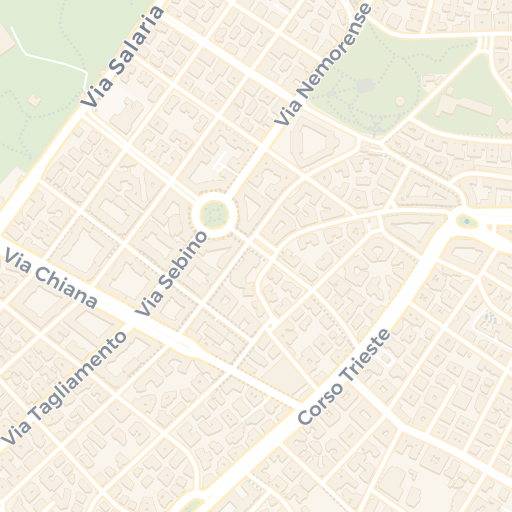
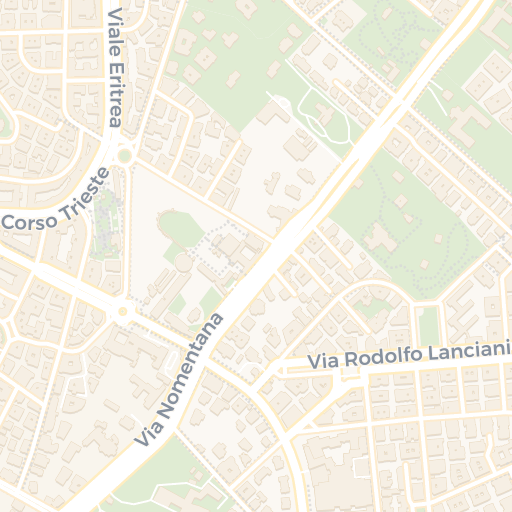
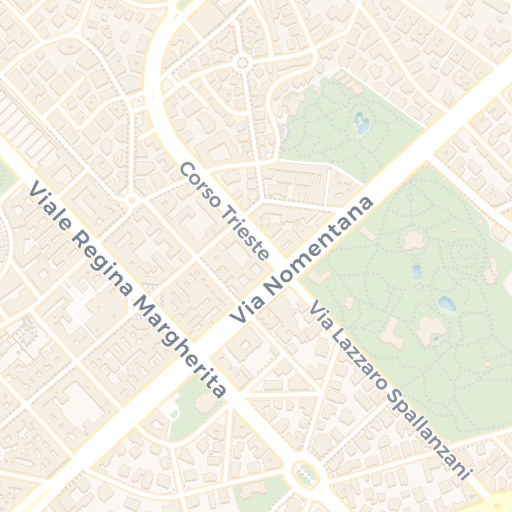
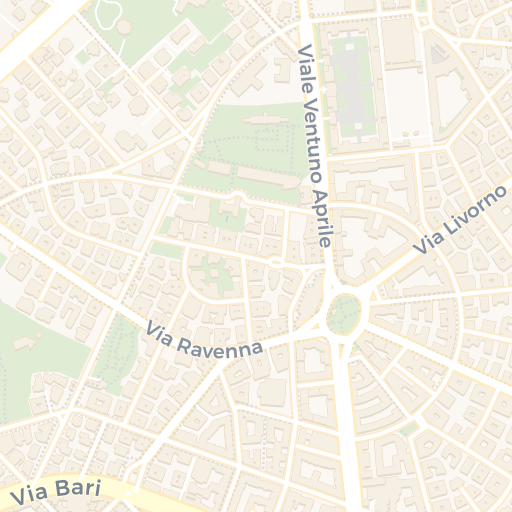
Get directions Open in Apple Maps
© OpenStreetMap contributors · © CARTO · 41.9226, 12.5174
Plan your visit
No hours and no price are published
For the whole complex of Sant’Agnese fuori le Mura and the Mausoleum of Santa Costanza, Turismo Roma publishes one line: consult the official site for access times and visit information. There is no timetable and no admission price on the city's page.
Expect a wedding
The city records that, thanks to its evocative setting, its extraordinary charm and the uniqueness of its architecture, the Mausoleum of Santa Costanza is much loved by couples who marry with a religious rite. The building may well be in use when you arrive.
What is original and what is not
- Original: the 4th-century mosaics on the vault of the ambulatory, the twelve pairs of granite columns, the niche mosaics, the Bent-vogels' carved names.
- Not here: the red porphyry sarcophagus of Costanza — the end niche holds a copy, the original being in the Vatican Museums.
- Gone: the dome mosaics, removed on the orders of Urban VIII as seriously damaged.
Where it is
Via Nomentana 349, in the same grounds as the Basilica of Sant’Agnese fuori le Mura, against which it was deliberately built.
Ticket & Pass Decision Matrix
| Option | Cost | What it gets you | Booking | Verdict |
|---|---|---|---|---|
| The mausoleum | Not published | The ambulatory mosaics, the twelve column pairs, the niche mosaics, the carved names | Check the official site | The visit. The ambulatory vault is one of the oldest Christian mosaic cycles in the city. |
| Mausoleum + Sant’Agnese | Not published | Both monuments, built as a single piece of planning | Same site | The right way to do it. The narthex apses were the link between them. |
| Arriving during a wedding | — | Possibly no access to the interior | — | A real risk here, and the city says so. |
| Going for the sarcophagus | — | A copy. The original is in the Vatican Museums. | — | Know that before you make the trip. |
Verified against Turismo Roma, October 2026.
When to visit
Only after checking the official site. Turismo Roma publishes no access times for this complex and refers visitors there for hours and visiting information.
Avoid Saturdays if you can. The mausoleum is much loved by couples who marry with a religious rite, and a ceremony means the interior is not yours.
Bright days help more than you would think. The surviving mosaics are in the barrel-vaulted ambulatory, the dim outer ring — and the only strong light in the building comes through the twelve arched windows of the centre and across.
Pair it with Sant’Agnese in one trip. They stand in the same grounds, and the mausoleum's narthex with two apses was built as the link to the basilica.
Any season. It is a small enclosed building, quiet in a way few monuments of this importance are.