

Museo Nazionale Etrusco di Villa Giulia
Last updated on October 4, 2026Why visit Museo Nazionale Etrusco di Villa Giulia
The draw
The best Etruscan collection in the world is in a papal pleasure villa, and the villa would be worth the trip on its own. The Sarcophagus of the Spouses is here — a nearly life-size terracotta couple the museum dates to 530-520 BCE, reclining and mid-conversation, with a directness that no Greek or Roman funerary monument attempts. So is the Apollo of Veii, the Pyrgi gold tablets and the Ficoroni Cista. The building around them is Villa Giulia, built for Pope Julius III between 1551 and 1553, with a sunken nymphaeum of three loggia levels that is among the finest garden architecture in Rome.
The friction
It is out of the centre and it is not on the way to anything. The museum sits north of the historic core, by the Villa Borghese gardens, and it is a deliberate trip rather than something you fall into between the Pantheon and the Spanish Steps. Two hours is a realistic minimum; the Etruscans are also genuinely unfamiliar to most visitors, and the collection does not hold your hand.
The tactic
Do the nymphaeum first, then the collection. The route through the galleries does not push you out into the sunken court, and plenty of people leave without seeing the thing the villa was built around. Watch the clock at the end of the day — last admission is 18.30 although the museum closes at 19.30, which catches people out. Pair it with the Galleria Nazionale d'Arte Moderna next door if you want a full day on this side of the park.
Skip it if you:
- Have two days in Rome. This is a deliberate trip to the far side of the Borghese gardens for a civilisation most visitors have never read a line about.
- Arrive after 18.30. Last admission, regardless of the 19.30 on the door.
- Are coming on a Monday. Closed, as are 25 December and 1 January.
- Want Roman antiquity. The Etruscans are what Rome replaced, and the collection is deliberately pre-Roman.
- Need a short visit. Under two hours the villa and the collection fight each other and you get neither.
Quick facts
- Type: Museum, Mansion, Historic Place
- Local name: Museo Nazionale Etrusco di Villa Giulia (vedi la pagina italiana)
- Visitor access: Open to visitors
- Reservation: Not required — tickets on the door
- Typical visit: About 2 hours
- Built: Villa built <time datetime="1551">1551</time>-<time datetime="1553">1553</time>; museum founded <time datetime="1889">1889</time>
- Built for: A summer villa for Pope Julius III, later the national museum of Etruscan antiquities
- Architectural style: Mannerist villa by Vignola, with the nymphaeum and garden structures by Bartolomeo Ammannati
- Four architects, and an argument: Vignola built it, Ammannati did the nymphaeum, Michelangelo offered a design that was not used, and Vasari claimed the whole conception.
- The Spouses are terracotta, not stone: The museum dates them 530-520 BCE. Nearly life-size, modelled in clay, and found at Cerveteri.
Visit responsibly
The nymphaeum is a structure, not a viewpoint. Its balustrades, statues and loggia levels are sixteenth-century stonework at the edge of a water court; stay on the circulation levels and off the balustrades.
Terracotta is more fragile than it looks. The Sarcophagus of the Spouses and the Apollo of Veii are fired clay, nearly life-size, and assembled from fragments. Keep bags in front of you in the narrow rooms, and observe whatever the museum says about flash on the day.
Buy at the museum. It is a state museum at EUR 13; there is no queue worth paying a reseller to skip.
Where it is
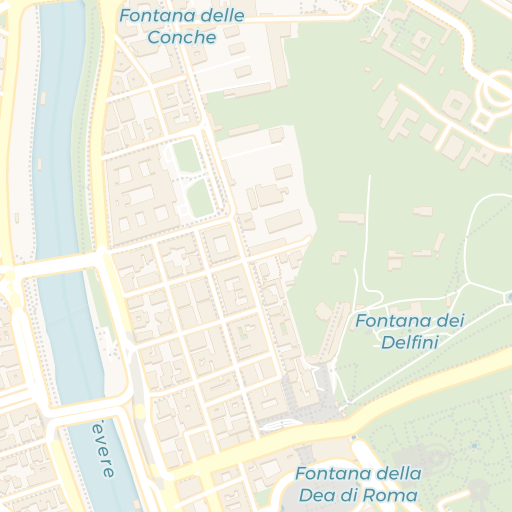
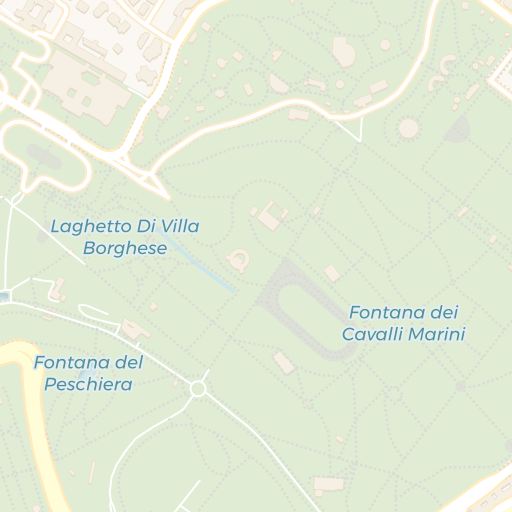
Get directions Open in Apple Maps
© OpenStreetMap contributors · © CARTO · 41.9186, 12.4763
Plan your visit
Best viewpoint: The upper level of the nymphaeum, looking down into the sunken court — it is the view the villa was designed around, and it is easy to miss because the route through the collection does not force you out there.
Opening hours
Tuesday to Sunday, 08.30-19.30. Closed Mondays.
Three times matter at the end of the day, and the museum publishes all three:
- The museum closes at 19.30
- The rooms close at 19.00
- Last admission is 18.30
That gap is the single most useful thing to know before coming: arriving at 19.00 for a museum that closes at 19.30 means not getting in at all.
Tickets
EUR 13 full, EUR 2 reduced. Both figures are as the museum publishes them.
Where it is
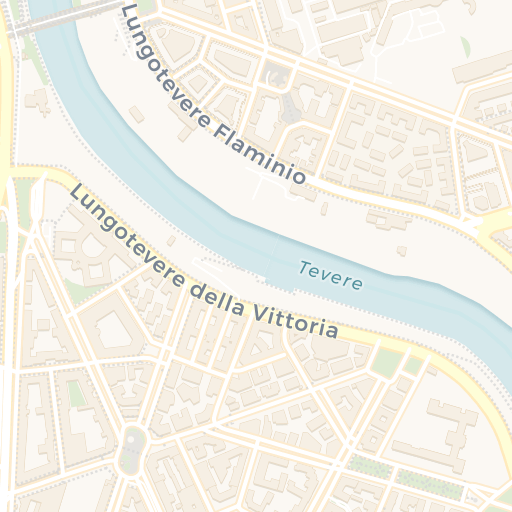
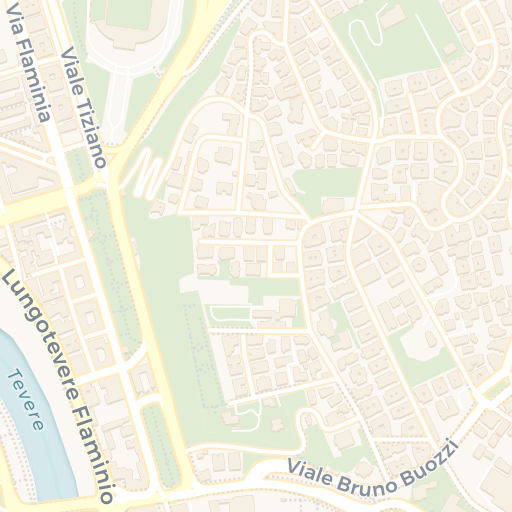
Piazzale di Villa Giulia 9, 00196 Roma, north of the historic centre near the Villa Borghese gardens. This is a destination rather than a stop on a walking route.
How long
Allow two hours as a minimum for the collection and the villa together. The nymphaeum is not on the main gallery route; go and find it.
What is free
Nothing of the museum, and that is worth saying plainly — this is a ticketed state museum and the villa cannot be walked into from the street. What the museum does publish is a garden-only ticket at EUR 4, sold for events, and a list of days when everyone enters free: the first Sunday of each month, 25 April, 2 June and 4 November. Annual pass holders are free on any day.
Ticket & Pass Decision Matrix
| Option | Cost | What it gets you | Queue and booking | Verdict |
|---|---|---|---|---|
| Standard entry | EUR 13.00 / EUR 2.00 reduced | The collection and the villa, including the nymphaeum | No reservation published for individuals; last admission 18.30 | The default. The reduced price is unusually low — check whether you qualify. |
| Garden only | EUR 4.00 | The gardens, for events | As the event states | Only useful if an event is on. It is not a cheap way into the collection. |
| Free days | EUR 0 | Identical to standard entry | Expect the busiest conditions of the month | First Sunday, 25 April, 2 June, 4 November. Published by the museum. |
| Annual pass | As the pass | Identical | — | For residents and repeat visitors; the museum lists holders as free. |
| Reseller or skip-the-line ticket | Above EUR 13.00 | Identical | — | Avoid. There is no queue here worth a markup; this is not the Borghese. |
At the gate: three times govern the end of the day and only one of them matters — the museum closes at 19.30, the rooms at 19.00, and last admission is 18.30. Closed Mondays, 25 December and 1 January.
Verified against Museo Nazionale Etrusco di Villa Giulia, October 2026.
When to visit
Open at 08.30, which is early for a Rome museum, and worth using. The first hour is the quietest, and the villa's courtyards and nymphaeum are outdoor spaces that are far better before the day heats up.
Avoid arriving after 18.00. Last admission is 18.30 and the rooms begin closing at 19.00, so a late arrival buys a rushed half-hour rather than the two hours the collection needs.
Closed Mondays, like most of the state museums in Rome, which makes Monday the day the remaining open sites are busiest.