

Orto Botanico di Roma
Last updated on October 5, 2026Why visit Orto Botanico di Roma
The draw
Twelve hectares of hillside garden, five minutes from Trastevere, that most visitors to Rome never hear about. Over 2,500 species on the slopes of the Janiculum, in the park of Villa Corsini, once the residence of Christina of Sweden, over the archaeological area of the Horti Getae — anciently the baths of Septimius Severus.
The collections are genuinely first-rank. The bamboo collection is among the richest in Europe; the palm collection has been included in the red lists of the International Union for Conservation of Nature; and there are over 300 specimens more than a century old, belonging to over 130 species — oriental planes, cork oaks, Turkey oaks, downy oaks, Himalayan cedars.
And there is a reason to come in every season. In April, the Hanami — the cherry blossom in the Japanese Garden, for which the garden lays on free guided visits and events linked to Japanese culture; in May the rose garden, with about 60 species illustrating the evolution of the genus Rosa over the last 2,000 years; late-summer flowerings in the rhododendron garden; and in autumn the foliage, when the maples turn yellow, orange and red.
The friction
- It is not free on the first Sunday of the month. The garden says so explicitly — the ticket is always payable — unlike Italy's state museums.
- No base price is published on the pages consulted; only the guided-visit supplement and the concession categories.
- Several areas are not wheelchair-accessible, and the garden names them.
- Online tickets are sold on determined dates only; otherwise you buy at the gate.
- No refunds. The date can be changed by email, but the money does not come back.
- No dogs, except guide dogs for the blind.
The tactic
Do not plan a free first Sunday. This is the single most common mistake available here, and the garden pre-empts it in its own FAQ.
Just turn up and buy at the gate. Booking is not necessary for individuals — it is enough to buy the ticket — and booking is required only for schools and groups.
Come in April if you can choose. The Hanami in the Japanese Garden, with its cherry trees, camellias and magnolias, water effects, small waterfalls and two little lakes, is the one date the garden promotes itself.
Use your hands and nose in the Garden of Aromas. Its species are recognisable through their tactile or olfactory characteristics, and all the plants are labelled in Braille.
Add a guide for four euro. The supplement is 4,00 EUR a person on the full ticket and 2,00 EUR on the reduced, and a guided visit runs about 90 minutes — though a minimum of 10 participants applies.
Bring lunch. Eating inside is permitted, in respect of the garden's historic and museum character; the refreshment area with tables is open only at weekends, and there is a vending machine.
Skip it if you:
- Expected a free state museum. It is not one.
- Need every part of a site to be step-free. Several named areas are not.
- Are travelling with a dog. Only guide dogs are admitted.
Quick facts
- Type: Garden, Museum, Nature
- Local name: Orto Botanico di Roma (vedi la pagina italiana)
- Built: In its definitive location since <time datetime="1883">1883</time>
- Built by: Villa Corsini restored by Ferdinando Fuga; the naturalistic area created by Pietro Romualdo Pirotta
- Built for: The botanical garden of the university, moved to Villa Corsini alla Lungara
- Architectural style: Historic villa park with eighteenth-century fountains and three historic greenhouses
- Not free on the first Sunday: The garden states it plainly in its own FAQ: the ticket is always payable, unlike Italy's state museums.
- Braille on every plant in the Garden of Aromas: Its species are recognisable by touch or smell, and all the plants carry labels in Braille.
Visit responsibly
This is a scientific collection, not a park. The Orto Botanico is an integral part of the Department of Plant Biology of the Sapienza University of Rome, and its over 2,500 species are held for research as much as for pleasure.
Some of what grows here is on a global red list. The palm collection, for the number of specimens and the presence of rare species, has been included in the red lists of the International Union for Conservation of Nature.
Many of the trees cannot be replaced in a lifetime. There are over 300 specimens more than a century old, belonging to over 130 species, and the Mediterranean wood bears witness to the vegetation that once covered the Janiculum.
Touch only where you are invited to. The Garden of Aromas is designed to be recognised through tactile and olfactory characteristics, with Braille labels — everywhere else, hands off.
Eat carefully or not at all. The garden permits eating in respect of the historic and museum character of the Garden; tables exist only at weekends.
Leave the dog at home. Entry is not permitted to dogs, with the exception of guide dogs for the blind.
Where it is
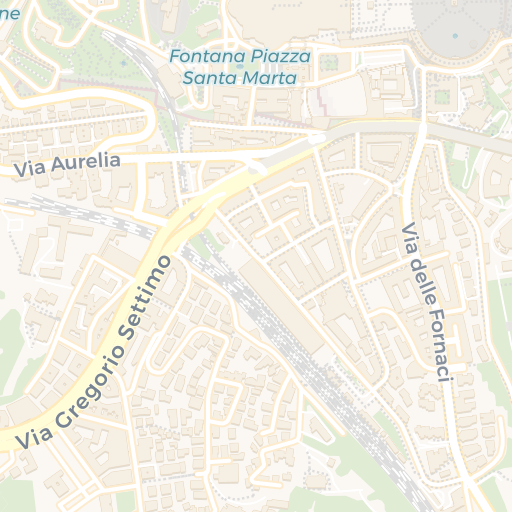

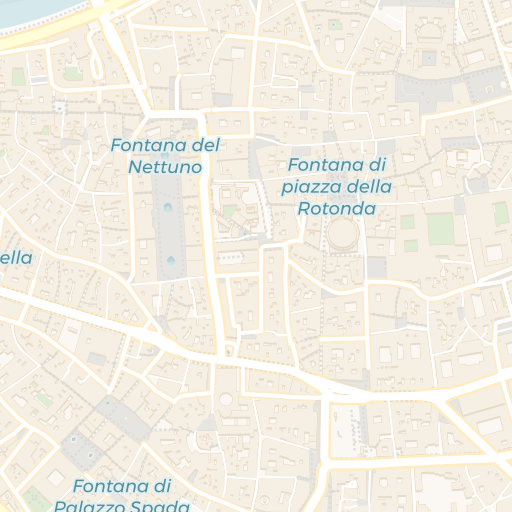

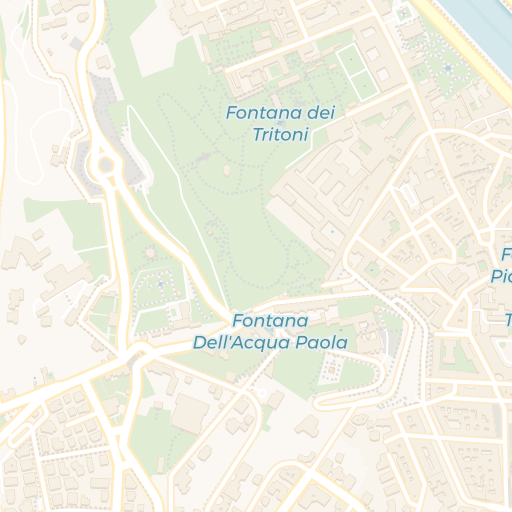
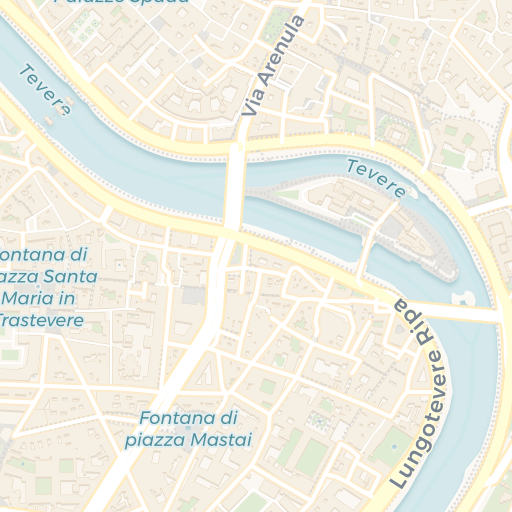
Get directions Open in Apple Maps
© OpenStreetMap contributors · © CARTO · 41.8922, 12.466
Plan your visit
It is never free — not even on the first Sunday
The garden answers this itself: "Is the museum free on the first Sunday of the month? No, the ticket is always payable." Italy's state museums are free that day; this one is not.
No base price is published
Neither Turismo Roma nor the garden's FAQ gives the admission figure, so none is quoted here. What is published: a guided visit adds 4,00 EUR a person on the full ticket and 2,00 EUR on the reduced.
Who pays less, and who pays nothing
- Reduced: children 6 to 11, visitors aged 65 and over, and members of affiliated bodies — John Cabot University, Touring Club Italiano, Fondo Ambiente Italiano.
- Free: children 0 to 5, disabled visitors and their companion, and Sapienza staff and students.
Hours
Open every day, Sundays and feast days included.
April to October: 9:00-18:30.
November to March: 10:00-17:30.
The Butterfly House runs Tuesday to Sunday 10.30-17.30 with a lunch break 13.30-14.15, closed Monday. The refreshment point opens Saturday and Sunday 8.00-18.30.
Booking and buying
Booking is not necessary — it is enough to buy the ticket. Booking is required only for schools and groups, and guided visits need a minimum of 10 participants. Tickets are sold online on determined dates only, or at the entrance by card; groups may pay by bank transfer. There is no refund, though the date of access can be changed by email.
Practicalities
- A guided visit lasts about 90 minutes.
- Eating inside is permitted, in respect of the garden's historic and museum character; tables only at weekends, plus a vending machine.
- No cloakroom or luggage deposit.
- No animals except guide dogs for the blind.
- Photography for personal use is allowed, without damaging or disturbing the flora and fauna.
Ticket & Pass Decision Matrix
| Option | Cost | What it gets you | Booking | Verdict |
|---|---|---|---|---|
| Full ticket at the gate | Not published | 12 hectares, over 2,500 species, the greenhouses and all the themed gardens | Not necessary | The visit. Simply turn up and buy. |
| Reduced ticket | Not published | The same | Not necessary | For 6-11s, over-65s and members of the three affiliated bodies. |
| Free entry | Free | The same | Not necessary | 0-5s, disabled visitors and a companion, Sapienza staff and students. |
| Guided visit | +4,00 EUR full / +2,00 EUR reduced | About 90 minutes with a guide | Required, min. 10 people | Good value — but you need the group. |
| First Sunday of the month | Normal price | The same as any day | Not necessary | Not free. The garden says so explicitly. |
| Online purchase | Not published | The same ticket, bought ahead | Determined dates only | Often unavailable; the gate is the reliable route. |
Verified against Turismo Roma, October 2026.
When to visit
April, for the Hanami. The flowering of the cherry trees in the Japanese garden is the one date the garden promotes, and it lays on free guided visits and events linked to Japanese culture around it.
May, for the roses. The rose garden is at its best during the flowering month of May, with about 60 species illustrating the evolution of the genus Rosa over the last 2,000 years.
Late summer, for the second wave. The garden points to the marvellous late flowerings of the end of summer, such as those of the rhododendron garden.
Autumn, for the foliage. The leaves of the numerous species of maple take on varied shades turning from yellow to orange to red.
And mind the clock change. The garden runs 9:00-18:30 from April to October and 10:00-17:30 from November to March — a full hour and a half shorter in winter, on a site that takes a couple of hours to walk.