

Pyramid of Cestius
Last updated on October 5, 2026Why visit Pyramid of Cestius
The draw
There is an Egyptian pyramid built into the walls of Rome, and it is Roman. 36.40 metres high, about 30 metres square at the base, faced in slabs of Luna marble, raised between 18 and 12 BC for a magistrate named Caius Cestius at a moment when, after Octavian took Egypt in 31 BC, Egyptian funerary models became a real fashion in Rome.
The best fact about it is a contract clause. One of the facade inscriptions states that the works had to last at most 330 days, on pain of the family losing the inheritance — a construction deadline, carved permanently onto a tomb.
And its survival is visible in one glance. Four centuries after it was built, Aurelian incorporated it into the new circuit of walls. The Aurelian Walls still run straight into its flank beside Porta San Paolo, which is why this pyramid is here and the others are not: two stood where the twin churches of piazza del Popolo now are, and one on via della Conciliazione, the Meta Romuli, demolished by Alexander VI in 1499 for the coming Jubilee.
The friction
- You almost certainly cannot go in. Turismo Roma states that the site is visitable only with extraordinary openings and on the occasion of events.
- No hours and no price are published, because there is no ordinary opening to publish.
- The setting is a traffic junction. The pyramid stands on a busy road node by Piramide station.
- The inside has already been emptied. A medieval tunnel on the north side cost it the cinerary urn and notable portions of the decoration.
The tactic
Treat the outside as the visit, because it is. It is free, permanent and needs nothing booked. Stand where the Aurelian Walls meet the marble face — that junction is the whole story of why it survived.
Watch for extraordinary openings if you want the chamber. The painted barrel-vaulted burial chamber with its nymphs and winged Victories is only reachable on those days; the managing body is the Soprintendenza Speciale di Roma and its page is the place to check.
Read the facade, not just the shape. The two inscriptions are the point: one names Caius Cestius and his offices, the other sets the 330-day deadline.
Remember what used to be here. Standing in front of the last of Rome's pyramids is a different experience once you know there were at least three others, and that this one was for a time wrongly called the Meta Remi, the tomb of Remus, until the Gaius Cestius inscription swept away every doubt.
Pair it with Porta San Paolo and the walls. They are the same monument now, by Aurelian's decision, and they cost nothing.
Skip it if you:
- Came specifically to see the painted chamber. Without an extraordinary opening you will not.
- Dislike traffic. This is a road junction, not a park.
- Have no interest in the walls. Half of what makes it remarkable is what was built around it.
Quick facts
- Type: Monument, Mausoleum, Roman, Historic Place
- Local name: Piramide Cestia (vedi la pagina italiana)
- Built: Built between <span class="timeline-date">18 BC</span> and <span class="timeline-date">12 BC</span>
- Built by: Built for Caius Cestius under a 330-day deadline written into his will
- Built for: The tomb of Caius Cestius, praetor, tribune of the plebs and Septemvir Epulonum
- Architectural style: Egyptianising Roman funerary pyramid, faced in slabs of Luna marble
- The builders had 330 days: An inscription on the facade states the work had to last at most 330 days, on pain of the family losing the inheritance.
- A wall saved it: Four centuries after it was built, Aurelian incorporated the tomb into the new circuit of walls — which is why it is still standing.
Visit responsibly
It is a tomb, and it has already been robbed once. A tunnel dug on the northern side, probably in the Middle Ages, took the cinerary urn and notable portions of the decoration. What remains inside is what two thousand years and one break-in left.
The marble skin is the fragile part. The slabs of Luna marble that face the structure are the original surface; plant growth in the joints and water staining are the live conservation problems, which is part of why a botanical reordering of the garden was included in the recent works.
Respect the closure rather than looking for a way round it. The interior is open only with extraordinary openings and at events precisely because the painted chamber is small and vulnerable.
The walls are a monument too. The Aurelian Walls that run into the pyramid are ancient fabric in their own right, and the stretch beside Porta San Paolo is among the most complete in the city.
Use the new panels. The restoration installed explanatory and welcome panels aimed at improving accessibility — reading them on site is better than climbing anything to see more.
Where it is
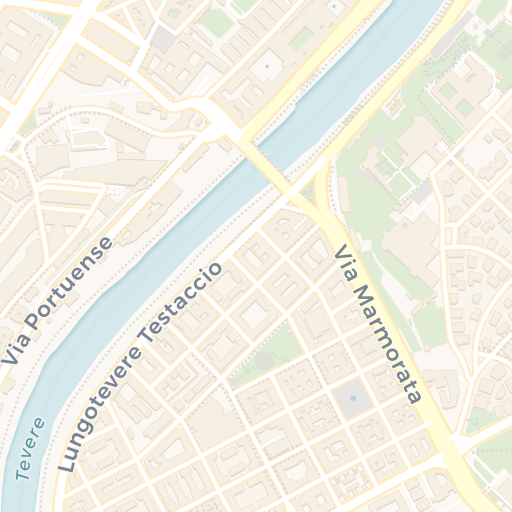
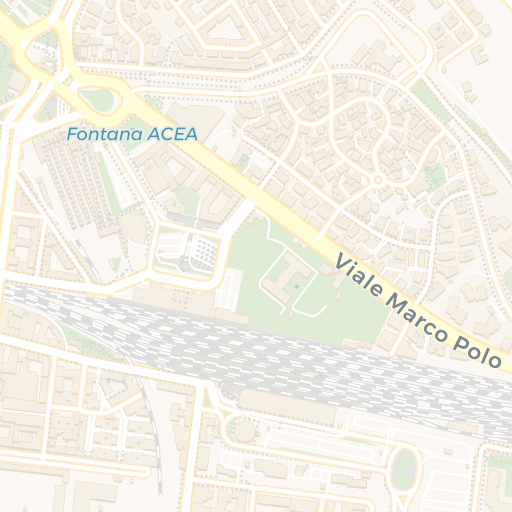
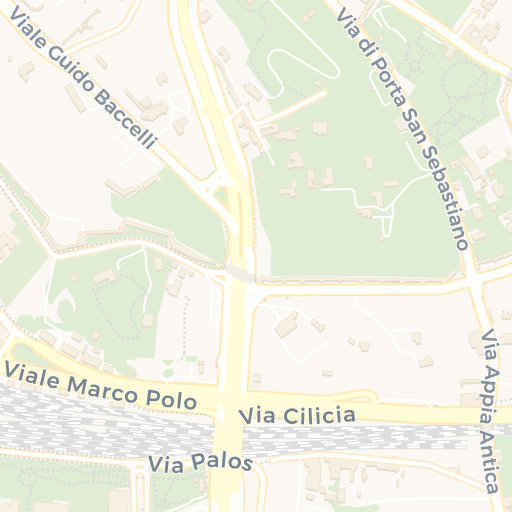
Get directions Open in Apple Maps
© OpenStreetMap contributors · © CARTO · 41.8768, 12.4809
Plan your visit
The outside is free; the inside is not ordinarily open
Turismo Roma publishes one sentence of visiting information for the Piramide Cestia: the site is visitable only with extraordinary openings and on the occasion of events. There are no opening hours and no price, because there is no ordinary opening.
The exterior needs nothing. The pyramid stands at Via Raffaele Persichetti, in the open, built into the Aurelian Walls beside Porta San Paolo — free, permanent, and visible from the street at any hour.
If you want the chamber
The managing body is the Soprintendenza Speciale di Roma, whose page — soprintendenzaspecialeroma.it/luoghi/piramide-di-caio-cestio/ — is where extraordinary openings and events appear. Nothing else is published.
What has recently changed
A restoration financed with PNRR funds made the access staircase safe, carried out a botanical reordering of the garden through a survey of the existing plant species and the monitoring of their condition, created a renewed lighting system and set up explanatory and welcome panels aimed at improving accessibility.
Ticket & Pass Decision Matrix
| Option | Cost | What it gets you | Booking | Verdict |
|---|---|---|---|---|
| Seeing it from outside | Free | The marble pyramid, the Aurelian Walls running into it, Porta San Paolo | None | The visit almost everyone makes, and it is the one that shows why the monument survived. |
| An extraordinary opening | Not published | The barrel-vaulted chamber, painted white with nymphs and winged Victories | Watch the Soprintendenza page | The only way in. Rare, and not something to build a trip around. |
| An event | Not published | The same, on the occasion of a specific event | Per event | Equally the only alternative; equally unpredictable. |
| Turning up and hoping | — | Nothing. There is no ordinary opening. | — | Check before you count on the interior. |
Verified against Turismo Roma, October 2026.
When to visit
Any day, for the outside. The exterior is free and permanent; there is nothing to open and nothing to book.
Whenever an extraordinary opening is announced, for the inside. That is the only access the city publishes, and the Soprintendenza Speciale di Roma page is where it appears.
Low sun suits the marble. The Luna marble facing is pale and flat at midday; early or late light picks out the courses and the joints and separates the white stone from the red-brown brick of the Aurelian Walls beside it.
Evening shows what the restoration added. The PNRR works included a renewed lighting system, so the pyramid reads very differently after dark.
Spring and autumn for the garden. The same works carried out a botanical reordering of the garden, which is at its best outside high summer.