

Basilica of San Lorenzo fuori le Mura
Last updated on October 5, 2026Why visit Basilica of San Lorenzo fuori le Mura
The draw
You can see the join. This is two churches fused into one, and the interior shows from the first glance the non-homogeneous aspect of the church, with the two basilicas adjacent but not perfectly in axis. Honorius III took Pelagius II's sixth-century basilica, reversed its orientation and made it his presbytery. Almost no other church in Rome wears its own construction history this openly.
The ciborium is the first signed work of its kind. At the centre of the cosmatesque pavement stands the ciborium of 1148 — the oldest work signed by Roman marble-workers — four porphyry shafts supporting a pyramidal covering on small trabeated columns.
And the apse mosaic holds the church itself. The celebrated mosaic of the end of the 6th century shows Christ among Saints Paul, Stephen, Hippolytus, Peter, Lawrence and Pope Pelagius, the last portrayed in the act of offering Christ the model of the basilica minor.
It is one of the five patriarchal basilicas, and it holds the relics of Saint Stephen the protomartyr.
The friction
- No opening hours are published. Turismo Roma gives mass times only, and says they may vary.
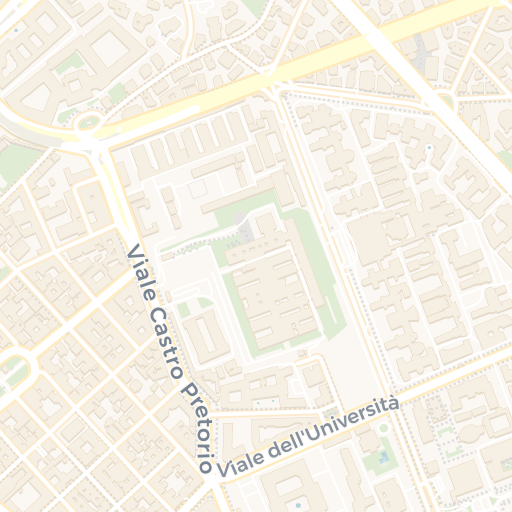
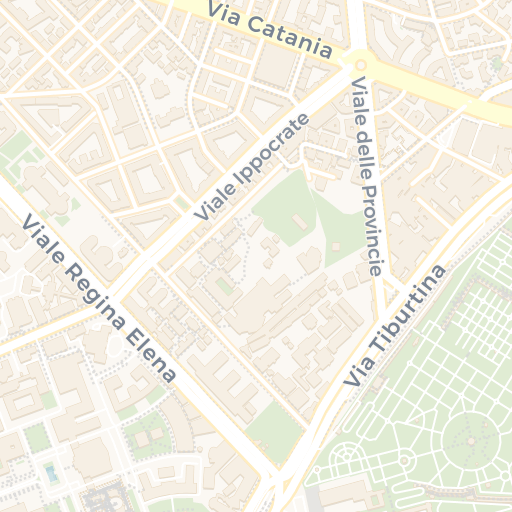
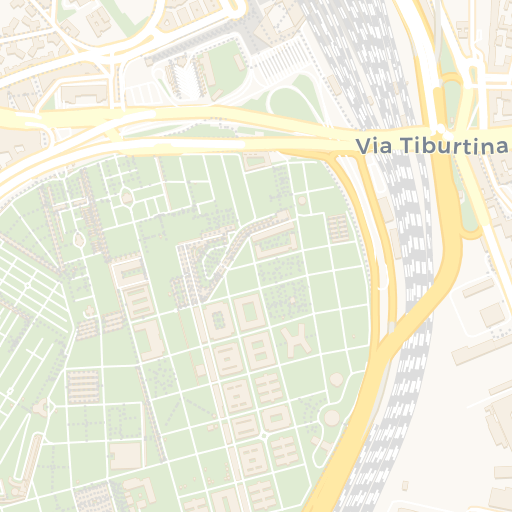
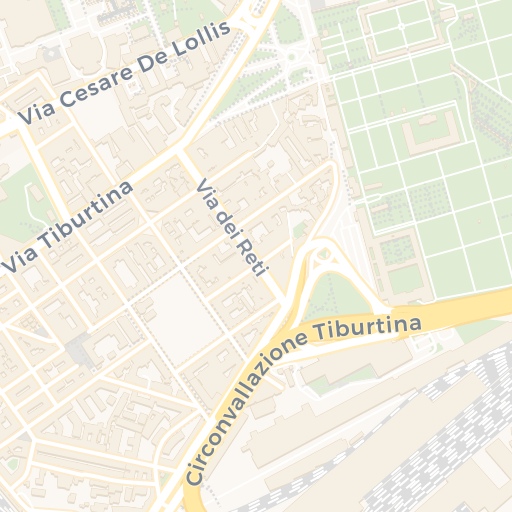
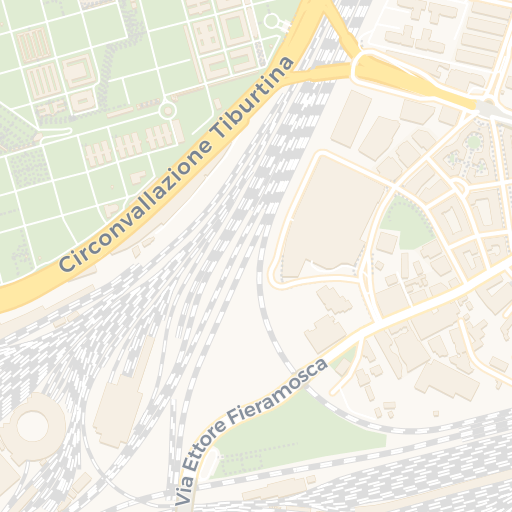
- It is a long way out. Piazzale del Verano, on the Via Tiburtina, well east of the centre and beside the city's largest cemetery.
- Much of what you see is post-war. The facade was completely rebuilt after the bombings of 1943.
- Two staircases to the presbytery. Innocent IV had the presbytery raised, and it is reached by small stairs.
The tactic
Stand in the nave and look for the kink. The twenty-two columns dividing the naves are different in size and marble and perhaps come from the basilica maior; the two churches run adjacent but not perfectly in axis. Finding that line is the whole visit.
Go up to the presbytery. That is where the confessio of the tomb of Saint Lawrence sits between four black and white columns, under a 4th-century entablature with trophies of arms and vegetal motifs supporting the matroneum.
Read the portico before you go in. Attributed to the Vassalletto marble-workers around 1220, on six columns of spoil, with frescoes of the end of the thirteenth century showing the Stories of Saints Lawrence and Stephen and of Count Henry.
Do not miss the Serodine. The nineteenth-century chapel of San Tarcisio holds a Beheading of the Baptist by the Caravaggesque Giovanni Serodine (1619), and a chapel of Santa Ciriaca has funerary monuments designed by Pietro da Cortona.
Phone ahead if the timing matters. The city itself says the church should always be contacted because the published times may change.
Skip it if you:
- Are short on time in the centre. This is a deliberate trip out along the Tiburtina.
- Need a fixed opening hour. None is published.
- Want untouched medieval fabric. The facade and much else were rebuilt after 1943.
Quick facts
- Type: Church, Sacred Place, Historic Place
- Local name: Basilica di San Lorenzo fuori le Mura (vedi la pagina italiana)
- Built: Two churches fused: one of the <span class="timeline-date">late 6th century</span>, one of the <span class="timeline-date">early 13th</span>
- Built by: Pelagius II, then Honorius III Savelli; portico by the Vassalletto marble-workers
- Built for: The tomb of Lawrence, deacon, martyred under Valerian
- Architectural style: Romanesque, with a cosmatesque presbytery and a 6th-century apse mosaic
- Two churches, not quite in line: Honorius III incorporated Pelagius II's basilica as his presbytery after reversing its orientation — the two are adjacent but not perfectly in axis.
- The oldest signed work by Roman marble-workers: The ciborium over the confessio is dated 1148 and is the earliest work Rome's marble-workers put their names to.
Visit responsibly
It is a working parish church and a patriarchal basilica. Mass is said twice a day; the only times the city publishes are liturgical ones, so a visitor arriving at a published hour is arriving at a service.
It stands at the gate of a cemetery. The basilica is at Piazzale del Verano, beside Rome's largest burial ground, and grew up around the tomb of Lawrence in the cemetery of Ciriaca. People come here to bury and to mourn, not only to look.
The floor is thirteenth-century inlay. The cosmatesque pavement, ambones and paschal candelabrum are walked on continuously; treading lightly over the inlaid work is the least that is owed.
Much of the fabric is war repair. The facade was completely rebuilt after the bombing of 1943, and the reconstructions deliberately removed Vespignani's nineteenth-century restoration to recover the medieval church. What survives of the original is therefore precious and uneven.
The ciborium is a first. Dated 1148 and the oldest work signed by Roman marble-workers, it is a document in the history of authorship as much as an object.
Where it is
Get directions Open in Apple Maps
© OpenStreetMap contributors · © CARTO · 41.9023, 12.5199
Plan your visit
Free, and no opening hours are published
San Lorenzo fuori le Mura is a working parish church and one of the five patriarchal basilicas. There is no ticket, and Turismo Roma publishes no opening hours at all — only mass times, with the explicit warning that the times may be subject to variation and that the church should always be contacted.
Mass times
Monday to Saturday: 08.00 and 18.30.
Sundays and feast days: 09.30, 11.00 and 18.30.
What to look for
- The two basilicas adjacent but not perfectly in axis — visible from the first glance.
- The ciborium of 1148, the oldest work signed by Roman marble-workers.
- The 6th-century apse mosaic with Pelagius offering Christ the model of his own church.
- The Serodine in the chapel of San Tarcisio and the Pietro da Cortona monuments in the chapel of Santa Ciriaca.
- The confessio of the tomb of Saint Lawrence, between four black and white columns in the raised presbytery.
Where it is
Piazzale del Verano 3, on the Via Tiburtina beside the Verano cemetery — a deliberate trip out, and part of the Jubilee circuit of the Seven Churches.
Ticket & Pass Decision Matrix
| Option | Cost | What it gets you | Booking | Verdict |
|---|---|---|---|---|
| Walking in | Free | The portico, the nave, the cosmatesque floor, the ciborium, the apse mosaic | None | The whole visit. The only uncertainty is whether the door is open. |
| Arriving for a mass | Free | The church certainly in use, at a published time | None | The most reliable moment, given that no opening hours exist. |
| Phoning first | Free | Confirmation that the published times still hold | — | The city's own advice, and worth following for a church this far out. |
| As part of the Seven Churches | Free | This basilica in its pilgrimage context | None | The way the building was meant to be reached. |
Verified against Turismo Roma, October 2026.
When to visit
Around a published mass, because nothing else is published. With no opening hours given, the mass times — 08.00 and 18.30 Monday to Saturday, 09.30, 11.00 and 18.30 on Sundays and feast days — are the only moments the church is certainly in use.
Phone first. Turismo Roma states that the times may be subject to variation and asks visitors always to contact the church. For a basilica well outside the centre, that call is worth making.
Daylight, for the mosaic and the floor. The gold-ground apse mosaic on the triumphal arch and the cosmatesque pavement both need natural light; the nave windows are the main source.
Any season — it is indoors and uncrowded. This is one of the five patriarchal basilicas and one of the least visited; there is no high season to avoid.
Allow three quarters of an hour. The portico frescoes, the misaligned naves, the raised presbytery and the two chapels take longer than the building's plain exterior suggests.