

Basilica of Santa Croce in Gerusalemme
Last updated on October 5, 2026Why visit Basilica of Santa Croce in Gerusalemme
The draw
A woman turned her own palace atrium into a chapel, and a basilica grew around it. The Sessorium was an imperial residential complex begun in the first half of the 3rd century; at the start of the 4th, Helena, mother of the Emperor Constantine, chose it as her dwelling and transformed the great atrium into a chapel to keep the relics of the Cross she had brought to Rome. Hence "Eleniana", hence "Sessoriana".
The facade is one of the best things of its decade in Rome. Commissioned by Benedict XIV from Pietro Passalacqua and Domenico Gregorini, it is one of the masterpieces of Roman barocchetto, with evident Borrominian derivations — and behind it still stands the fine brick campanile erected by Lucius II in 1144.
And the relics are still kept and still shown. The Chapel of the Relics is open every day during basilica hours, with a full-size copy of the Shroud given by the Diocesan Shroud Commission of Turin in 2003 and the shroud Crucifix of monsignor Giulio Ricci in an adjoining space.
The friction
- The relic chapel closes 15 minutes before Mass at the High Altar, and during weddings and funerals. The quarter-hour matters.
- No opening hours for the basilica itself are published — only mass times, a welcome-service window and the museum's hours.
- The times may vary, and the city says to contact the Basilica.
- It is on the eastern edge of the centre, by the Aurelian Walls — a deliberate trip, like the other Seven Churches.
The tactic
Come inside the welcome window. The welcome service in the basilica runs every day 10.00-12.00 and in the afternoon 16.30-18.30 — the same hours as the reopened Museum of the Basilica, reached from the Sacristy. Those four hours are the most reliably staffed part of the day.
Do not arrive at ten to the hour. With the relic chapel shutting 15 minutes before Mass at the High Altar, the quarter-hour before 08.00, 18.30 or a Sunday 10.00, 11.30 or 19.00 is exactly when you cannot see the relics.
Look at the altar statue twice. The statue of Saint Helena is a Roman original found at Ostia, transformed by the addition of the cross and the substitution of the head. Once you know, you cannot unsee the join.
Find Nennolina. Since 1999 the remains of the Servant of God Antonietta Meo (1930-1937) — a child who lived a few hundred metres from the Basilica and died at six and a half of osteosarcoma — rest at the foot of the Chapel.
Go out into the amphitheatre. The monastery kitchen-garden was recreated in 2004 in the Amphitheatrum Castrense, behind a gate by Jannis Kounellis.
Skip it if you:
- Need fixed opening hours. The basilica publishes none.
- Came only for the relics and cannot time your arrival. The chapel closes around services.
- Are staying strictly in the historic centre. This is out by the walls.
Quick facts
- Type: Church, Sacred Place, Historic Place
- Local name: Basilica di Santa Croce in Gerusalemme (vedi la pagina italiana)
- Built: Built in the <span class="timeline-date">4th century</span> around Helena's chapel; facade <span class="timeline-date">18th century</span>
- Built by: Helena; restructured by Lucius II in 1144; facade by Pietro Passalacqua and Domenico Gregorini
- Built for: A basilica around the chapel holding the relics of the Cross
- Architectural style: Roman barocchetto facade with Borrominian derivations, over an imperial residence
- A palace atrium became the chapel: Helena made her home in the imperial Sessorium and turned its great atrium into a chapel for the relics of the Cross — the basilica was built around it.
- The relics close a quarter-hour before mass: The Chapel of the Relics shuts 15 minutes before any Mass celebrated at the High Altar, and during weddings and funerals.
Visit responsibly
The relics are the point of the building and they are still venerated. The Chapel of the Relics closes 15 minutes before Mass at the High Altar and during weddings and funerals — rules that exist because people come here to pray, not to queue.
A child is buried here. Since 1999 the remains of Antonietta Meo, "Nennolina" (1930-1937) — who lived a few hundred metres from the Basilica and died at six and a half of osteosarcoma — rest at the foot of the Chapel. People visit her specifically.
The building stands on an imperial house. The basilica rises on the remains of the Sessorium, and the Amphitheatrum Castrense is still physically part of the complex, for centuries an appurtenance of the basilica and its convent.
The columns are ancient and already partly lost. Of the twelve colossal ancient granite columns, four were incorporated into pillars in the eighteenth century — what remains visible is what remains.
The garden is a working monastery garden. Recreated in 2004 behind a gate by Jannis Kounellis, it belongs to the Cistercian community, not to the visitor route.
Where it is
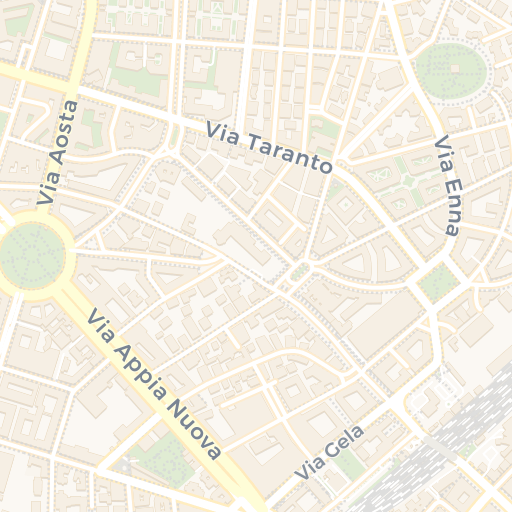
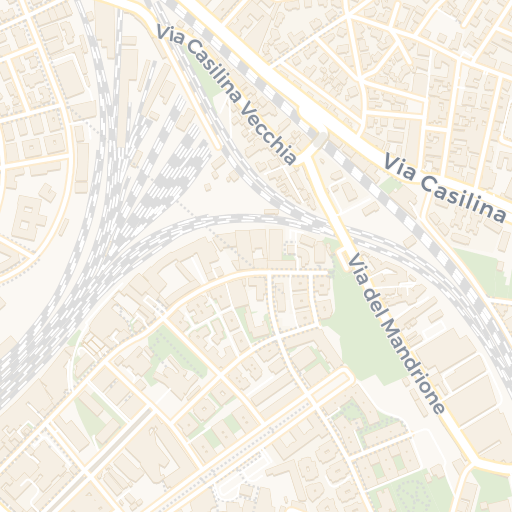
Get directions Open in Apple Maps
© OpenStreetMap contributors · © CARTO · 41.8883, 12.5158
Plan your visit
Free — and the relic chapel has its own closing rule
There is no admission price. The important rule is this: the Chapel of the Relics is open every day during the opening hours of the Basilica, but is closed 15 minutes before weekday, eve-of-feast and feast-day Masses when these are celebrated at the High Altar, and during the celebration of weddings or funerals.
Mass times
Monday to Friday: 08.00 and 18.30.
Saturdays and eves of feasts: 18.30.
Sundays and feast days: 8.00, 10.00, 11.30 and 19.00.
The welcome service and the museum
A welcome service runs in the basilica every day from 10.00 to 12.00 and in the afternoon from 16.30 to 18.30. The Museum of the Basilica has been reopened and can be visited, with access from the Sacristy, every day 10.00-12.00 and 16.30-18.30. The city adds that times may be subject to variation and that the Basilica should always be contacted.
What is here
- The chapel of Saint Helena, said to hold the earth of Calvary under its pavement.
- The Chapel of the Relics.
- A full-size copy of the Shroud (2003) and the shroud Crucifix of monsignor Giulio Ricci.
- The Quiñones tomb by Sansovino and apse paintings attributed to Antoniazzo Romano.
- The monastery kitchen-garden in the Amphitheatrum Castrense, with a gate by Jannis Kounellis.
Where it is
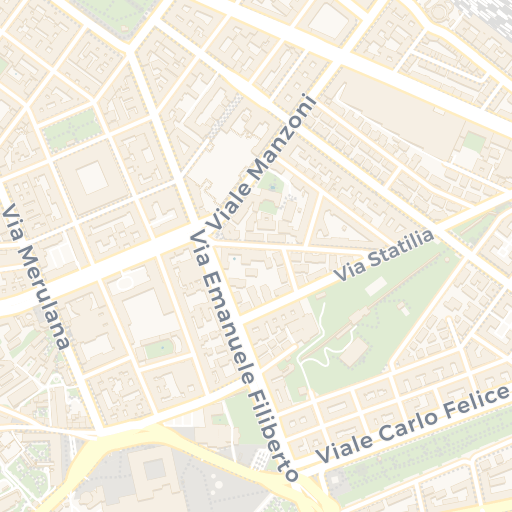
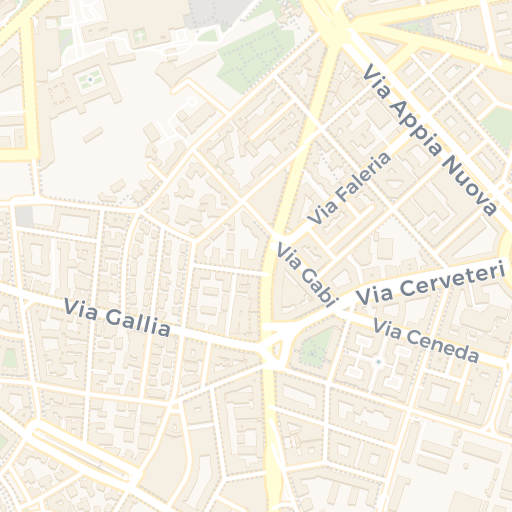
Piazza di Santa Croce in Gerusalemme 12, by the Aurelian Walls — on the Jubilee circuit of the Seven Churches.
Ticket & Pass Decision Matrix
| Option | Cost | What it gets you | Booking | Verdict |
|---|---|---|---|---|
| Walking in | Free | The nave, the twelve columns, the apse, the Sansovino tomb | None | The basic visit, available whenever the church is open. |
| Arriving 10.00-12.00 or 16.30-18.30 | Free | The same, plus the welcome service and the reopened Museum from the Sacristy | None | The right window. These are the hours the city actually publishes. |
| The Chapel of the Relics | Free | The relics brought by Helena, the Shroud copy, the shroud Crucifix | None | Open daily — but not in the 15 minutes before a High Altar Mass, nor during weddings and funerals. |
| Arriving just before a mass | Free | The basilica, but not the relic chapel | — | The trap. Check the mass times before you set out. |
| As part of the Seven Churches | Free | This basilica in its pilgrimage context | None | The way it was meant to be reached. |
Verified against Turismo Roma, October 2026.
When to visit
Between 10.00 and 12.00, or 16.30 and 18.30. Those are the published windows for both the welcome service in the basilica and the reopened Museum of the Basilica, reached from the Sacristy — the only hours the city gives for anything other than mass.
Not in the quarter-hour before a mass. The Chapel of the Relics closes 15 minutes before Masses celebrated at the High Altar, so arriving at 07.45, 18.15, or before a Sunday 10.00, 11.30 or 19.00 means missing the relics.
Not during a wedding or a funeral. The chapel closes for those too, and the city says so explicitly.
Phone first if the trip is deliberate. Turismo Roma states the times may be subject to variation and advises always contacting the Basilica.
Spring or autumn for the garden. The monastery kitchen-garden recreated in 2004 inside the Amphitheatrum Castrense is an outdoor space, and the best of it is not in high summer.