

Basilica of Santa Sabina
Last updated on October 4, 2026Why visit Basilica of Santa Sabina
The draw
The oldest image of the crucifixion that anybody put where the public could see it is carved on the door you walk through, and nothing marks it. Santa Sabina's cypress doors are generally agreed to be the original leaves of about 430-432, with eighteen surviving panels of scenes from both testaments — and one of them is the first known publicly displayed image of the crucifixion of Christ. Inside, the basilica is the best-preserved fifth-century church interior in Rome: twenty-four Corinthian columns reused from the Temple of Juno, a dedication inscription in gold letters on blue above the door, and clerestory windows of selenite instead of glass.
The friction
Nobody publishes when it is open. Turismo Roma gives hours only for holy days of obligation — 12.00 to 19.00 — and Sunday Mass times, and no ordinary weekday timetable at all. It is a working Dominican basilica, so the doors follow the community rather than a visitor schedule.
The tactic
Come in the morning, and look at the doors before you go in. The doors are in the porch, so they are reachable whenever the outer gate is open even if the church is shut — which makes an unlucky arrival much less of a loss. Then the interior for the columns and the light, the orange garden a hundred metres away for the view, and the Knights of Malta keyhole at the end of the same street.
Skip it if you:
- Need a guaranteed opening time. There is no published weekday timetable. If your day cannot absorb a closed door, put this somewhere flexible.
- Want colour and decoration. This is a fifth-century interior: white walls, columns, stone light. The Baroque is elsewhere.
- Are not going to look at the doors. They are the single most important object here and they take ten minutes of actual attention.
- Are tight on time in the centre. The Aventine is a climb and a detour, deliberately apart from everything.
Quick facts
- Type: Church, Sacred Place, Historic Place
- Local name: Basilica di Santa Sabina (vedi la pagina italiana)
- Visitor access: Open to visitors
- Admission: Free
- Reservation: Not required — tickets on the door
- Typical visit: About 35 minutes
- Built: Built between <time datetime="0422">422</time> and <time datetime="0432">432</time>
- Built for: A titular basilica founded by Peter of Illyria, Dominican since the thirteenth century
- Architectural style: Fifth-century Christian basilica, three naves on twenty-four reused Corinthian columns
- The first crucifixion anyone put on public view: One panel of the cypress doors is the first known publicly displayed image of the crucifixion of Christ.
- The windows are stone, not glass: Selenite clerestory windows, which is why the light here looks like no other Roman church.
Visit responsibly
The doors are sixteen hundred years old and at hand height. They are carved cypress in an open porch, unglazed and unguarded. Do not touch the panels, and keep bags off them in the doorway.
It is a convent and a parish, not a monument with a timetable. The absence of published visiting hours is a consequence of that. If a service is in progress, the right thing is to wait outside or come back.
Nothing here is ticketed, which means the upkeep of a fifth-century building with an open porch rests on the community. An offering is the appropriate gesture where there is no admission.
Where it is
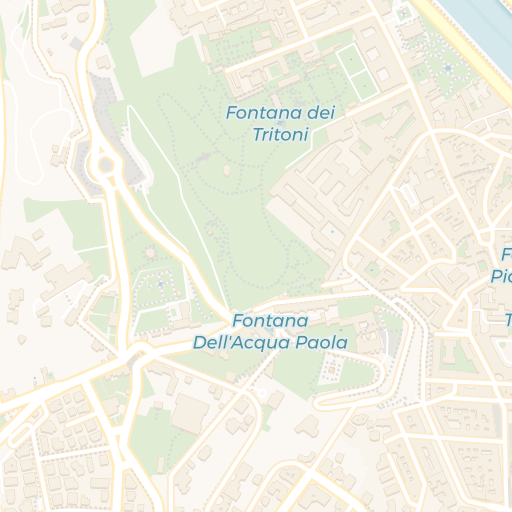
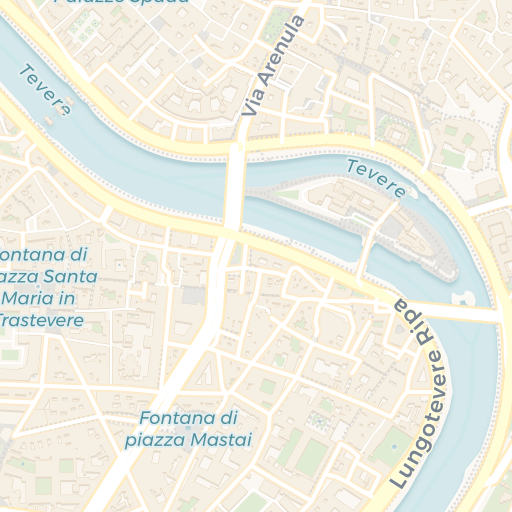
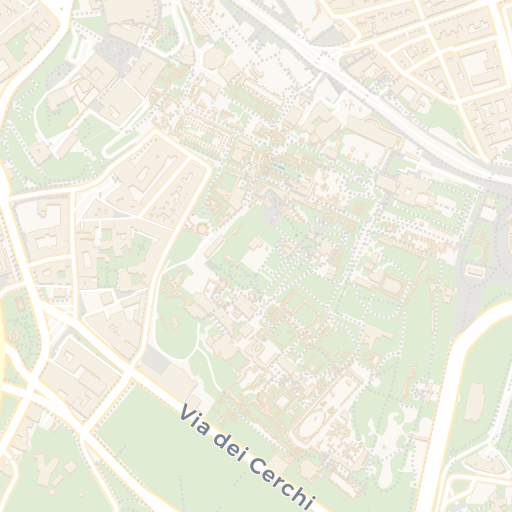
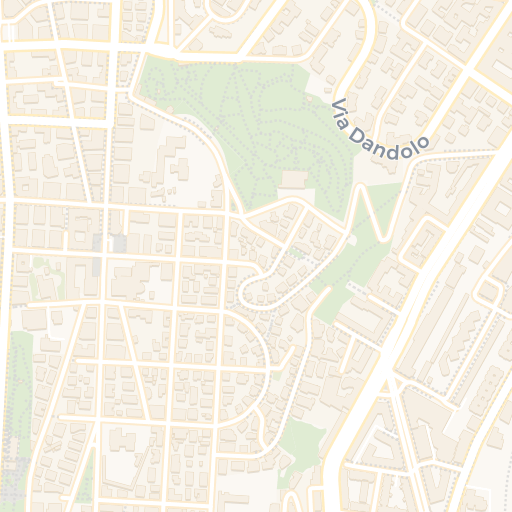
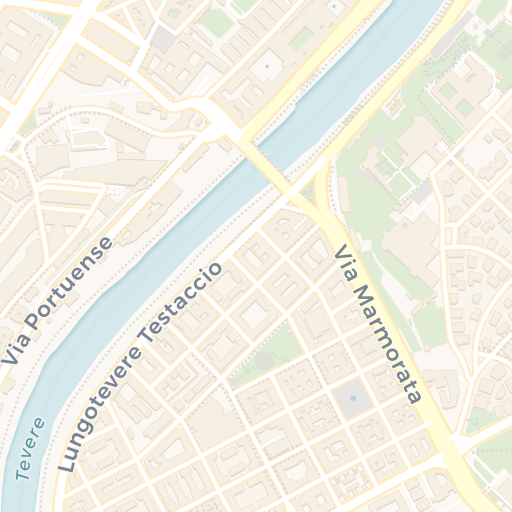
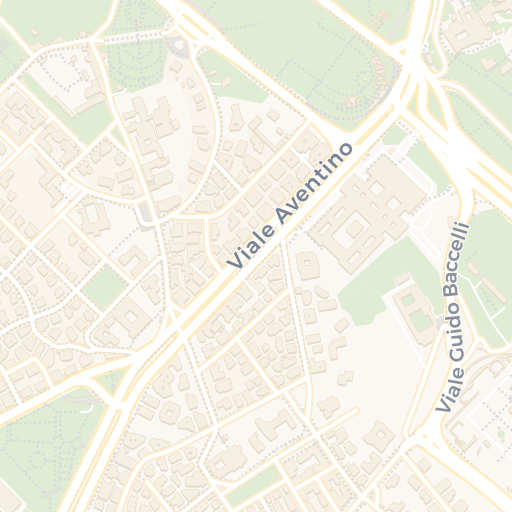
Get directions Open in Apple Maps
© OpenStreetMap contributors · © CARTO · 41.8844, 12.4797
Plan your visit
Admission: Free · NO ADMISSION PRICE IS PUBLISHED by Turismo Roma. This is a parish and conventual basilica rather than a ticketed monument, and nothing on the published page indicates a charge.
Prices verified October 2026
Best viewpoint: Standing back in the porch with your back to the courtyard, where the whole leaf of the door is legible at once — close up you see panels, from here you see that it is a single fifth-century object.
Opening hours are barely published, and that is the finding
Turismo Roma gives opening hours only for giorni di precetto — holy days of obligation — as 12.00 to 19.00, and lists Sunday Mass at 08.00 and 11.00. There is no published weekday timetable at all.
What that means in practice: this is a working Dominican and parish basilica, and the doors follow the community's day rather than a visitor schedule. Treat a morning arrival as the reliable one, expect the midday closure that nearly every Roman church keeps, and do not build a tight itinerary around it.
The doors are outside the church
This is the single most useful thing to know here. The cypress doors are in the porch, not inside the basilica, so they can be seen whenever the outer gate into the courtyard is open — even if the church itself is shut. An unlucky arrival still gets you the object the building is most famous for.
Admission
No price is published, and none is expected. This is a parish and conventual basilica rather than a ticketed monument.
What is free
All of it, as far as anything published says — the basilica, the doors and the porch. There is no ticket desk.
So is the rest of the Aventine, which is the real argument for coming up here: the Giardino degli Aranci a short walk along the same street looks out over the whole city, and the famous keyhole in the gate of the Knights of Malta is at the end of it. A closed church still leaves you a worthwhile hour on this hill.
How long
About 35 minutes: ten for the doors, properly, and the rest for the nave and the light.
Verified against Turismo Roma, October 2026.
When to visit
Morning, on any day you can be flexible about. With no published weekday timetable, the morning is the reliable half of the day at almost every Roman church, and Santa Sabina is quiet at that hour in a way it is not at Mass times.
On holy days of obligation the published hours are 12.00 to 19.00, which is the one window the tourist board states outright. On Sundays, Mass is at 08.00 and 11.00 — and a church in use is not a church to tour.
Late afternoon for the light. The selenite windows do something particular with low sun, and the orange garden next door is a sunset spot, so a late visit pairs the two if the doors happen to be open.