

Chioggia Cathedral
Last updated on September 8, 2026Overview
The cathedral of Santa Maria Assunta stands at the southern end of Corso del Popolo, and it is the work of Baldassare Longhena -- the architect of Santa Maria della Salute in Venice -- who rebuilt it after a fire destroyed the medieval church in 1623.
What survived the fire is the campanile, a detached brick bell tower of about 1350 that stands apart from the church and is considerably older than everything around it.
The interior is a wide, calm, single space in the manner Longhena used for a working parish rather than a monument: plain, well lit, and much less theatrical than his Venetian churches.
Quick facts
- Type: Church
- Local name: Duomo di Chioggia (vedi la pagina italiana)
- Built: Rebuilt from 1623; campanile c. 1350
- Designed by: Baldassare Longhena
- Architectural style: Baroque
- Denomination: Roman Catholic
- The tower that survived the fire: The detached campanile of about 1350 is all that remains of the medieval cathedral destroyed in 1623.
- Longhena before the Salute: The rebuilding was an early commission for the architect who would go on to design Santa Maria della Salute in Venice.
Visit responsibly
This is an active parish church in a town with a small resident population and a large summer visitor load. Visit quietly, stay out of services, and do not photograph people at prayer.
Chioggia's day-visitor traffic in July and August is concentrated in a few hours and a few streets; coming outside those weeks is easier on the town.
The church is maintained by the parish rather than by ticket income, and an offering in the box is the direct way to contribute.
Where it is

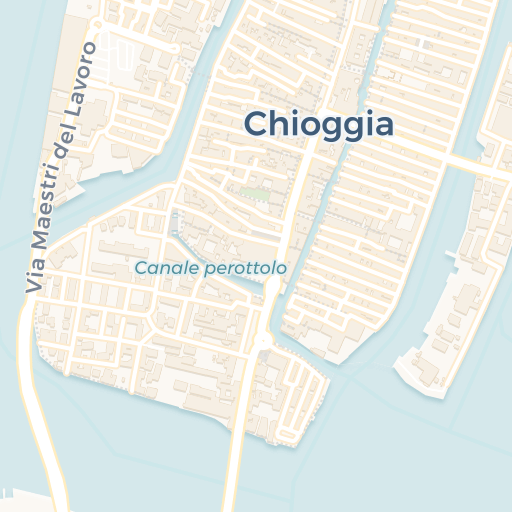
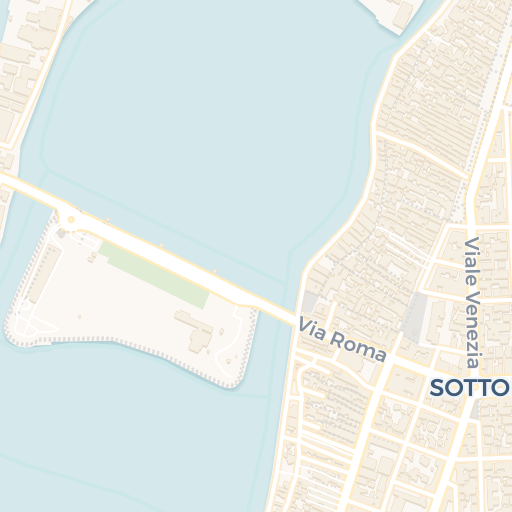
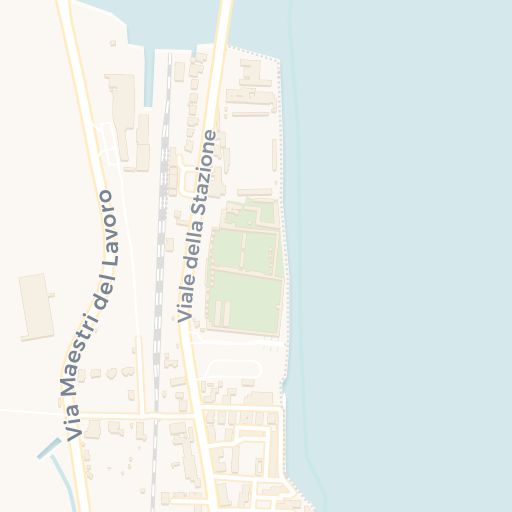
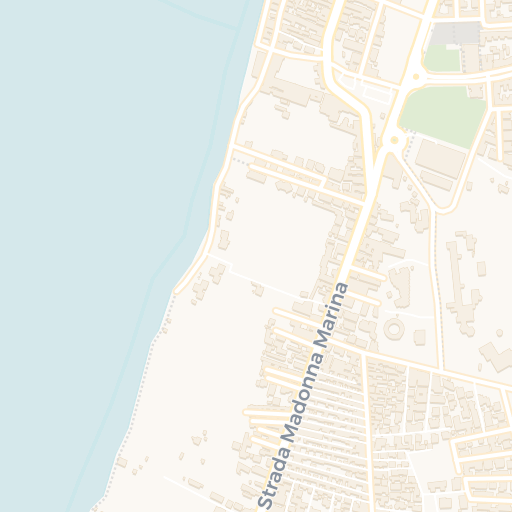
Get directions Open in Apple Maps
© OpenStreetMap contributors · © CARTO · 45.2156, 12.2789
Plan your visit
The cathedral is a working parish church and entry is free. It is generally open in the morning and again in the late afternoon, with a long midday closure -- the standard Italian pattern.
It stands at the southern end of Corso del Popolo, about ten minutes' walk from Ponte Vigo at the other end.
Allow twenty minutes to half an hour. The interior is a single space and takes in quickly.
The church is level and step-free at the main entrance and is one of the more accessible sights in the town. The campanile is not open to climb.
Dress appropriately -- shoulders and knees covered -- and avoid visiting during Mass.
When to visit
Morning is the reliable time to find it open, and the light through the nave windows is best then.
Spring and autumn are the pleasant seasons in Chioggia generally; the church itself is cool in summer, which has its own appeal.
The feast of the Assumption on 15 August is the cathedral's own day and the town marks it, though this is also the peak of the beach season.
Avoid Sunday morning unless you intend to attend Mass rather than look around.