

Padua Botanical Garden
Last updated on September 7, 2026Overview
Planted in 1545 to grow medicinal plants for the university's medical students, the Padua Botanical Garden is the oldest academic botanical garden in the world still standing on its original ground. It has never moved and never changed purpose, which is precisely why UNESCO listed it in 1997. It is also, on most days, close to empty -- a walled circular garden five minutes from the Basilica of Saint Anthony that almost no day-tripper reaches.
Quick facts
- Type: Garden
- Local name: Orto Botanico di Padova (vedi la pagina italiana)
- Built: 1545
- The oldest academic botanical garden: Founded in 1545 and still on its original site -- the reason UNESCO inscribed it in 1997.
- Goethe's palm: A palm planted in 1585 prompted Goethe's essay on the metamorphosis of plants; it is still growing under its own glasshouse.
- UNESCO World Heritage Site: Yes
Visit responsibly
This is a working university research and teaching garden, not a park. Beds are labelled and studied; staying on the paths and not handling the plants is the whole of the etiquette, and it matters more here than in an ornamental garden because specimens are under observation.
Some of the collection is genuinely poisonous and grown deliberately, which is another reason not to touch.
Ticket income supports a living scientific collection with a five-century record. It is one of the more clearly worthwhile admissions in the city.
The garden's quietness is its character and its fragility at once. It absorbs visitors easily at current numbers, and coming here rather than adding to the queue at a busier site is genuinely useful to Padua.
Where it is
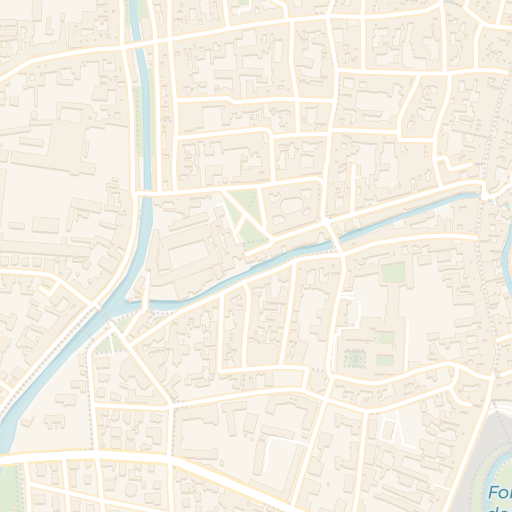

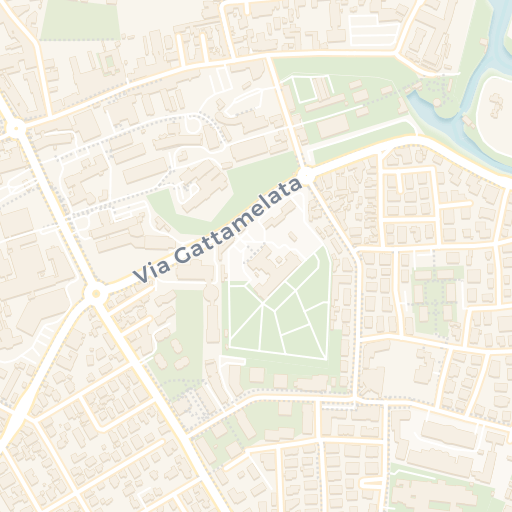
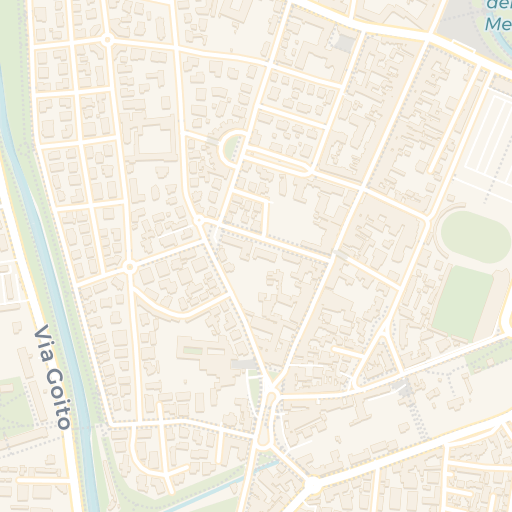
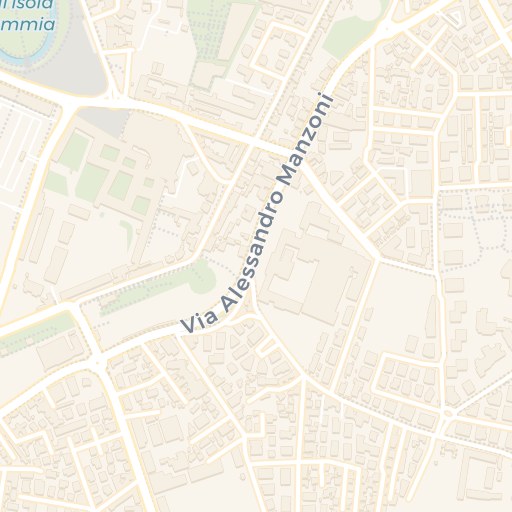
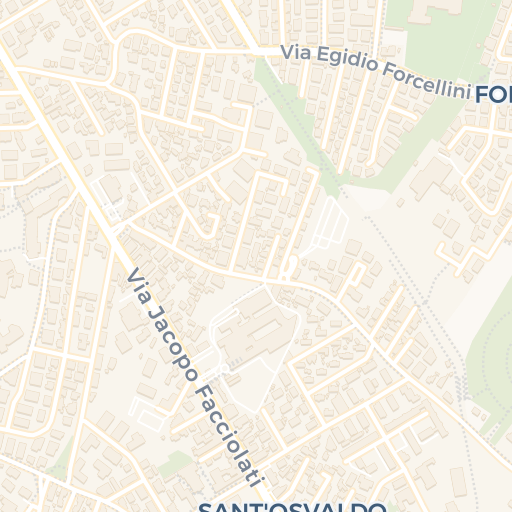
Get directions Open in Apple Maps
© OpenStreetMap contributors · © CARTO · 45.3995, 11.88
Plan your visit
The garden is ticketed, with a combined ticket covering both the historic circle and the Garden of Biodiversity. It keeps daytime hours that shorten considerably in winter, and is closed on some Mondays -- worth checking before making the walk. It is about twenty-five minutes on foot from the railway station, or a short walk from the Basilica.
Allow at least an hour. Most of the visit is outdoors, so the weather matters here more than at Padua's indoor sights.
When to visit
Spring (April-June) is the obvious season: the beds are at their fullest and the garden is doing what it was planted to do.
Autumn is quieter and still rewarding, with better light for the circle's geometry.
Winter reduces the outdoor garden to structure, but the Garden of Biodiversity's glasshouses are climate-controlled and make a cold day worth it in a way the open beds do not.
Summer afternoons are hot and largely unshaded -- an inland Po Valley garden in August is hard work. Morning is the answer.
At any season this is among the least crowded significant sights in Padua. It is common to have whole quadrants of the circle to yourself.