
Museo del Vetro
Last updated on November 10, 2026The Museo del Vetro holds one of the most complete glass collections anywhere, running from antiquity to the twentieth century on the island where Venetian glassmaking has been concentrated since the thirteenth century.
The early rooms cover glass from Syria, Palestine, the eastern Mediterranean, the Greek world and northern Italy. The Murano material follows: the invention of cristallo and the decorative techniques that came with it — filigrana, diamond-point engraving — and later the Venetian reworking of Bohemian methods that produced the chandeliers the island is known for.
The twentieth century is represented by work from Barovier & Toso and the glass textiles designed by Carlo Scarpa in the late 1930s.
Challenge to visitors
Most people come to Murano for a furnace and treat the museum as optional. It is the wrong way round: the demonstrations show you a technique, and this building is where you find out what the technique was for and how long it took to arrive at.
The island visit is usually rushed. Murano is sold as a stop on a three-island day with Burano and Torcello, which leaves about an hour ashore — enough for a shop, not for ninety minutes of glass.
And the objects are small. This is a collection of vessels, fragments and stems read at close range in low light; it rewards slow looking and gives almost nothing to a fast walk-through.
Visiting tips and strategy
When to go
Winter is the island's best season and nobody uses it. The museum is indoors and artificially lit, the vaporetti are not full, and Murano without the three-island crowds is a working place rather than a shopping street.
Early morning in summer, before the organised island tours land. They arrive in waves and the island's fondamente are narrow.
No weekly closing day is listed, which makes this a useful Monday or Tuesday option when half the city's museums are shut.
Getting the good version
Museum first, furnace second. An hour and a half here and the demonstration afterwards becomes legible — you will recognise filigrana being drawn and understand why the diamond point mattered. Done the other way round, the museum is just more glass.
Get off at the Museo stop. The vaporetto lands on the same fondamenta as the door, which is worth knowing because Murano's other stops add ten minutes of walking each.
Give the antiquities the first twenty minutes. The Syrian, eastern Mediterranean and Roman material at the start is what makes the Murano achievement measurable, and it is the part most visitors skip to reach the chandeliers.
Stay on the island afterwards rather than moving straight to Burano. The three-island itinerary is what reduces Murano to a shop, and the boats run often enough that you do not have to follow it.
What it costs
€15.00 full, €7.50 reduced.
Free for residents and those born in the Comune of Venice, children under six, a disabled visitor and their companion, ICOM members, licensed Italian guides accompanying visitors and up to two teachers per school group.
The MUVE pass at €50.00 / €25.00 covers this museum alongside the Doge's Palace, Museo Correr, Ca' Rezzonico and the rest — worth the arithmetic if you are combining Murano with the city museums rather than visiting only this one.
Verified against Fondazione Musei Civici di Venezia, November 2026.
Getting there and getting in
Admission: 15
Prices verified November 2026
Where it is
Fondamenta Giustinian 8, Murano. The Museo vaporetto stop is beside it, which makes this one of the easier museums in the lagoon to reach — the boat lands essentially at the door.
Hours
1 April – 31 October: 10:00–18:00, last entry 17:00.
1 November – 31 March: 10:00–17:00, last entry 16:00.
No weekly closing day is listed. Closing procedures begin twenty minutes before the stated time.
Tickets
€15.00 full, €7.50 reduced. Bookings through prenotazionivenezia@coopculture.it.
How long
About ninety minutes. Combining it with a furnace demonstration elsewhere on Murano makes a half day; the museum explains what the furnaces are doing, which is the better order of the two.
Verified against Fondazione Musei Civici di Venezia, November 2026.
Place accessibility
There is a lift, listed by the operator among the museum's public services along with a ticket desk, cloakroom, toilets, a baby pit-stop and the Museum Store. No note of architectural barriers is published for the building.
A disabled visitor and their companion are admitted free.
Arriving is unusually easy for the lagoon. The Museo vaporetto stop sits on the same fondamenta as the entrance, so there is no bridge between boat and door — rarer on Murano than the flat map suggests.
Not published, and not guessed: whether the entrance from the fondamenta has a step, and which floors the lift serves.
Quick facts
- Type: Museum, Palace, Historic Place
- Local name: Museo del Vetro (vedi la pagina italiana)
- Admission: 15
Where it is
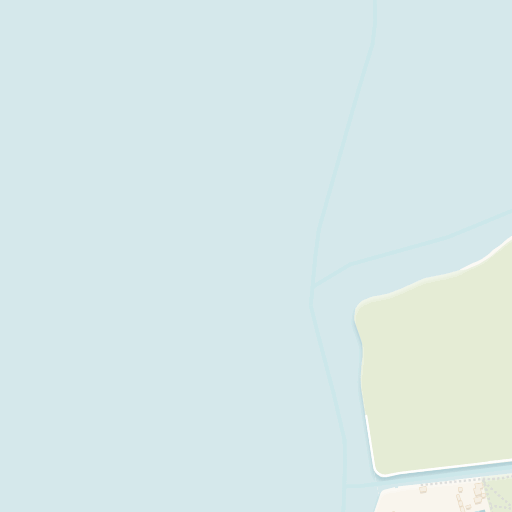
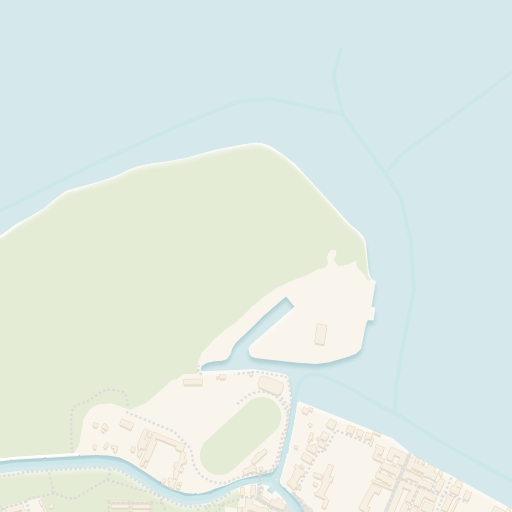

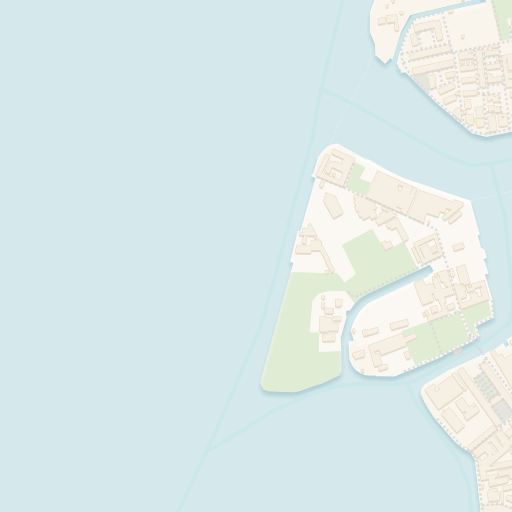
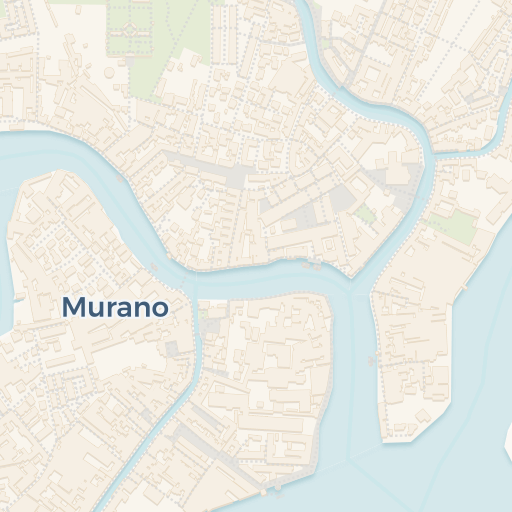
Get directions Open in Apple Maps
© OpenStreetMap contributors · © CARTO · 45.45639, 12.35667
Visit responsibly
Murano is a workplace before it is a destination. The furnaces on the island are operating businesses with heat, molten glass and people working to a rhythm; a demonstration is a workshop admitting visitors, not a show staged for them. Stand where you are put.
The vaporetti here are the island's bus service. Lines 4.1, 4.2 and 12 carry residents to work and children to school alongside visitors, and a group blocking the landing stage with luggage stops that rather than inconveniencing a queue.
Inside, the risk is proximity rather than malice. Thin blown glass sits in low-lit cases at elbow height through narrow rooms; backpacks worn on the back are the problem this museum has.
Photography without flash, for the same reason as everywhere. What is unusual here is reflection: a flash fired at a case of glass damages your own photograph before anything else.