
Museo Fortuny
Last updated on November 10, 2026The Museo Fortuny occupies the Gothic Palazzo Pesaro degli Orfei, built by the Pesaro family in the fifteenth century and taken over in 1902 by the Spanish-born designer Mariano Fortuny and his wife Henriette Negrin, who turned it into their home and atelier.
It is kept as the atelier rather than restored as a palace, which makes it unlike anything else in the civic museum network — a working interior of fabrics, lamps, photographs, paintings and stage designs, in the rooms where they were made.
The museum sits on the modern and contemporary combined ticket alongside Ca' Pesaro, and is a short walk from the Rialto–San Marco axis without being on it.
Challenge to visitors
It is dim, and that is permanent. The rooms are kept at low light because the textiles hanging in them cannot take any more. Visitors who arrive expecting gallery lighting spend the first ten minutes adjusting, and anyone hoping to photograph detail will be disappointed.
Closed Tuesdays, and it is tucked on Campo San Beneto rather than on any obvious route — a deliberate detour, not somewhere you pass.
And it does not explain itself quickly. This is an atelier left as an atelier: fabrics, lamps, paintings and stage material in the rooms where Fortuny made them, rather than a collection arranged to be read. Without knowing that in advance it can look like a cluttered house.
Visiting tips and strategy
When to go
Any season, and winter is quietly the best. The lighting is artificial and constant, so a grey February afternoon costs this museum nothing — unusual in a city where most interiors depend on the weather.
Avoid Tuesdays entirely; it is closed.
Late morning on a weekday is the quietest useful slot. The museum programmes temporary exhibitions regularly, and those are what draw queues when they draw any.
Getting the good version
Give your eyes a minute before you judge the first room. The light is low by necessity and the detail only appears once you have adjusted — walking straight through is the commonest way to get nothing from this place.
Look at the walls, not just the cases. The printed and painted textiles are the point, and they are hung as Fortuny hung them, as surfaces rather than exhibits.
Allow an hour, more when a temporary show occupies the upper floors — the museum uses them for exhibitions rather than keeping a fixed route.
Combine it with a walk rather than another museum. Campo San Beneto sits between Campo Sant'Angelo and the Rialto approaches, and the surrounding calli are among the quieter parts of San Marco.
What it costs
€15.00 full, €7.50 reduced.
€20.00 full, €10.00 reduced on the modern and contemporary ticket, which also covers Ca' Pesaro and MUVEC in Mestre, valid three months with one entry to each.
Free for residents and those born in the Comune of Venice, children under six, a disabled visitor and their companion, ICOM members, licensed Italian guides accompanying visitors and up to two teachers per school group.
The cumulative MUVE pass at €50.00 / €25.00 covers this museum with the rest of the civic network.
Verified against Fondazione Musei Civici di Venezia, November 2026.
Getting there and getting in
Admission: 15
Prices verified November 2026
Where it is
San Marco 3958, on Campo San Beneto — between Campo Sant'Angelo and the Rialto side of San Marco, a few minutes off the main walking route rather than on it.
Hours
1 April – 31 October: 10:00–18:00, last entry 17:00.
1 November – 31 March: 10:00–17:00, last entry 16:00.
Closed Tuesdays.
Tickets
€15.00 full, €7.50 reduced. Bookings through prenotazionivenezia@coopculture.it.
How long
About an hour, longer when a temporary exhibition is installed — the museum programmes these regularly and they occupy the upper floors.
Verified against Fondazione Musei Civici di Venezia, November 2026.
Place accessibility
There is a lift. The operator lists one among the museum's services, and publishes no note of architectural barriers for the building.
A disabled visitor and their companion are admitted free, set out in the civic museums' published free-admission list.
The lighting is the thing to expect. Textiles cannot take strong light, so the rooms are kept deliberately dim throughout — which matters more here than in most museums, because much of what is on show is detail in fabric.
Not published, and not guessed: whether the entrance from Campo San Beneto is step-free, and which floors the lift serves. The civic museums answer at prenotazionivenezia@coopculture.it.
Quick facts
- Type: Museum, Palace, Historic Place
- Local name: Museo Fortuny (vedi la pagina italiana)
- Admission: 15
Where it is
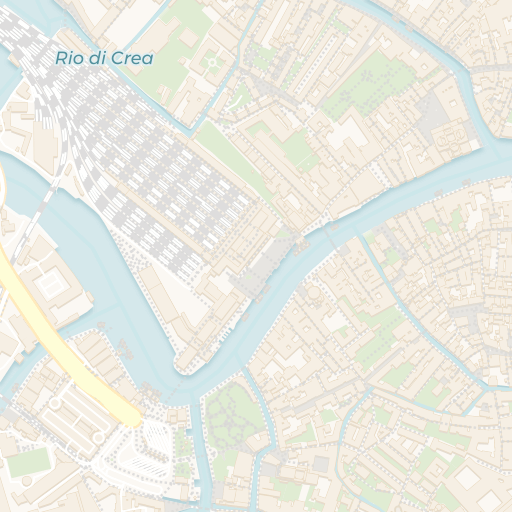
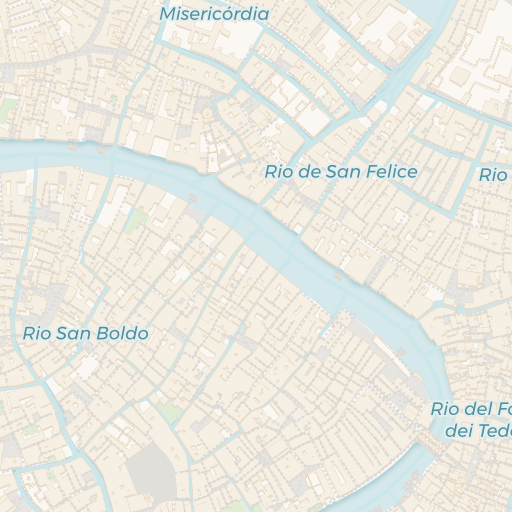
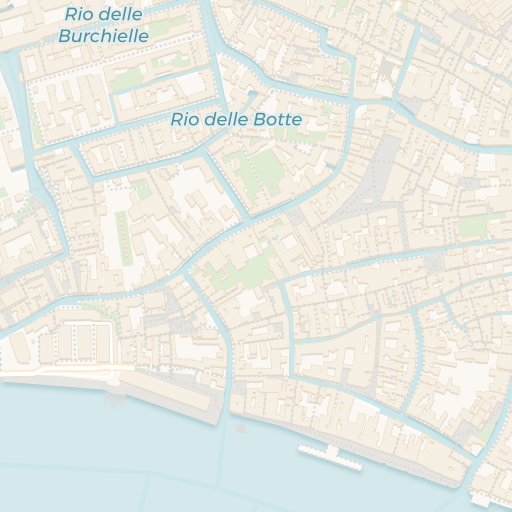
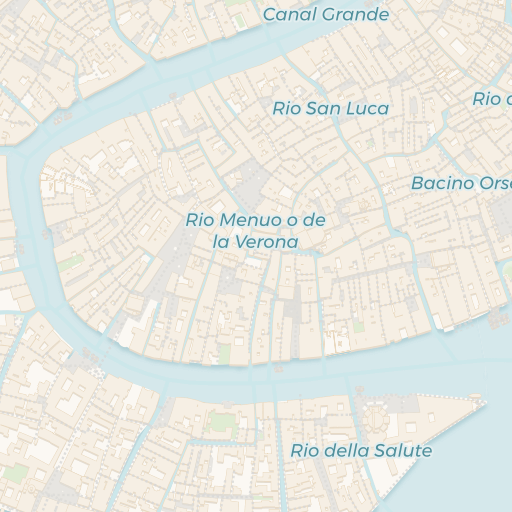
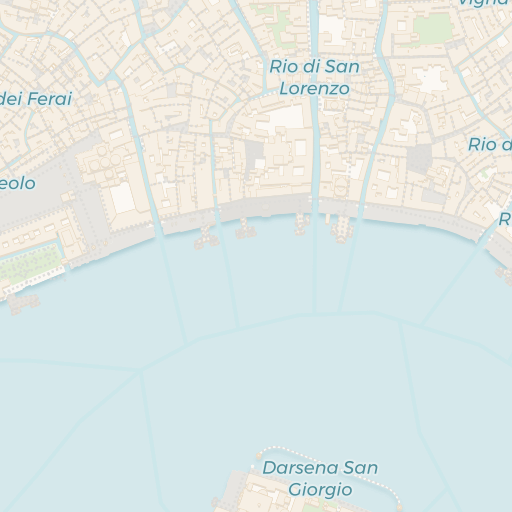
Get directions Open in Apple Maps
© OpenStreetMap contributors · © CARTO · 45.4354, 12.3322
Visit responsibly
No flash, and it is not a formality here. Light is the thing that destroys dyed silk, and Fortuny's fabrics are the collection rather than the decoration around it. The dim rooms are a conservation measure, not an atmosphere.
The textiles are within reach and mostly uncased. That is deliberate — it is how the atelier worked — and it puts the responsibility on visitors rather than on a vitrine. Keep bags on the front of your body in the narrow rooms.
This is a preserved interior, not a collection in a building. What the ticket supports is keeping a working studio intact in a city where such interiors are routinely stripped out for flats and hotels.