

Cerite National Museum
Last updated on October 9, 2026Why visit Cerite National Museum
Two pots justify the trip. The Euphronios krater and the Euphronios kylix are Attic red-figure vases of the 5th century B.C. and among the finest things Athenian potters ever made -- and they are here because they were stolen from here. Both were dug illegally out of the ground around Cerveteri and sold abroad; the krater hung in the Metropolitan Museum in New York and the kylix in the Getty at Malibu for years before Italy got them back. Since 2015 they have been in the town their looters took them from.
The building is the second reason. The museum occupies the castle of the Ruspoli, a 13th-century fortress of tufa, lava and brick with several towers and a rectangular block -- and with stretches of Etruscan wall from the 4th century B.C. built into it. The comune calls it a true fortified polygon. You are looking at Etruscan masonry holding up a medieval castle holding Etruscan pots.
The friction is scale and dispersal. The collection runs over two levels and is modest, and the best material from these same necropoleis is elsewhere -- at Villa Giulia in Rome and in the Louvre. Come for the Euphronios pieces, the Villanovan and Hellenistic grave groups, and the building, and treat the Banditaccia necropolis as the other half of the day.
Visit if you:
- are visiting the Banditaccia necropolis -- this is where its contents are explained
- want to see two of the most famous Greek vases in existence
- are interested in looted antiquities and what restitution actually looks like
- like small museums inside buildings that are themselves the exhibit
Skip it if you:
- expect a large collection; much of the best Caere material is in Rome and Paris
- cannot manage a medieval castle on two levels
- are relying on published hours this page could verify -- there are none
Quick facts
- Type: Museum, Palace, Historic Place
- Local name: Museo nazionale cerite (vedi la pagina italiana)
- Built: A 13th-century castle, with 4th-century B.C. Etruscan walls built into it
- Built by: The Ruspoli family castle; the museum is named for Princess Claudia Ruspoli
- Built for: A fortress; now the national archaeological museum of the Cerite territory
- Architectural style: Medieval fortress of tufa, lava and brick over reused Etruscan walling
- The Euphronios vases: Krater and kylix, looted and recovered, here since 2015
- Visitors: 19,015 in 2015
Visit responsibly
No museum in this group makes the argument for itself as directly as this one. Its two finest objects, the Euphronios krater and kylix, were taken out of the ground around Cerveteri in illegal excavations and sold abroad. They spent years on display in two of the richest museums in the world -- the Metropolitan in New York and the Getty at Malibu -- before being returned to the Italian State and finally assigned to the town they were stolen from. When you look at them here, you are looking at the end of a restitution, and at the reason export controls on antiquities exist.
That is not an isolated case. The contents of the Cerveteri tombs were excavated over centuries, often chaotically and illegally, and notable material from the same necropoleis is now in the Museo nazionale etrusco di Villa Giulia and in the Louvre. The gaps in this museum's cases are the record of that. Never buy antiquities, and never pick anything up on the ground at the Banditaccia.
Inside, the building itself is fragile in a way a purpose-built museum is not: it is a 13th-century fortress of tufa, lava and brick with 4th-century B.C. Etruscan walling built into it. Do not touch the masonry, and keep to the route across its two levels.
Finally, buy your ticket here rather than through an intermediary. The museum is part of the Parco archeologico di Cerveteri e Tarquinia, and with under twenty thousand visitors a year it needs the admission more than a large site would.
Where it is
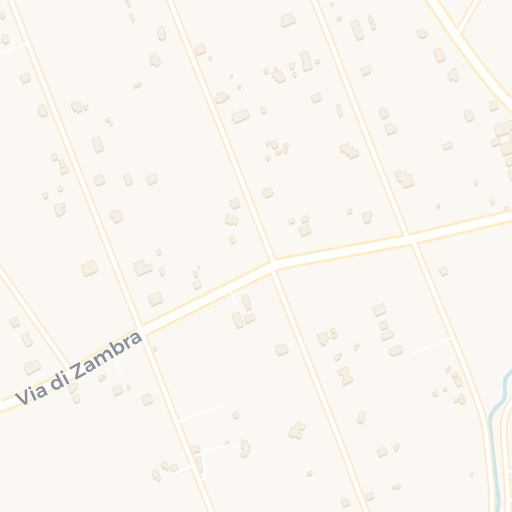
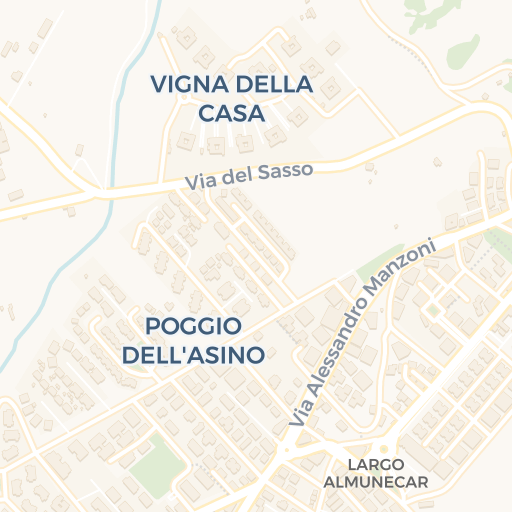
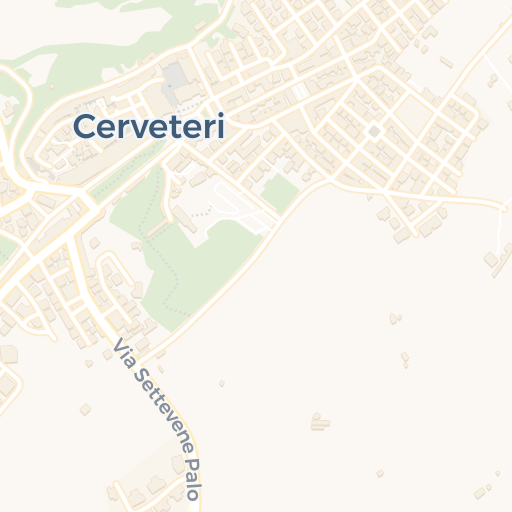
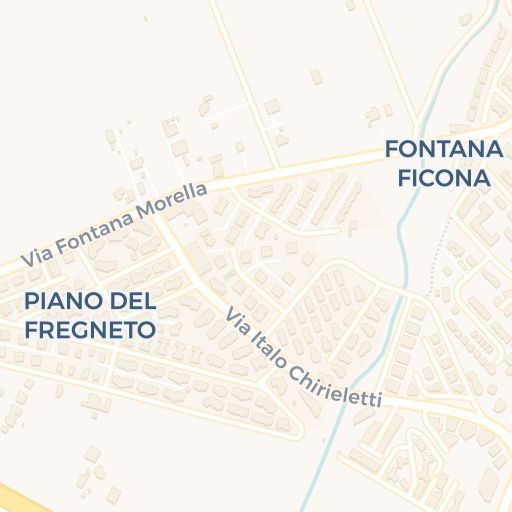
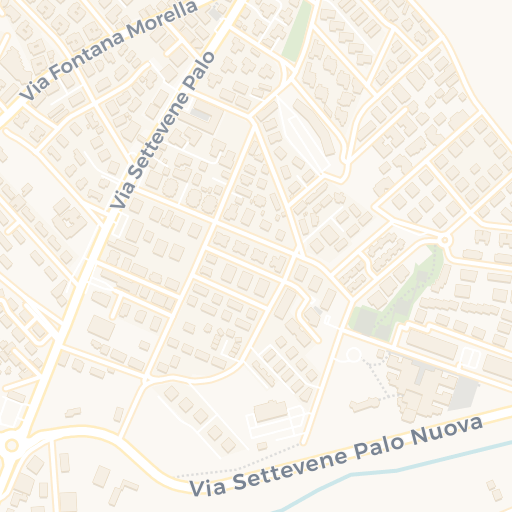
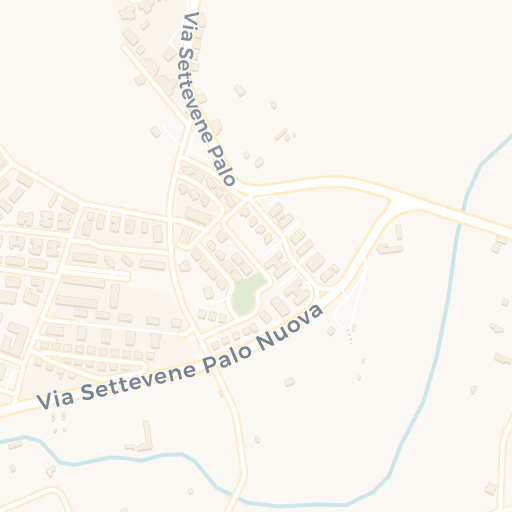
Get directions Open in Apple Maps
© OpenStreetMap contributors · © CARTO · 41.99583, 12.09389
Plan your visit
The Museo nazionale cerite is in the Ruspoli castle, in the historic centre of Cerveteri, facing piazza Santa Maria. The Comune di Cerveteri lists its telephone numbers as +39 06 30321659 and +39 353 4107535.
It is a state museum. The culture ministry ran it through the Polo museale del Lazio from December 2014, and in 2021 it became part of the Parco archeologico di Cerveteri e Tarquinia, which is the institution responsible for it today.
No opening hours and no admission price are quoted here. The comune's page for the museum has a public-hours heading with no values behind it, and the ministry's own page could not be reached when this was written. A commercial site publishes hours and prices covering Cerveteri and Tarquinia but gives no evidence of being the operating institution, so its figures are not repeated. Telephone one of the numbers above before travelling.
Plan it with the Banditaccia. The museum exists to explain the necropoleis of ancient Caere, and its cases are organised by them -- the Sepolcreto del Sorbo for the Villanovan phase, the Tomba dei Tasmie and the Tomba dei sarcofagi for the Hellenistic. Seeing the tombs and then the grave goods, or the reverse, is one visit split in two.
The collection is displayed over two levels inside a medieval castle, so expect stairs and no published step-free route. For scale: the museum recorded 19,015 visitors in 2015, which tells you it is never going to feel crowded.
Verified against Comune di Cerveteri, October 2026.
When to visit
This is a small indoor museum in a stone castle, which makes it the obvious companion to the Banditaccia necropolis rather than a destination with a season of its own. The necropolis is open ground on a volcanic plateau; the museum is the part of the day that works in rain or in August heat.
Order matters more than timing. The cases are organised by necropolis -- the Sepolcreto del Sorbo for the Villanovan material, the Tomba dei Tasmie and the Tomba dei sarcofagi for the Hellenistic -- so the collection reads far better once you have walked the tombs those groups came out of, or immediately before you do.
Crowding is not the constraint. The museum recorded 19,015 visitors across the whole of 2015, so at any ordinary moment you will have the Euphronios vases more or less to yourself.
The constraint is opening. Neither the comune nor the ministry publishes a calendar this page could verify, so confirm by telephone before you build a day around it -- particularly out of season, and particularly if you are coming from Rome for the two vases.