

Basilica of Santa Maria in Aracoeli
Last updated on October 5, 2026Why visit Basilica of Santa Maria in Aracoeli
The draw
A medieval basilica on the top of the Capitol that almost nobody climbs to. It stands on the highest summit of the Capitol, over the ruins of the Temple of Juno Moneta, a few steps from the Vittoriano and the Capitoline Museums — and it is consistently emptier than either.
The 124-step staircase is a monument in its own right. Built in 1348 as a vow for the end of the plague, from marble taken off the Temple of Serapis, inaugurated by Cola di Rienzo, and climbed on the knees by people asking for a husband, a child, milk — or a win at the Lotto.
And the painting inside is first rank. Pinturicchio in the Cappella Bufalini, a slab by Donatello in the floor, remains attributed to Pietro Cavallini, frescoes by Benozzo Gozzoli.
The friction
- No opening hours are published. Turismo Roma gives mass times only.
- The stairs are punishing. 124 steps, steep, with no real landings.
- The famous Santo Bambino is not there. It was stolen in 1994 and never recovered.
The tactic
Go up the Campidoglio ramp instead if the stairs are too much. The basilica can be reached from the Capitol side, which shares the gentler approach used for the Capitoline Museums — the 124 steps are a choice, not the only way in.
Come on a Sunday at noon if you want the basilica itself in use. From Monday to Saturday mass is in the Cappella della Madonna, not the church; on Sundays the 08.30 is in the chapel and the 12.00 is in the Basilica.
Pair it with the Capitoline Museums. They share the hill, and this is the quiet half of it.
Look at the columns before anything else. They are all reused and all different; that single observation explains more about early Roman church-building than any label in the nave.
Skip it if you:
- Cannot manage stairs and will not take the Capitol-side approach.
- Are working to a timetable. With no published hours, a closed door is always possible.
- Came for the Santo Bambino. It has been gone since 1994.
Quick facts
- Type: Church, Sacred Place, Historic Place
- Local name: Basilica di Santa Maria in Aracoeli (vedi la pagina italiana)
- Built: Erected in the <span class="timeline-date">6th century</span>; staircase <time datetime="1348">1348</time>
- Built by: Benedictines from around the year 1000, then the Friars Minor
- Built for: A church on the highest summit of the Capitol, over the Temple of Juno Moneta
- Architectural style: Romanesque-Gothic, given its present form by the Friars Minor
- Its most loved object was stolen in 1994: The Santo Bambino, credited with raising the dead and healing the gravely ill, was taken and has never been found.
- 124 steps, built against the plague: The 1348 staircase was a vow to the Virgin for the end of the epidemic, in marble taken from the Temple of Serapis.
Visit responsibly
It is a working church of the Friars Minor, not a museum. Mass is said daily, and from Monday to Saturday it is in the Cappella della Madonna — a small space where a visitor wandering in is immediately part of the congregation.
The floor is a cemetery. The cosmatesque pavement is rich in burials and funerary slabs, including Donatello's for Giovanni Crivelli. People walk across tombs here continuously; treading lightly over the inlaid slabs is the least that is owed.
The columns are spoil from older buildings. Every one is different from the others, reused, and irreplaceable.
Remember what was taken. The Santo Bambino was stolen in 1994 from this church and never recovered. The theft of devotional objects is not a historical curiosity here.
Treat the staircase as part of the church. It was built as a vow for the end of the plague and was climbed on the knees by people in real need; it is still a place where that happens.
Where it is
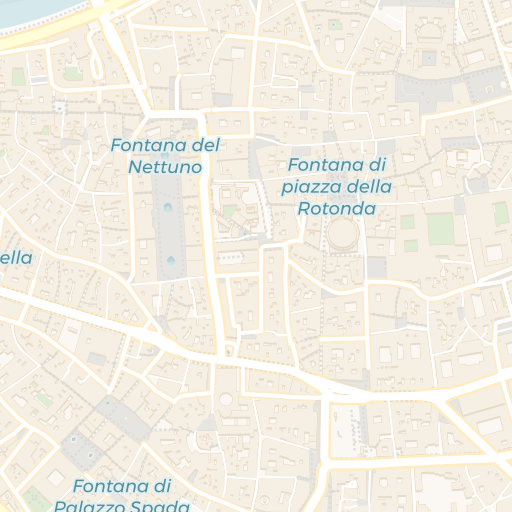
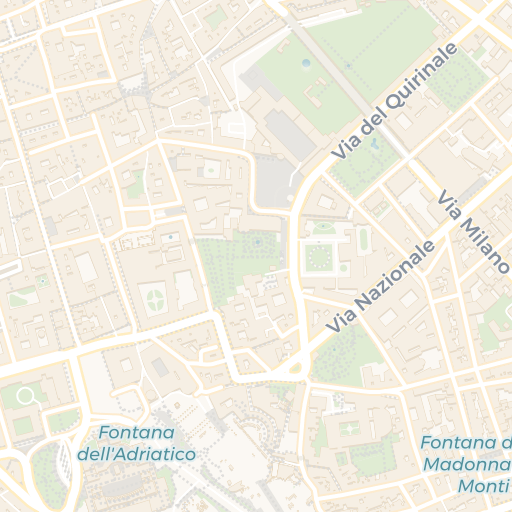
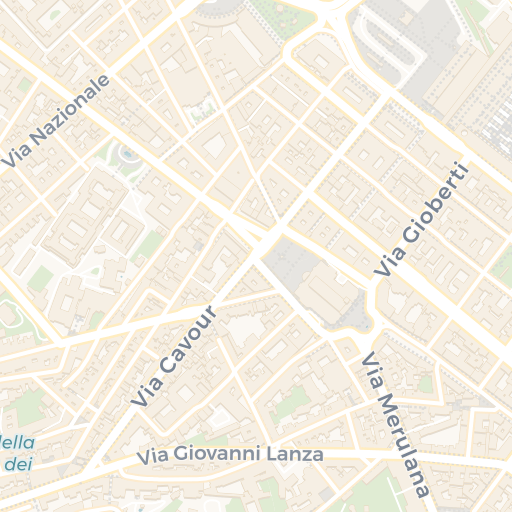
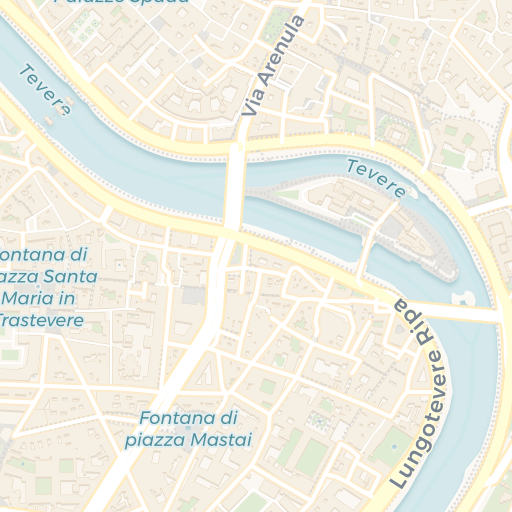
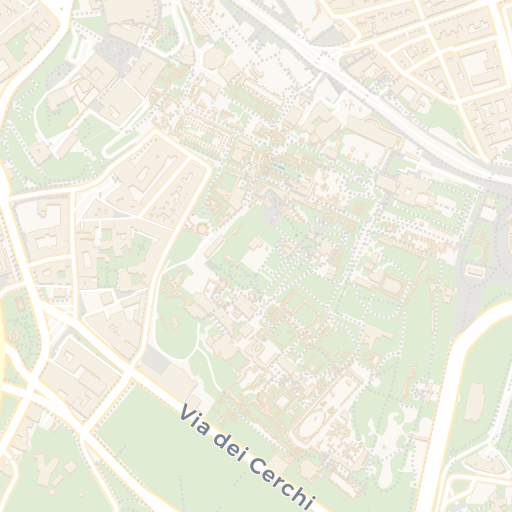
Get directions Open in Apple Maps
© OpenStreetMap contributors · © CARTO · 41.8941, 12.484
Plan your visit
It is free, and nobody publishes when it is open
Santa Maria in Aracoeli is an active church served by the Friars Minor. There is no ticket and nothing to book — but Turismo Roma publishes no opening hours for it at all, only mass times, so a closed door is always possible.
Mass times, and which room they are in
Monday to Saturday and the eve of feasts: 08.00.
Sundays and feast days: 08.30 and 12.00.
The detail that matters: from Monday to Saturday mass is celebrated in the Cappella della Madonna, not in the basilica. On Sundays and solemnities the 08.30 is in that chapel and the 12.00 is in the Basilica itself — so the Sunday noon mass is the only published time the main church is certainly in use.
Getting up there
- The 124-step staircase from the piazza below is the famous approach and a hard one.
- The Campidoglio side gives a gentler way up, shared with the approach to the Capitol.
Ticket & Pass Decision Matrix
| Option | Cost | What it gets you | Booking | Verdict |
|---|---|---|---|---|
| Walking in | Free | The nave, the ceiling, the pavement, Pinturicchio and Donatello | None | The whole visit. The only uncertainty is whether the door is open. |
| The 124 steps | Free | The historic approach and the view back over two domes | None | Worth doing once, in that direction, if the legs allow. |
| The Capitol-side approach | Free | The same church without the staircase | None | The sensible route for anyone who should not climb, and it is not a lesser visit. |
| Sunday 12.00 | Free | The basilica itself in use, rather than the side chapel | None | The one published time the main church is certainly open. |
What is no longer here
The Santo Bambino, the church's most venerated object, was stolen in 1994 and has never been found. Accounts that describe seeing it are describing something gone.
Verified against Turismo Roma, October 2026.
When to visit
Sunday at noon, if you want certainty. With no published opening hours, the 12.00 mass — the one celebrated in the Basilica itself rather than the Cappella della Madonna — is the most reliable published moment the main church is open.
Morning for the ceiling, any day. The interior is dark and the gilded coffered ceiling needs what daylight the nave windows give it.
Avoid arriving exhausted. The 124 steps are steep and unbroken; in high summer they are genuinely punishing, and the Capitol-side approach exists for a reason.
Winter suits it. The stair is bearable, the hill is quiet, and the basilica is one of the warmest-feeling interiors on the Capitol.
It is reliably quieter than its neighbours — the Vittoriano and the Capitoline Museums are a few metres away and take almost all the traffic.