

Palazzo del Tribunale, Finalborgo
Last updated on October 19, 2026Why visit Palazzo del Tribunale, Finalborgo
Because this facade is a stratigraphy: fifteenth-century painting with the marks of every later alteration left visible on top of it.
The draw is a building that governed a state. The Palazzo del Tribunale was the seat of the Del Carretto government and afterwards the judicial and administrative centre of the Marquisate of Finale. It has stood since at least the early fourteenth century, and in 1462 the marquis Giovanni I Del Carretto had it restructured by Giorgio Molinari, who changed inside and out with a new staircase and the opening of intermediated bifore.
The friction is that it is a frontage, not a visit. Nothing read for this page publishes a present use, an interior, an opening hour or a way in. Treat it as something to read from the street.
The smart way is to look up, then go and see what used to hang inside it. The facade is of great interest precisely because it carries both the typical fifteenth-century pictorial decorations and the traces of all the subsequent interventions. And the painting from its internal chapel — before which the Finale magistracies swore their oath — now hangs in San Biagio, a minute away.
Quick facts
- Type: Palace, Historic Place, Building
- Local name: Palazzo del Tribunale, Finalborgo (vedi la pagina italiana)
- Built: Existing at least from the early fourteenth century; restructured in 1462 for Giovanni I Del Carretto by Giorgio Molinari; interiors revisited in 1781
- Designed by: Giorgio Molinari (restructuring of 1462, new staircase and intermediated bifore)
- Architectural style: A medieval governmental palace with a facade carrying fifteenth-century pictorial decoration and intermediated bifore
Visit responsibly
Painted plaster on a street facade is the most exposed thing in this town. The fifteenth-century decorations are outdoors, unglazed and unprotected. Do not touch the surface, and keep back from it.
It is not known to be open, so do not try doors. Nothing read publishes a present use for the building. Assume it is in use by somebody and read it from the street.
The borgo is residential and narrow. Finalborgo is small, enclosed and lived in; stopping to look up in a narrow lane blocks it. Leave the car in the paid or disc-timed parks outside the gates or the free Municipio park.
Support the building that is open. The Museo Archeologico del Finale at Santa Caterina, €5, is what funds conservation work in this borgo; this palace has no ticket to sell you.
Where it is
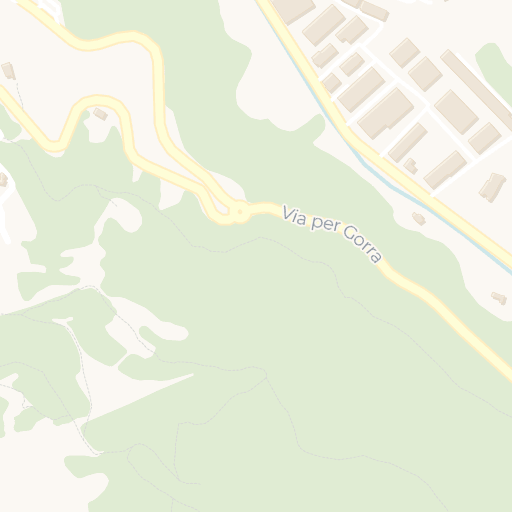
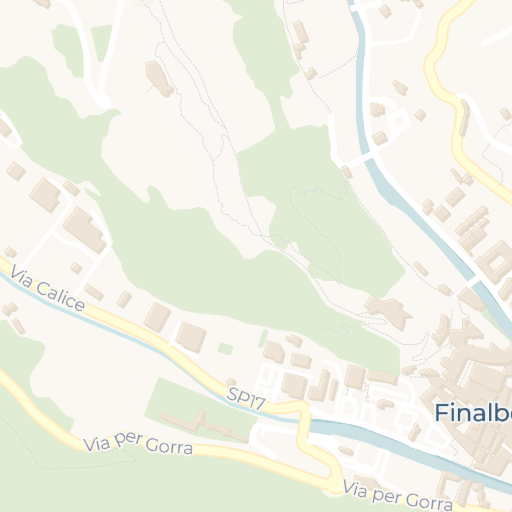
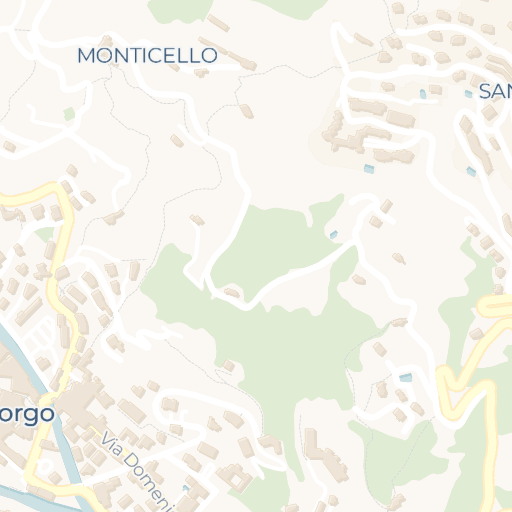
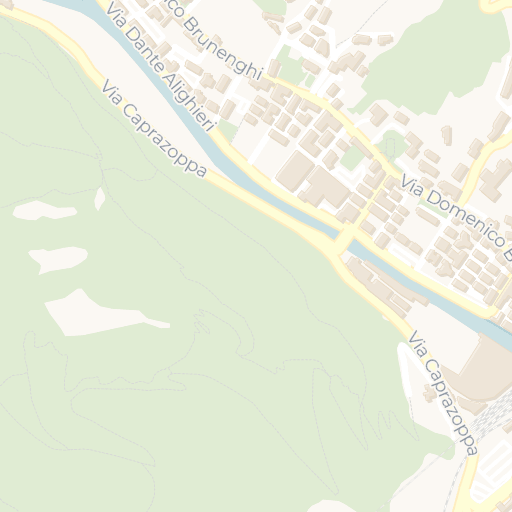
Get directions Open in Apple Maps
© OpenStreetMap contributors · © CARTO · 44.17657, 8.32674
Plan your visit
Nothing is published about visiting this building, and that is the whole answer. No present use, no interior, no opening hour, no admission and no contact for the Palazzo del Tribunale appears in anything read for this page. The Comune di Finale Ligure (Via Pertica 29, switchboard 019 689011) publishes none for any building in the comune.
The local operator does not run it either. The Museo Archeologico del Finale guides four sites under its MUDIF programme — Castel Gavone, the Arene Candide, the Varigotti promontory and the Teatro Aycardi — and this palace is not among them.
Treat it as a facade to read from the street. That is not a consolation prize: the fifteenth-century painting and the bifore of 1462 are on the outside, and the record's own reason for singling the building out is the facade.
Finding it. Inside the walls of Finalborgo, on flat ground, a few minutes from both San Biagio and Santa Caterina. TPL Linea buses 40 and 40/ stop at Finalborgo Centro; Finale Ligure Marina station is 1.6 km; car access inside the walls is limited, with paid and disc parking outside and a free Municipio car park.
Verified against Comune di Finale Ligure, October 2026.
When to visit
Daylight, and preferably low sun. The thing to see is painted decoration on a facade, and raking light is what brings worn pigment and tooled stone out of a wall.
Any month, since there is nothing to open. Unlike the museum across the borgo, this has no timetable to miss; it is as available in February as in July.
Avoid the two August events if you want to look at it properly. La Notte dei Tarocchi runs two evenings through these lanes and Viaggio nel Medioevo fills a week of the month; both put people between you and the wall.
Pair it with the indoor sites. It takes a few minutes, so see it on the way between San Biagio and Santa Caterina, which has published hours and closes on Mondays.